Feeding the Growing Athlete

It’s 3:35p.m., One kid needs to be at football by 4:45. Another is lacing up for a cross-country meet. Three more need to be at the gym in a leotard with their hair up 3 towns over, and all five have a science project due tomorrow. That’s a normal Tuesday at our house.

I’m a mom of five teens who also is a dietitian, and I still don’t have a perfect meal plan. What I do have is a plan that works most days, holds up on the messy ones, and keeps five growing bodies fed enough to learn, train, and recover.

The goal isn’t perfect nutrition. It’s a simple plan for real life.

What “Fueling the Growing Body” Really Means

Practice starts before your kid walks in the door. Food, fluids, and recovery are part of training, just like drills and conditioning. Teen athletes are asking their bodies to do three big jobs at once:

  1. Grow. The early teen years bring some of the fastest growth of their whole life: bones, muscles, brains, hormones, all of it.
  2. Learn. A full school day takes real energy. Focus, memory, and mood all run better on regular meals.
  3. Train. Practice, games, meets, and conditioning burn a lot on top of everything else.

When you add those up, most teen athletes need more food than parents expect, and they need it spread out across the day. This is not the season for cutting, skipping meals, “eating clean” to the extreme, or trying to change body size for a sport. A growing athlete who’s under-fueled doesn’t just feel tired. Their body starts making trade-offs, and growth and bone health are often the ones that pay.

So in our house, the question isn’t “Is this the healthiest possible food?” It’s “Did they eat enough, often enough, to do everything we’re asking of them today?”

The Busy-Week Map

Here’s how a typical school-and-practice day breaks down for us. Every family’s schedule is different, so borrow the parts that fit.

Before School: Breakfast Counts

Breakfast is the first fuel stop of a long day. It doesn’t need to be fancy. It needs to happen.

Quick ideas that work in our kitchen:

  • Eggs + a bagel + avocado or peanut butter (or a seed butter)
  • Overnight oats with Greek yogurt and a fruit and nuts of their choice
  • Peanut butter (or seed butter) and banana on toast
  • A smoothie with yogurt, fruit, and oats, plus a handful of nuts on the way out

If your teen “isn’t hungry” in the morning, start small. A glass of milk and a banana is better than nothing, and appetite often grows once breakfast becomes a habit.

Packing the Day: Lunch and the Backpack Snack

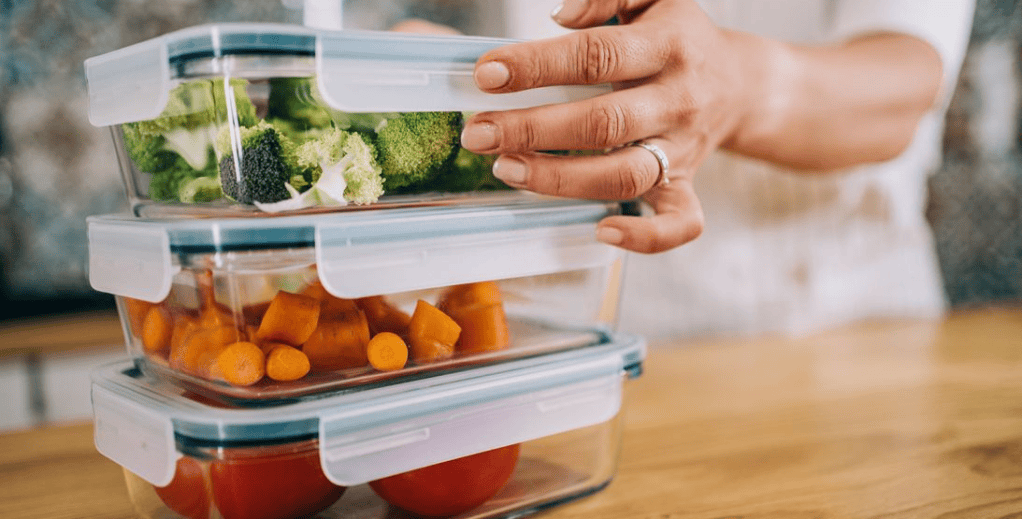
Lunch is what powers the afternoon and the start of practice. A lunch that’s just crackers won’t cover it. We aim for carbs + protein + a healthy fat (more on that formula below).

Then there’s what I call the backpack snack, the one they eat between classes when lunch didn’t last. This snack does a lot of heavy lifting, especially when lunch was at 10:45 and dinner is still hours away. Pack it the night before. Future you will be grateful.

After School, Before Practice

This is where a lot of teen athletes come up short. Lunch was hours ago, and they head straight into training running on fumes.

The general rhythm:

  • A fuller meal a few hours before practice (that’s usually lunch).
  • A smaller, easy-to-digest snack closer to practice, mostly carbohydrate with a little protein. Think fruit + a cheese stick, pretzels + a yogurt, half a sandwich, or a granola bar + milk.

Closer to practice, keep high-fat, high-fiber, and very heavy foods lighter. They digest slower and can leave some kids feeling sluggish or crampy, especially runners and gymnasts who are moving, flipping, or bouncing.

Dinner (In the car or at 8 p.m.)

Late dinners are real life in sports families. It’s okay. Dinner is still a full meal: carbs, protein, healthy fat, and some color from fruits or vegetables. If dinner is very late, the after-practice recovery snack becomes even more important so nobody hits the table starving and wiped out.

And then: homework, shower, sleep. Sleep is when a lot of growing and recovering happens. Protect it like you’d protect practice time.

The Next Morning

Recovery doesn’t end at bedtime. Breakfast the next morning restarts the cycle, especially after a hard practice, an evening game, or a long meet day.

The Build-a-Meal Formula

When I’m tired and the fridge is half-empty, I fall back on one simple formula:

Carbs (grains and fruit) + protein + a healthy fat

  • Carbs are the main fuel for training and for the brain. Think bread, rice, pasta, tortillas, oats, potatoes, crackers, and fruit.
  • Protein helps build and repair muscle and supports growth. Think meat, chicken, fish, eggs, dairy, beans, and tofu.
  • Healthy fats help with fullness, growth, and overall health. Think avocado, nut or seed butters, nuts, seeds, olive oil, and cheese.

Add a fruit or vegetable when you can. 

Meal Ideas That Work Across Sports

These are on regular rotation at our house. Most travel well, and many can be made ahead.

  • Meat and cheese sandwich + an apple with peanut butter or seed butter
  • Chicken and rice with sliced avocado
  • Protein pasta with your favorite sauce
  • Eggs + bagel + avocado or peanut butter (or seed butter)
  • Tortellini with red sauce and spinach
  • Turkey and cheese wrap + fruit
  • Hawaiian pita: ham, pineapple, and cheese tucked into a pita
  • Taco bowl: rice, seasoned meat or beans, cheese, salsa, and avocado
  • Mediterranean bowl: rice or quinoa, chicken, cucumber, tomato, hummus, and feta
  • PB&B: peanut butter (or seed butter) and banana on bread or a tortilla
  • Tuna salad with crackers or on a sandwich
  • Overnight oats with fruit and a spoonful of nut or seed butter
  • Mini pizzas on sandwich thins
  • Meat and cheese snack box with crackers, fruit, and cheese curds

Nut allergy at home or at school? Almond butter, seed butter, or organic soy-based spreads swap in nicely almost anywhere you see peanut butter. Always check your school’s or team’s allergy rules, and read labels for cross-contact.

Hydration: Top Priority

If you only change one thing this week, make it water. Even mild dehydration can make practice feel harder and leave kids feeling tired, headachy, or off. And teens are notorious for forgetting to drink until they’re already thirsty.
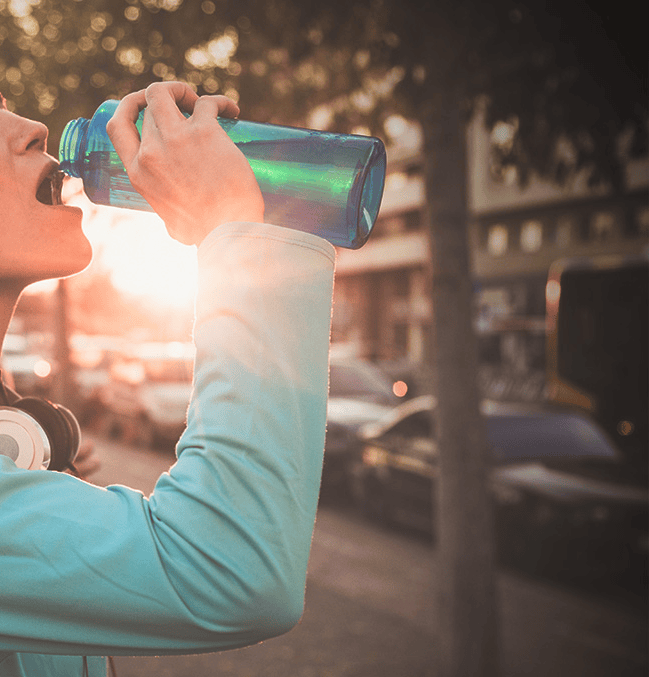
What works for us:

  • Send a full water bottle to school every day, and refill it before practice.
  • Drink through the day, not just at practice. Chugging a bottle in the car rarely makes up for a dry school day.
  • For longer or harder sessions (think long runs, hot football practices, two-a-days, all-day meets or tournaments), fluids with electrolytes and some carbohydrate, like a sports drink, can help replace sweat losses and support energy. For a regular practice of about an hour, water is usually enough.
  • Pay attention to heat. Hot days, heavy pads, and indoor gyms without air conditioning all raise fluid needs.

A Note on Caffeine

Energy drinks, pre-workouts, and coffee drinks are everywhere, and teens see older athletes using them. Caffeine isn’t recommended for kids and teens. It can disrupt sleep, which growing athletes badly need for recovery, and it can leave some kids jittery, anxious, or with a racing heart. Energy drinks – even Bubbler – are a firm no in our house. A good snack, enough water, and a decent night’s sleep do far more for a teen athlete.

Between Sessions, Drills, or Events

Hydration is the priority here. For long sessions, two-a-days, tournaments, or meets, a small, easy carb snack during breaks can help support energy.

On long days with breaks, such as meets, tournaments, or races with multiple events, easy options include:

  • Applesauce or yogurt pouches
  • A smoothie
  • Fruit, pretzels, or crackers
  • Trail mix

A sport-specific tip on trail mix: it’s great between sessions, but it’s heavier on fat and fiber, so it’s not ideal right before or in the middle of training. For gymnastics, save it for longer breaks rather than between rotations. For football, it works better at halftime of a long day or after practice than mid-drill. For cross-country, save it for after the race; before a run, stick to simpler carbs like a banana or pretzels.

Recovery: Refill the Tank

The car ride home is prime refueling time. A snack with carbs + protein within about 30 to 60 minutes after practice helps muscles recover and refills the tank, especially when dinner is still a ways off. We keep recovery snacks in the car for exactly this reason.

The simple rule: Carbs + protein within about 30 to 60 minutes.

After harder or longer sessions, some families like aiming for roughly twice as many carbs as protein. That ratio is optional. Getting a solid mix of carbs and protein in, and soon, is what matters most.

Our Favorite Recovery Picks

  • Cottage cheese + crackers + peaches
  • Snackle box: nuts or seeds, pretzels, cheese, and dried fruit in a tackle-box-style container
  • Yogurt parfait with granola and berries
  • Trail mix (with seeds instead of nuts if needed)
  • Bagel with peanut butter or seed butter + a hard-boiled egg
  • Chocolate milk + peanut butter toast (or seed butter toast)
  • Eggs in a frame: an egg cooked in the middle of a slice of toast
  • Half a turkey sandwich + a piece of fruit
  • Leftover pasta or rice bowl from last night’s dinner

Chocolate milk deserves a special shout-out. It’s cheap, kid-approved, travels in a lunch box with an ice pack, and brings both carbs and protein plus fluid.

When to Worry: Signs a Teen Athlete May Be Under-Fueling
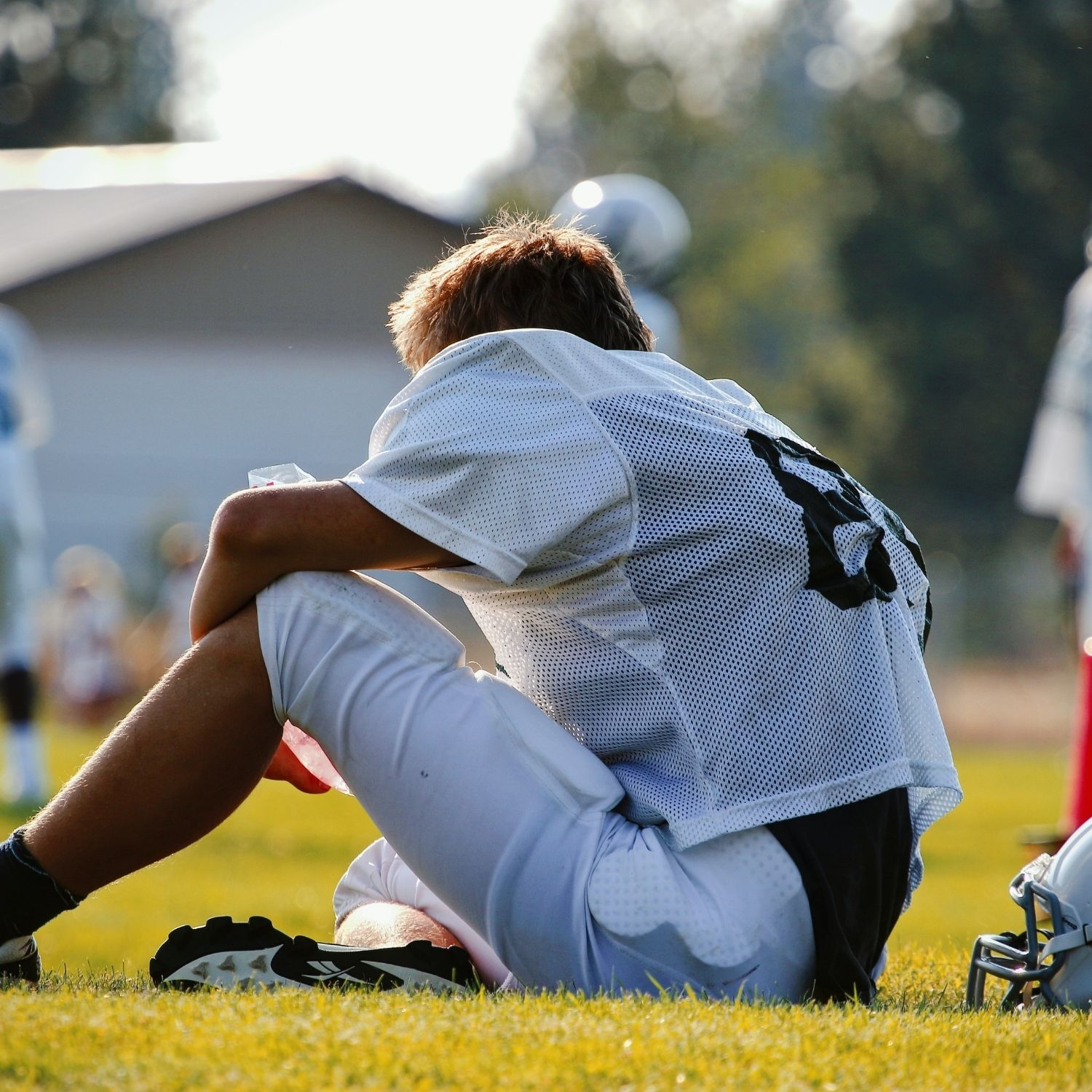
This section is for parents and the clinicians who care for your child, like your pediatrician or a registered dietitian. It is not a checklist for coaches to screen athletes. If you notice something, the next step is a conversation with your child’s doctor or dietitian.

One symptom on its own doesn’t mean something is wrong. Teens get tired, moody, and hungry for all kinds of reasons. But several of these together, or signs that keep showing up, deserve attention:

  • Low energy that doesn’t bounce back with rest
  • Performance stalling or getting worse despite hard training
  • Frequent injuries, especially stress fractures or injuries that are slow to heal
  • Getting sick often
  • Mood changes: more irritable, anxious, down, or withdrawn
  • Trouble focusing at school
  • Growth slowing, or weight dropping or stalling during a time they should be growing
  • Feeling cold all the time, dizziness, or lightheadedness
  • Skipping meals, eating much less than teammates, or avoiding whole food groups
  • Strong worry about food, body size, or “earning” food through exercise
  • Changes in periods: periods that stop, become irregular, or haven’t started when expected
  • Labs that keep coming back low (like iron) at checkups

What’s Going On When Athletes Under-Fuel

When an athlete consistently doesn’t eat enough to cover training plus growth plus everyday life, the body starts cutting back to save energy. Doctors call this relative energy deficiency in sport, often shortened to RED-S. In plain words: there isn’t enough fuel for the amount of training.

You may also have heard of the female athlete triad. That describes three connected issues in girls and women: not enough fuel, changes in periods, and weaker bones.

But this isn’t just a “girl thing.” Boys and teen athletes of every gender can under-fuel too. It can show up as low energy, mood changes, slowed growth, hormone changes, and more injuries. My son’s football schedule and my daughter’s cross-country miles can drain a body just as fast as my gymnasts’ practices.

Many cases aren’t on purpose. A busy schedule, a small appetite, a long gap between lunch and practice, or a big growth spurt can all leave a kid short without anyone noticing. Sometimes, though, under-fueling is tied to disordered eating or an eating disorder.

Early care matters. Getting help sooner lowers the chance of lasting effects on growth, bones, and health. If you’re worried, call your pediatrician and ask about seeing a registered dietitian who works with young athletes.

If you suspect an eating disorder, please don’t try to handle it with a meal plan. This post isn’t medical advice or treatment for eating disorders. Reach out to your child’s doctor right away. If there are signs of immediate danger, such as fainting, chest pain, or thoughts of self-harm, seek urgent care or call or text 988.

A Simple Plan Beats a Perfect One

Most weeks at our house are not Pinterest-worthy. There are drive-thru nights, cereal-for-dinner nights, and nights when somebody eats a granola bar in the car while finishing a worksheet. That’s okay.

What keeps us steady is a handful of simple habits:

  • Eat breakfast, even a small one.
  • Pack the backpack snack the night before.
  • Carry a water bottle everywhere.
  • Fuel before practice: carbs + a little protein.
  • Refuel after practice: carbs + protein within an hour.
  • Protect sleep.
  • Watch the big picture, and loop in your pediatrician or dietitian if something feels off.

Our kids are growing, learning, and training all at the same time. When we fuel them for all three, they don’t just perform better. They have what they need to grow, recover, and enjoy the sports they love.

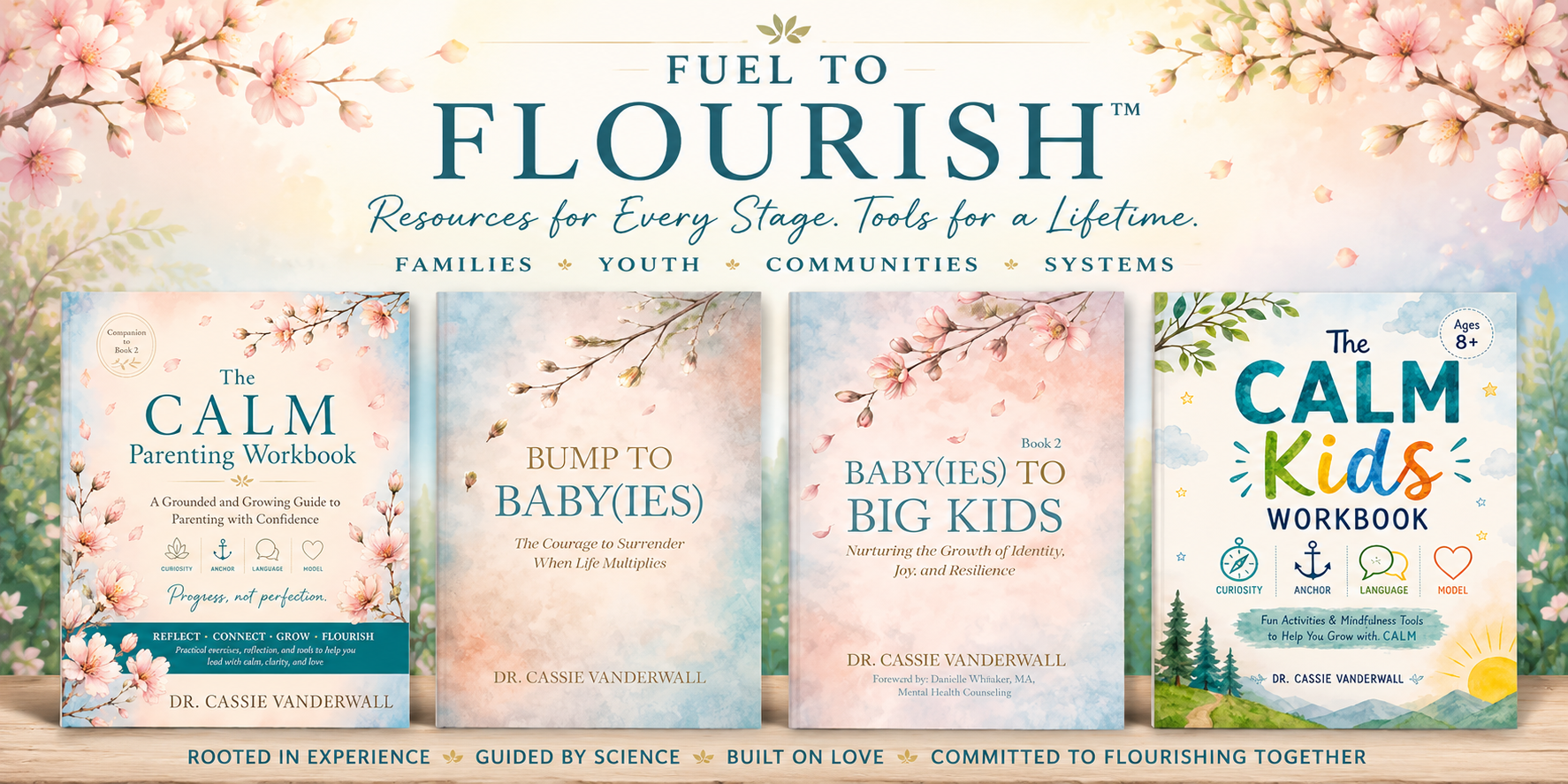
That’s what Fuel to Flourish™ is all about.

This post is for general education and isn’t a substitute for individual medical or nutrition care. Every athlete is different. Talk with your child’s pediatrician or a registered dietitian about your family’s specific needs, allergies, or health concerns.

The Gift of Written Word

There’s something powerful about taking a story that lives in your heart and finally putting it into words.

I’m incredibly grateful to Motivational MD Publishing for helping me transform one story into a growing collection of books and, ultimately, a bigger vision for Fuel to Flourish™.

Sometimes writing a book doesn’t just tell your story. It helps you discover what you’re meant to do with it!

Get Your Copy(ies)

Check out Motivational MD Publishing

Looking Back after 13 Years

Every July I open the virtual photo albums and reminisce over the last 365 days. I smile, I cry, I chuckle, I think about the “what if’s” and let those worries go, and count my blessings: 1, 2, 3, 4, and 5. I compile photos that articulate where each member of the V5 started the previous year and who they became. I add photos I know that they’ll cherish and sprinkle in a few that I know will make them cringe but smile inside. Then, I listen to countless songs trying to find the right one that I know they’d listen to and think, “yep that was me at 13.” My favorite part of building these collages is watching them one-on-one with each of them. We always catch little mistakes the first time through and they beg for me to take a photo out but they typically stay. Each one ends with a side hug and kiss on their head.

Join me as we look at Theo, Bella, Lily, Kali and Ellie over the last year!

Happy 13th Theo!

Happy 13th Bella!

Happy 13th Lily!

Happy 13th Kali!

Happy 13th Ellie!

Ellie’s audio: How to save a life: https://youtu.be/cjVQ36NhbMk?is=RGcdU_DVxLikDQpT

From Baby(ies) to Big Kids: Thirteen Years of Becoming

This week, the V5 turn thirteen. Thirteen. I sat with that sentence for a minute because for so long, our story was defined by the beginning. The shock of discovering there weren’t one, two, or even three babies growing inside me but five.

The appointments. The preparation. The uncertainty. The NICU. Then, the bottles and diapers and feeding schedules. Five car seats. Five cribs. Five tiny people who somehow needed us all at once.

When I wrote Bump to Baby(ies), I told the story of how our family began. It was a story about pregnancy, surrender, survival, and discovering courage when life multiplied in ways we never could have imagined.

That first season passed quickly. The days were long but the years short. They became toddlers with opinions. Preschoolers with personalities. Elementary schoolers discovering friendships, sports, strengths, and struggles. And now, somehow, they are teenagers.

The Story After Survival

People have asked us versions of the same question since the kids were born: How do you do it with five?

When they were babies, the answers were practical. Schedules. Systems. Preparation. Teamwork. And probably more coffee than medically advisable.

But as they grew, the question became much more complicated. How do we raise five children at the exact same age while honoring that they are five completely different people?

How do we create structure without controlling them?

How do we help them become resilient without protecting them from every struggle?

How do we teach responsibility while making home a place where mistakes are safe?

How do we stay connected as schedules, sports, school, friends, emotions, and independence begin pulling everyone in different directions?

And maybe the biggest question of all: How do we raise children who know they are deeply loved while preparing them to eventually walk into the world without us?

I definitely don’t have all the answers. Thirteen years into this parenting, social experiment, I’m more convinced of that than ever.

What I do have are lessons. Lots and lots of lessons. Some learned beautifully. Others learned the hard way.

One of the surprises of parenting has been realizing that children aren’t the only ones growing. The parents we were when five babies came home are not the parents we are today.

We’ve learned that connection matters more than control. That repair matters more than getting every interaction right. That our children can share the same home, the same parents, and even the same birthday and still need completely different things from us.

We’ve learned to laugh. We’ve learned to apologize. We’ve learned to have hard conversations. We’ve learned that sometimes the best parenting happens around the dinner table, driving to practice, or during a completely ordinary Tuesday night.

And we’ve learned that resilient families aren’t families without struggle. They’re families who learn how to move through struggle together. That became the heart of Baby(ies) to Big Kids.

A Book About Becoming

Baby(ies) to Big Kids isn’t a story about how we figured out parenting. Quite the opposite. It’s about what we’ve learned while figuring it out.

The CALM parenting framework is about raising resilient kids while continuing to become resilient adults. It’s about communication rooted in curiosity, anchoring values, connection through words and actions, responsibility, emotional awareness, and creating a family culture intentionally even when real life is loud and messy.

And because reading about these ideas only takes us so far, the story grew again. I created companion workbooks for parents and youth so families could move from reading about resilience and connection to actually practicing them together. What began as a story had become a set of resources. 

We Were Never Meant to Do This Alone

There’s another lesson woven throughout these thirteen years that deserves its own chapter: Family resilience doesn’t happen in isolation.

Our children have been shaped by grandparents, teachers, coaches, healthcare professionals, neighbors, friends, and people who have simply shown up again and again. So have I.

We have been privileged to grow up alongside two of our people, Alex and Danielle. Frank and Alex became best friends in high school, two kids from neighboring towns bonded by Seinfeld, classic rock, and countless hours writing and playing music in Alex’s basement before rocking talent shows and benefit concerts together. Their friendship followed them to college, where they joined the same fraternity and eventually served as president and vice president, and where Alex met Danielle, who quickly became part of our story,  too. Over the years, the four of us have celebrated, struggled, built careers, raised families, laughed, challenged one another, and become family. We are iron that sharpens iron, but perhaps our greatest lesson has been that even strong people need a village.

Danielle has been part of ours through so many chapters, which makes it especially meaningful that she wrote the foreword to Baby(ies) to Big Kids. There is something incredibly special about having someone who has witnessed the messy middle of your story help introduce it to the world.

And Now There Are Five Teenagers

On the weekend of their thirteenth birthday, I find myself looking backward and forward at the same time. I can still see those five tiny babies. But I also see five young people becoming increasingly themselves. And I know the next chapter will bring questions I haven’t even thought to ask yet.

But this week? I’m going to celebrate five thirteen-year-olds. I’m going to marvel at the fact that somehow we made it from five NICU isolettes to five teenagers. And I’m going to remind myself that we still haven’t arrived. Thank goodness.

Happy 13th birthday, Theo, Bella, Lily, Kali, and Ellie!

What an extraordinary adventure it is to grow alongside you.

What 90 seconds Can Teach Us About Life

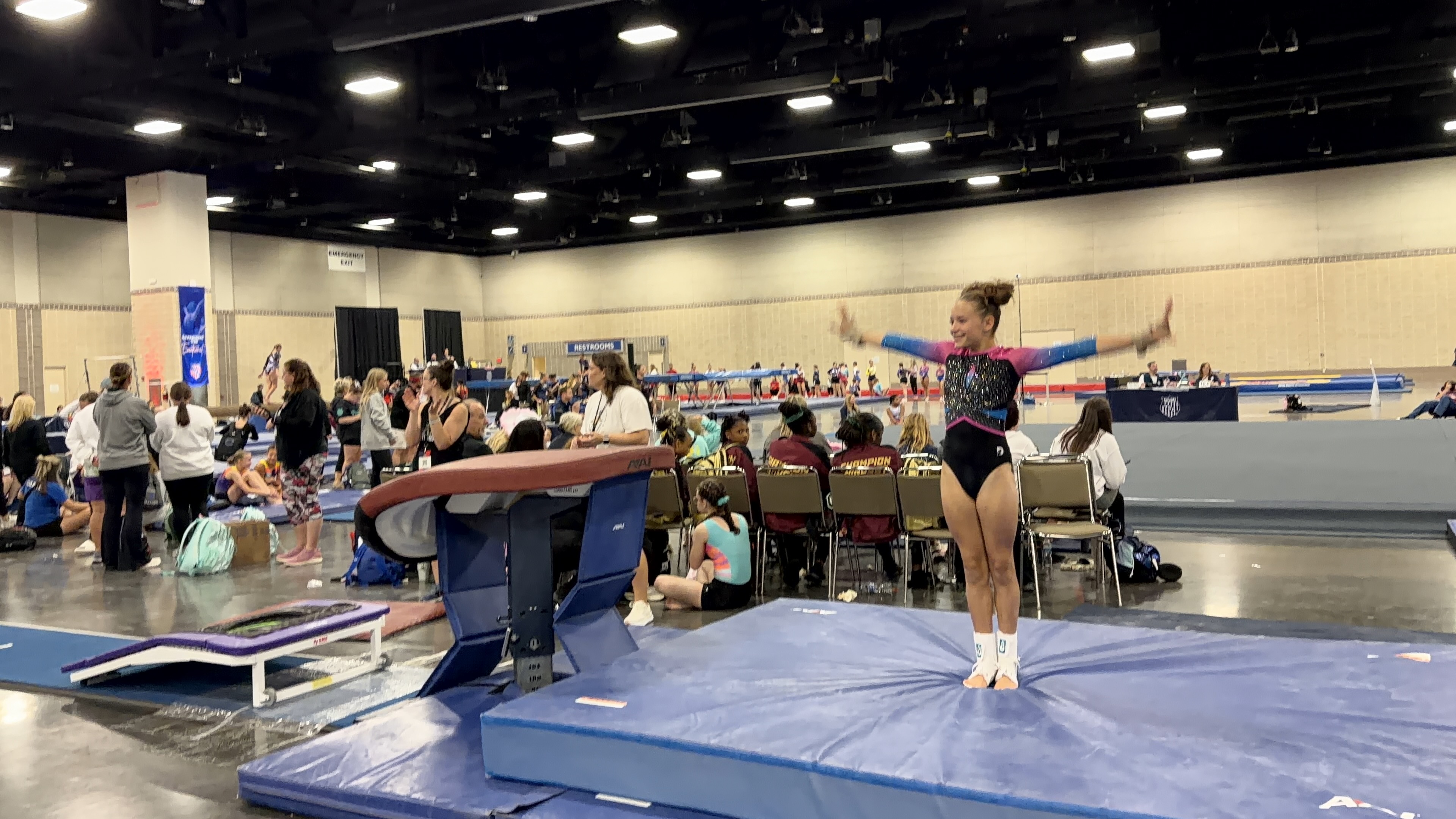
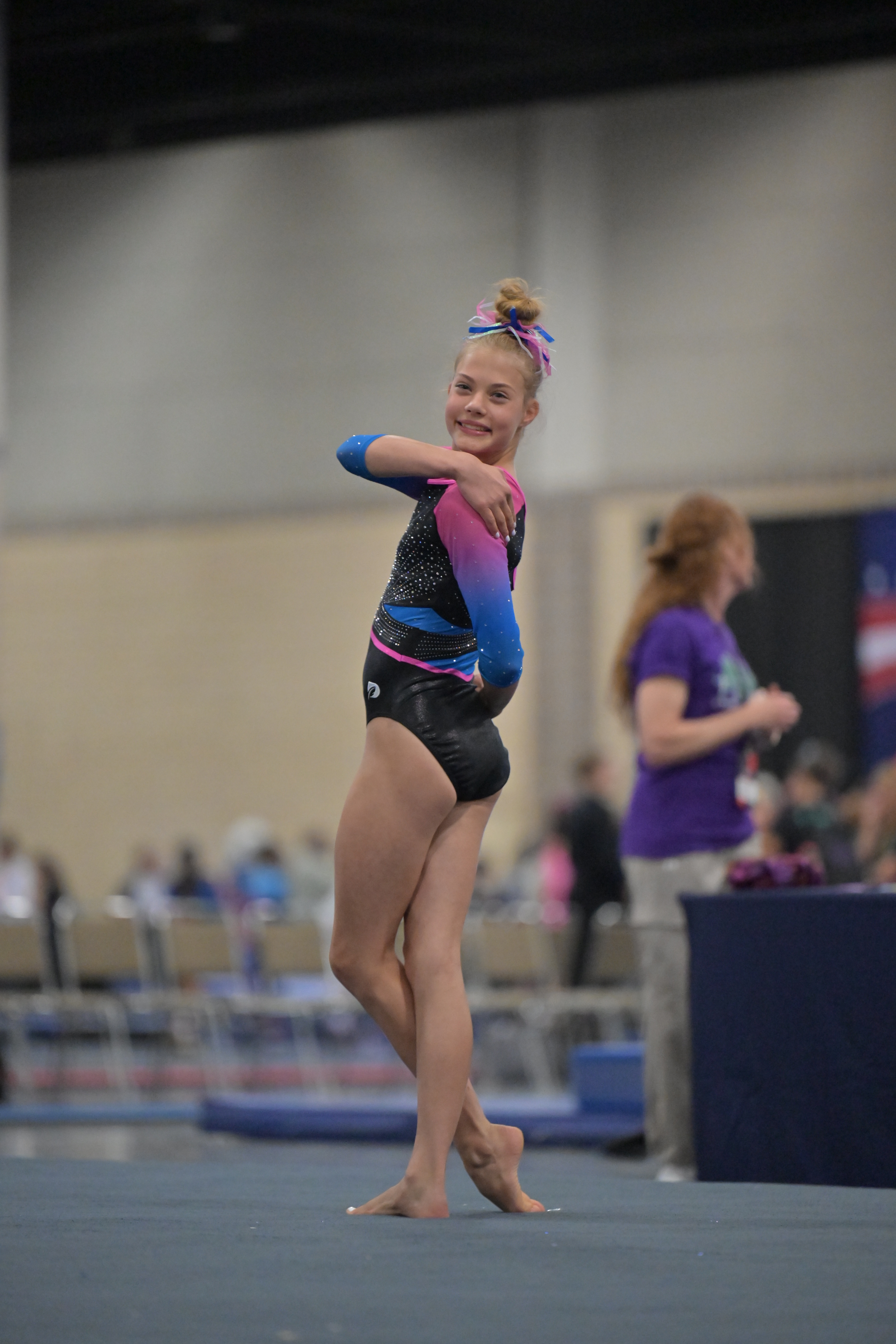
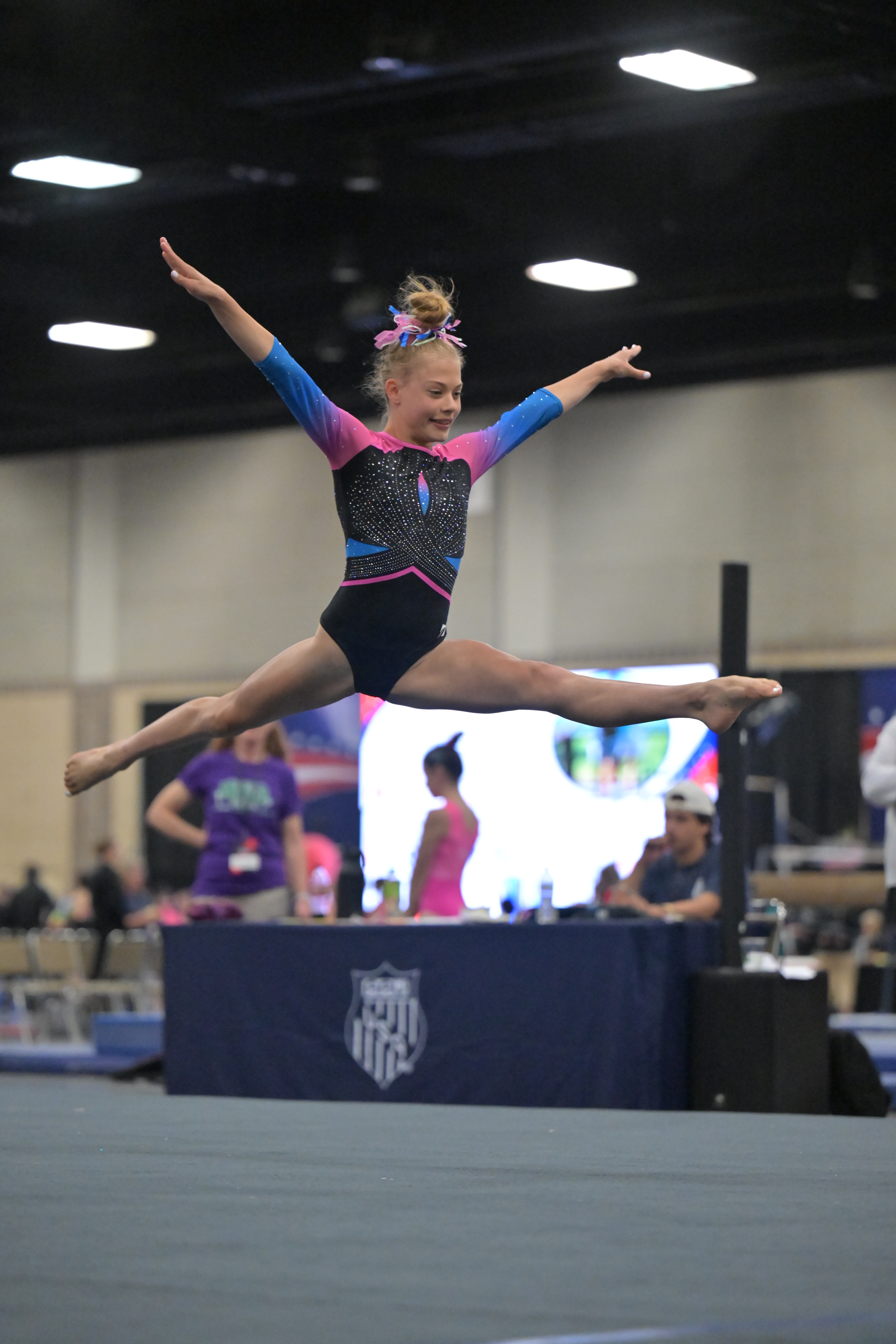
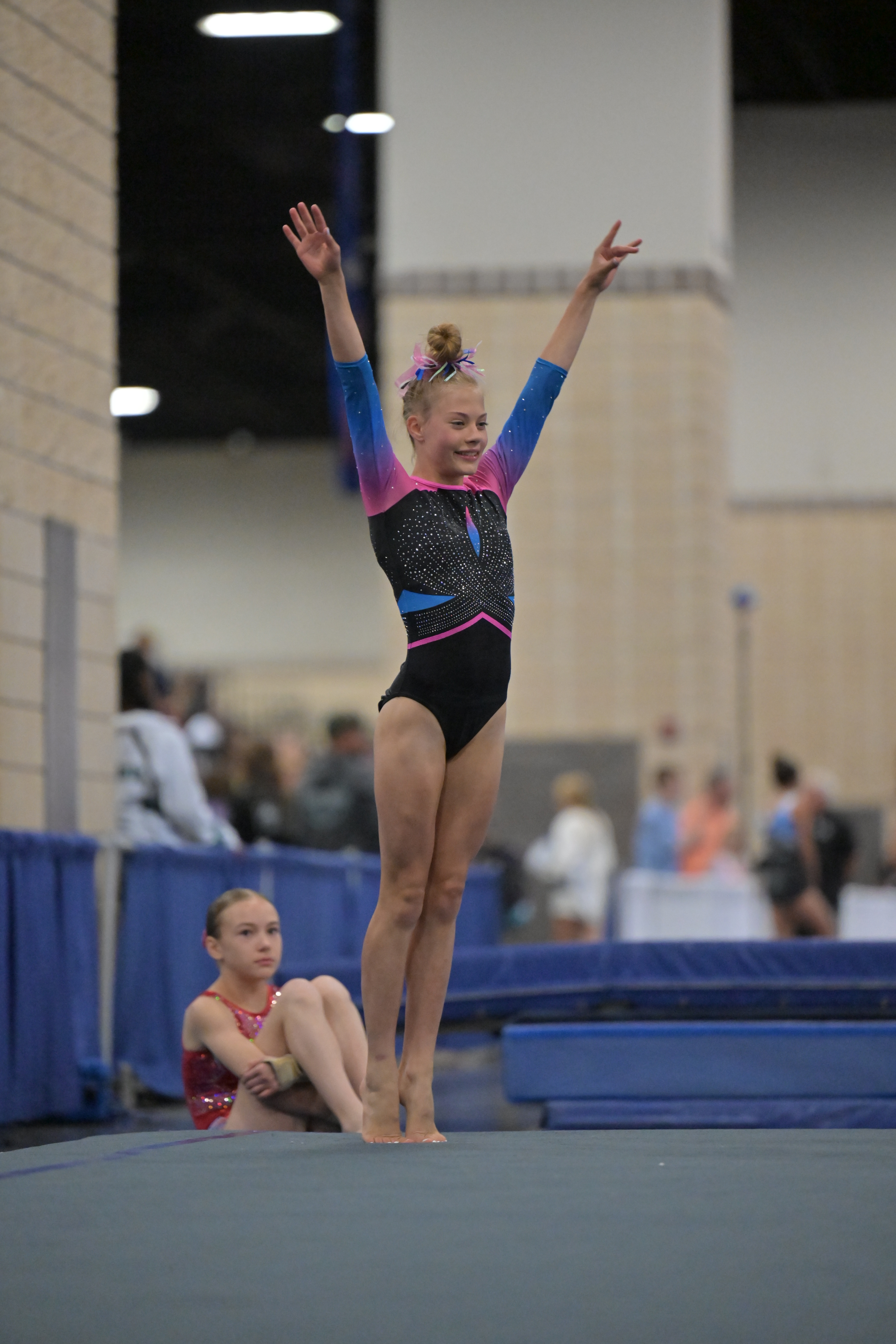
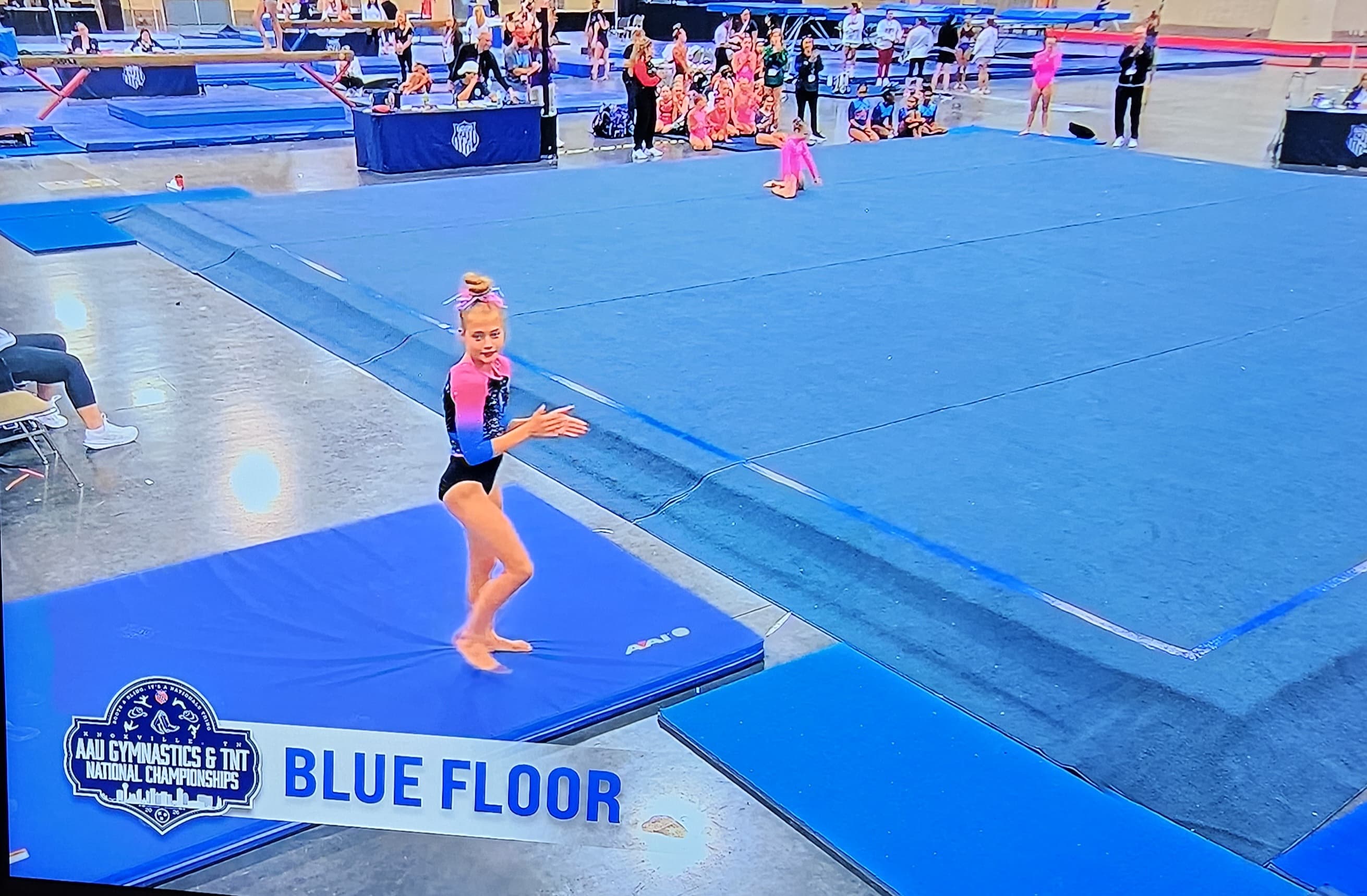
This week I sat in a convention center in Knoxville, Tennessee surrounded by hundreds of gymnasts from across the country.

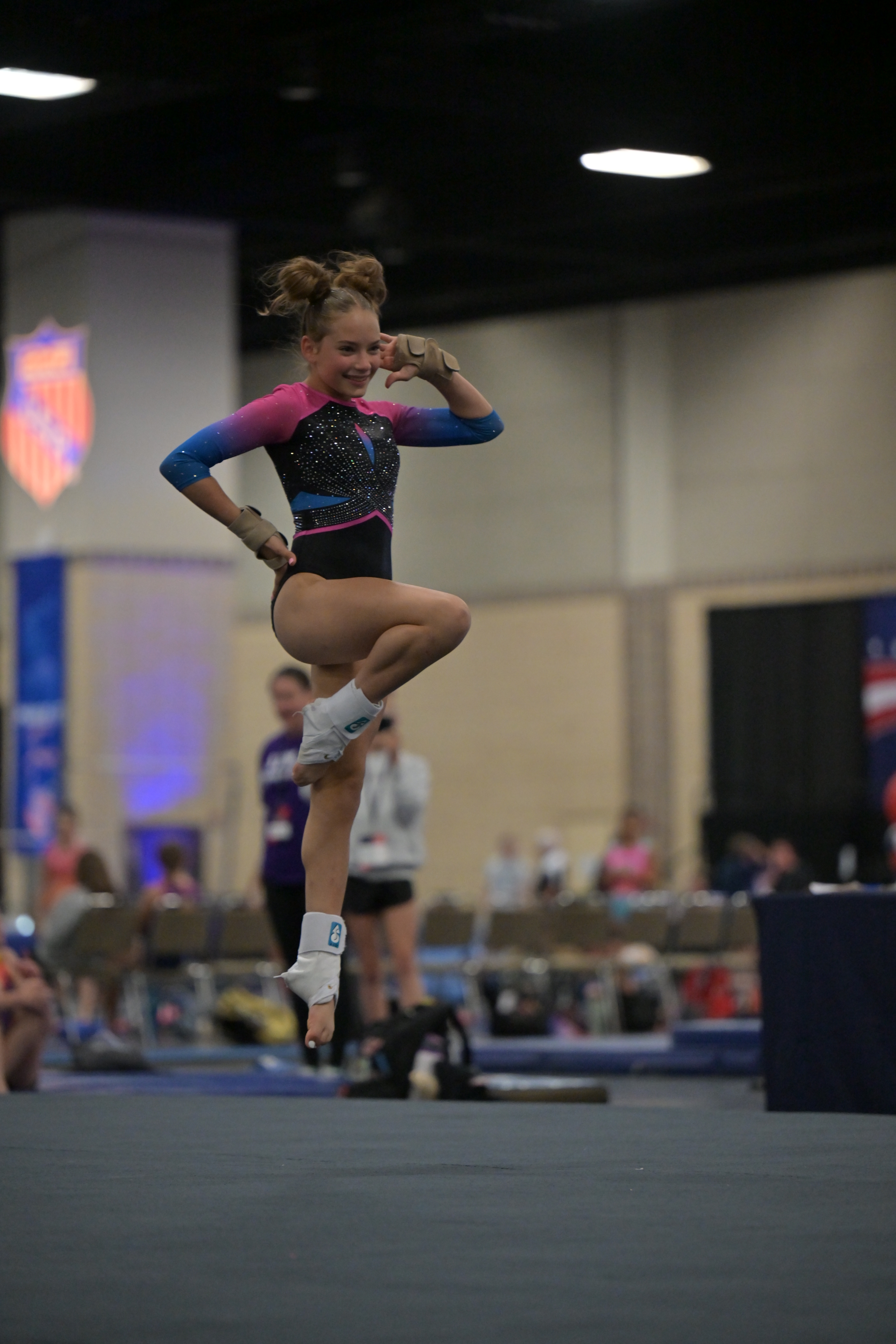
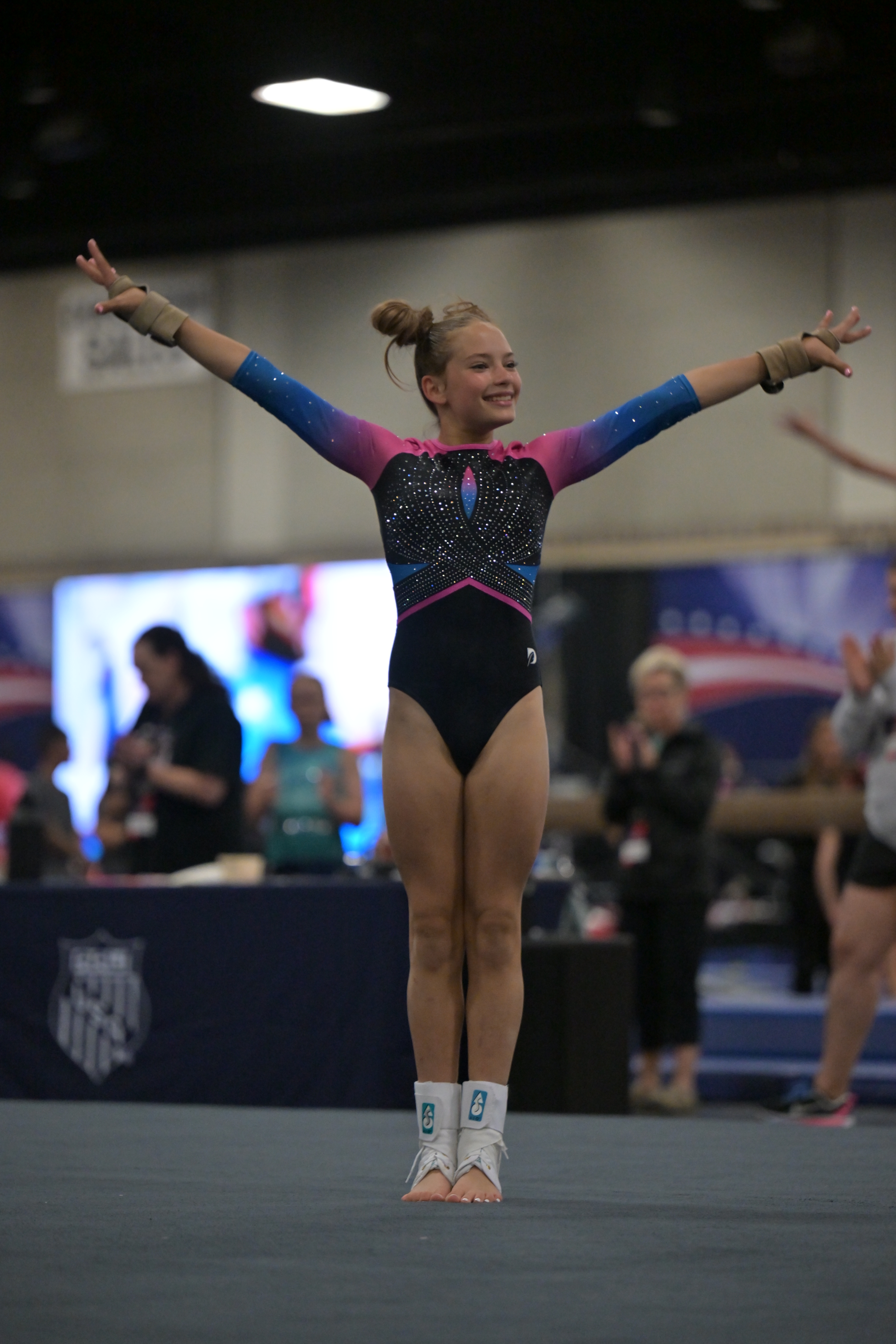
One by one they saluted the judges. Ninety seconds. Years of practice. Thousands of repetitions. Countless falls. Blisters. Tears. Mental blocks. Comebacks. Victories. Disappointments.

All distilled into a routine shorter than most commercial breaks.

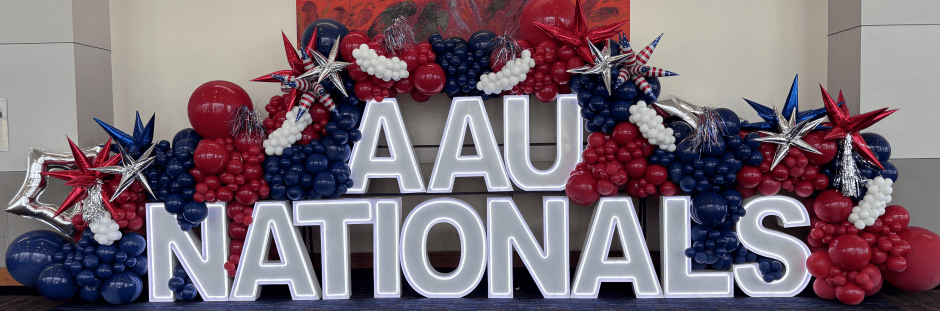
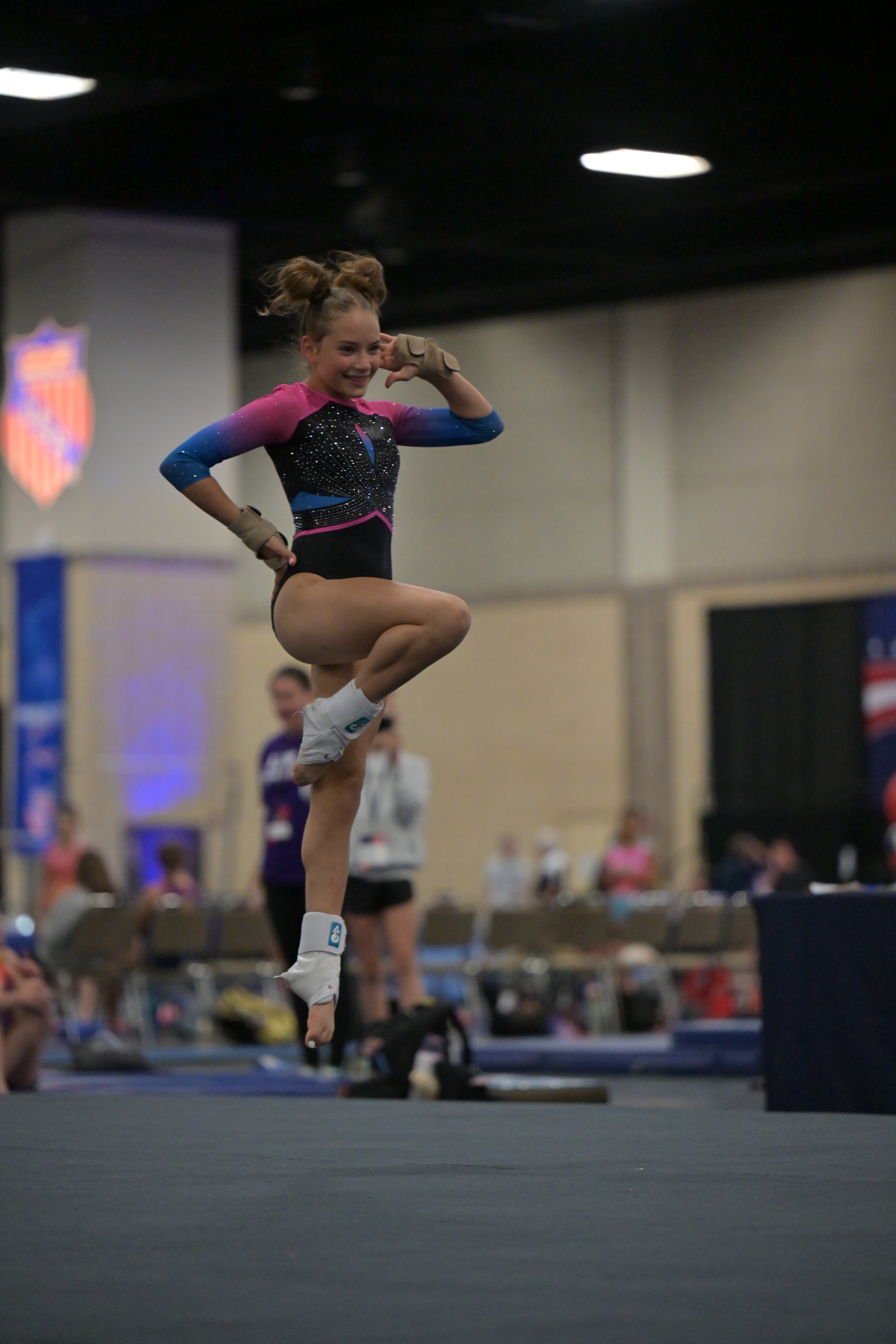
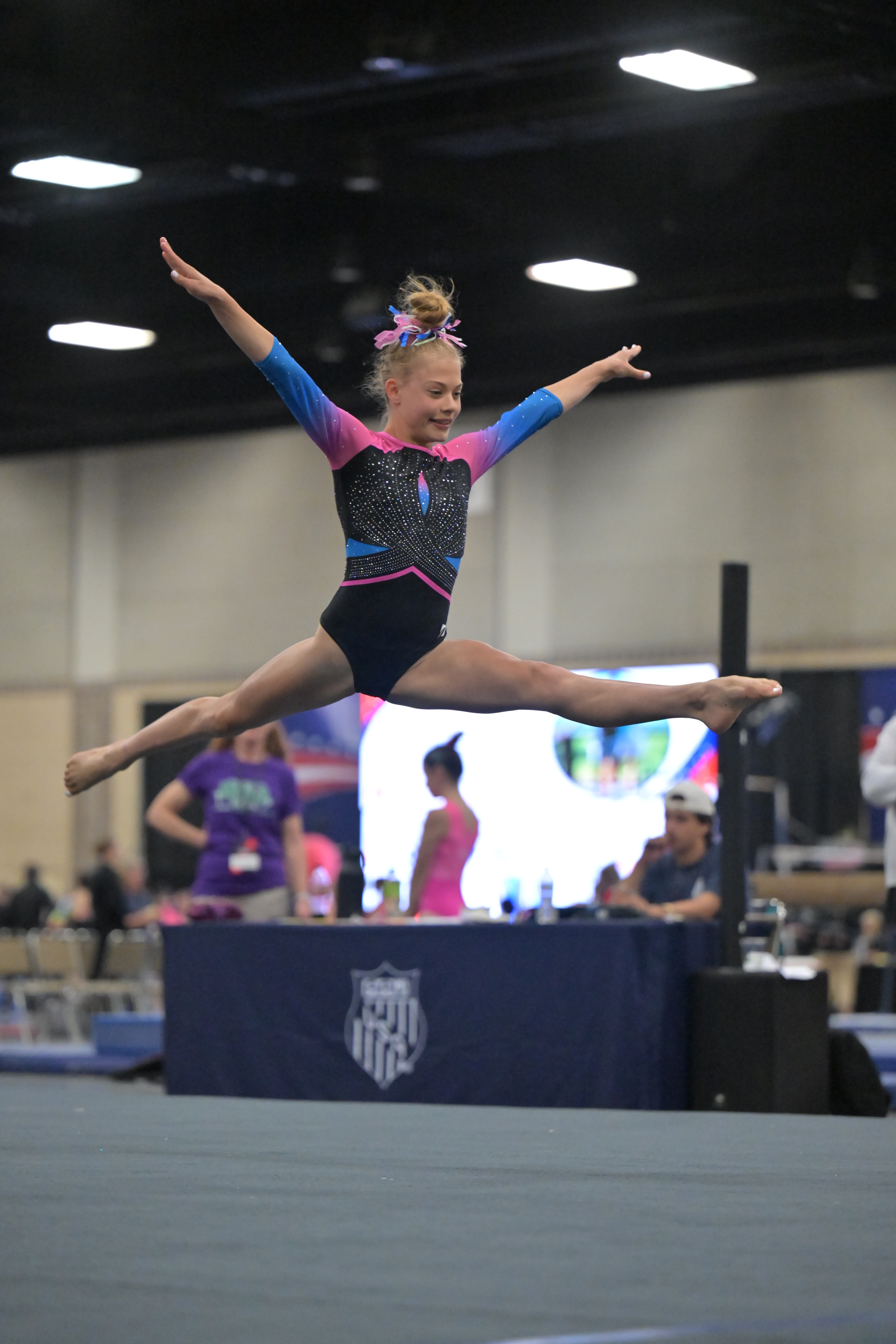
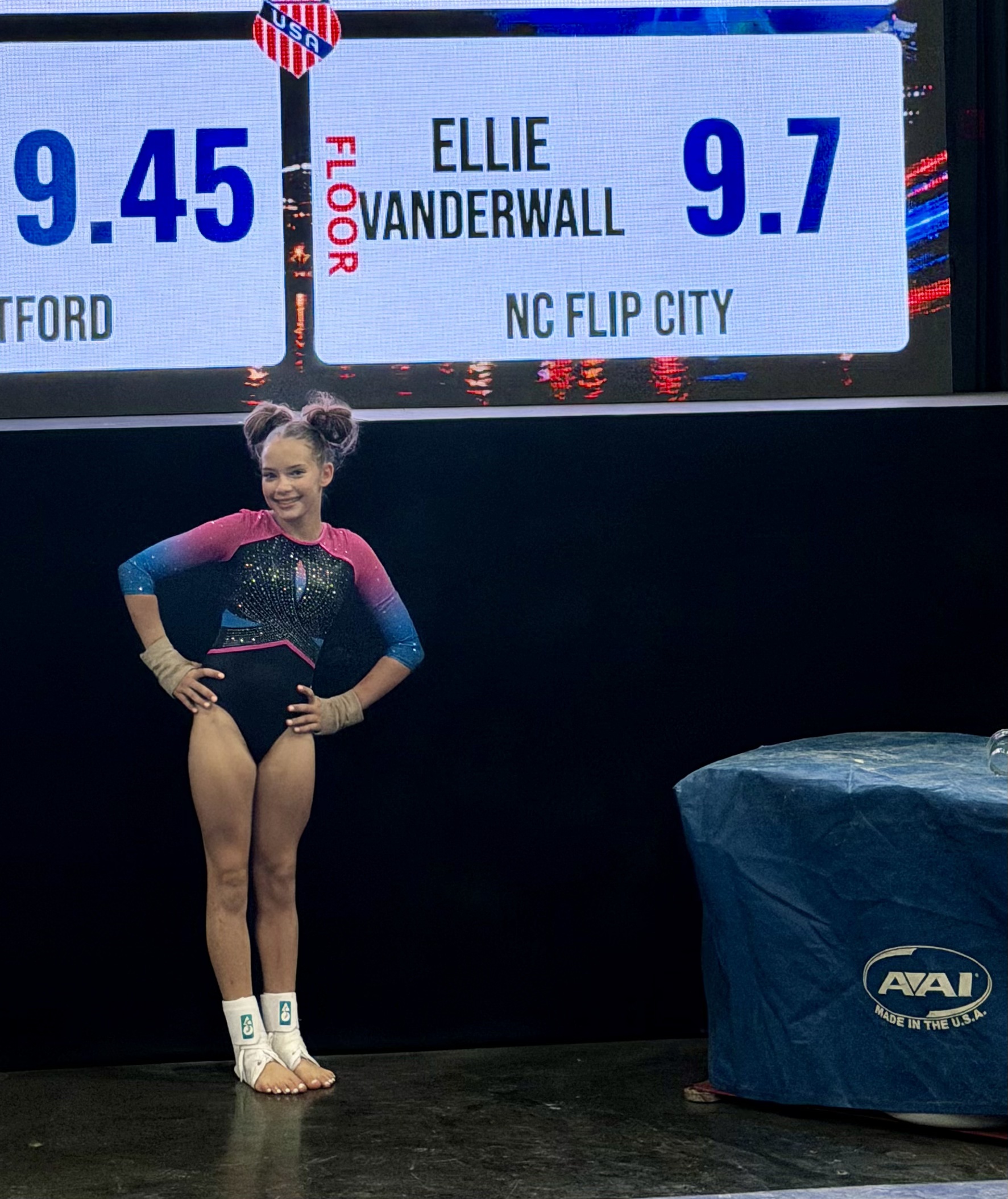
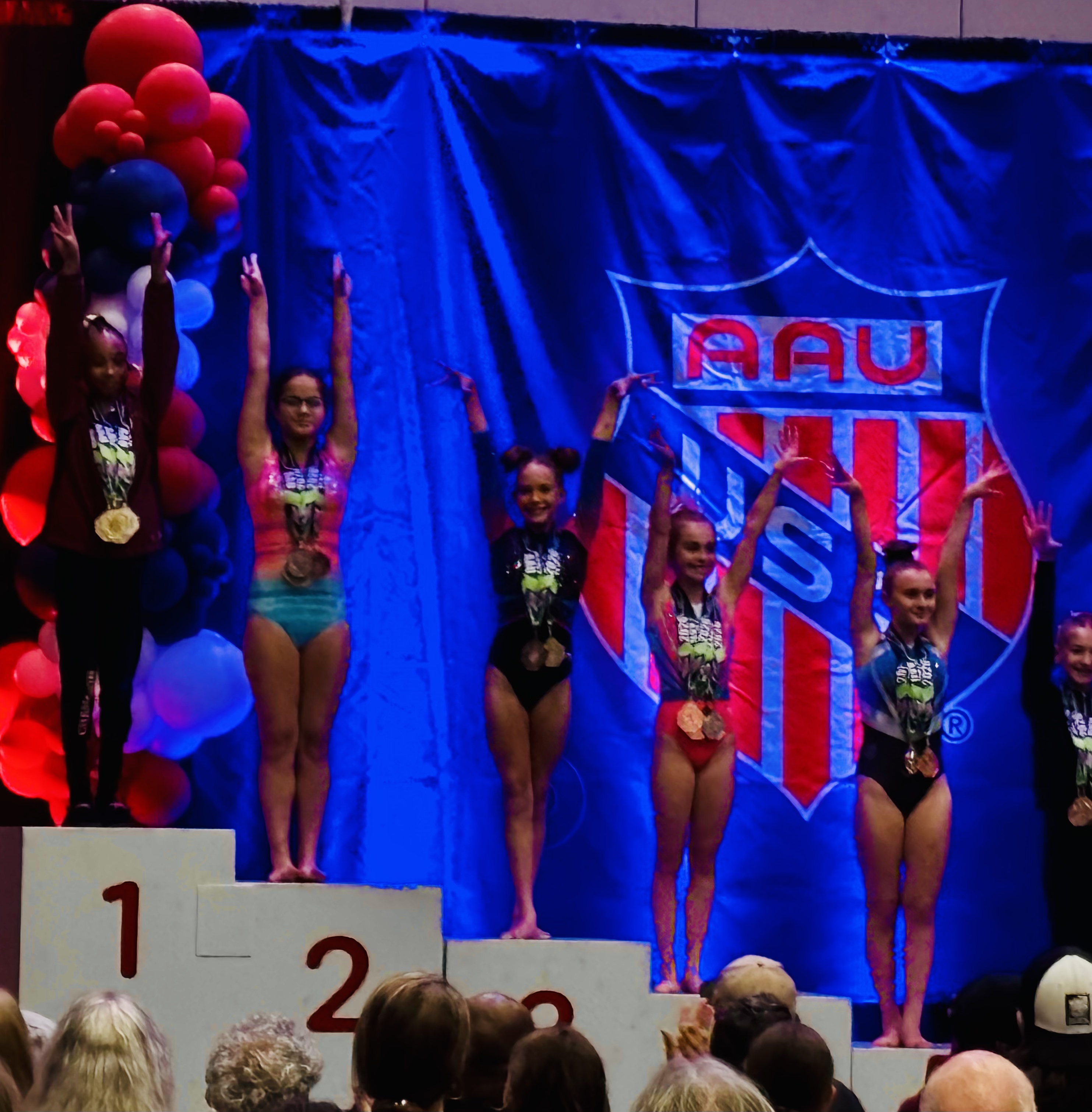
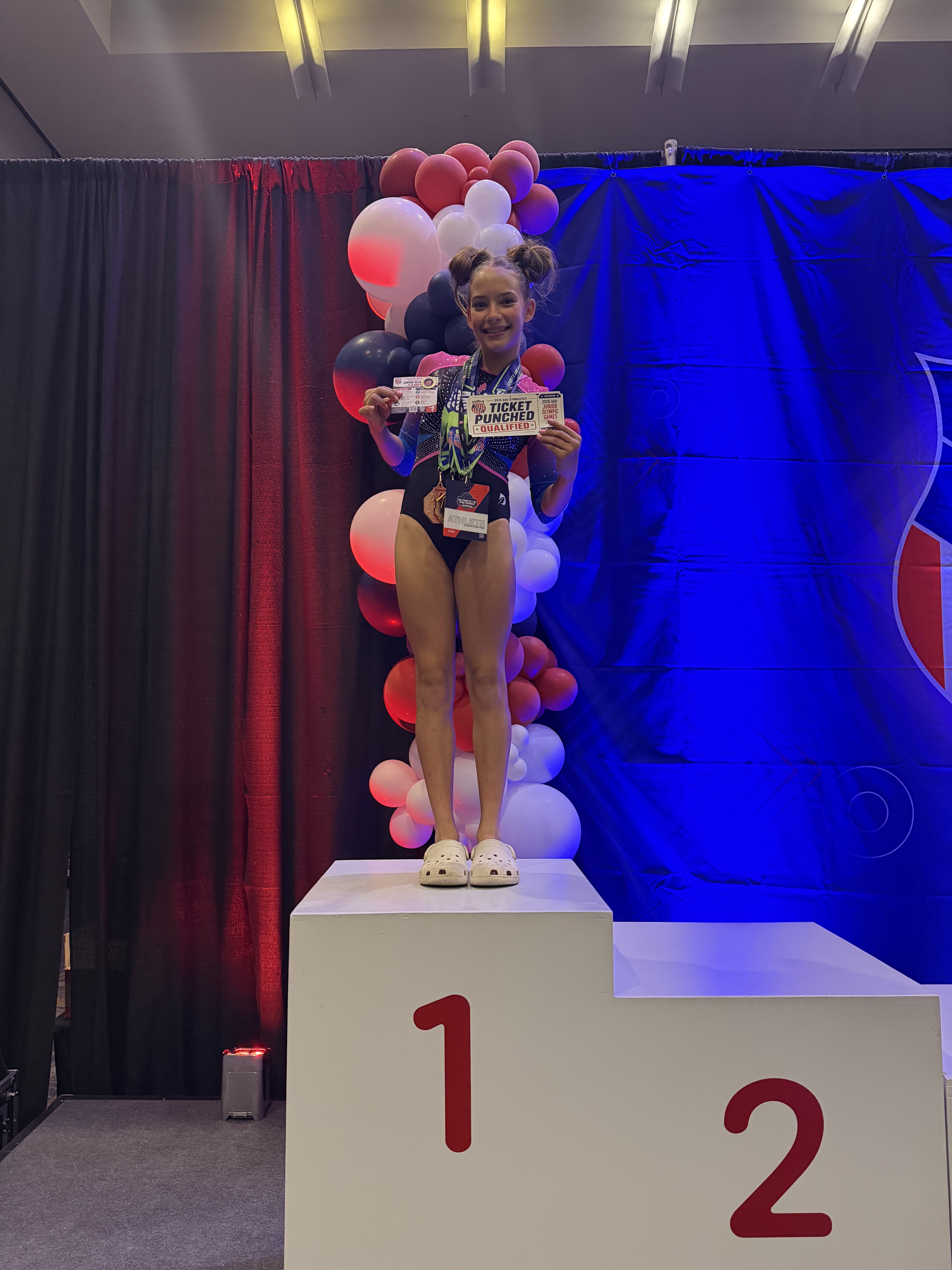
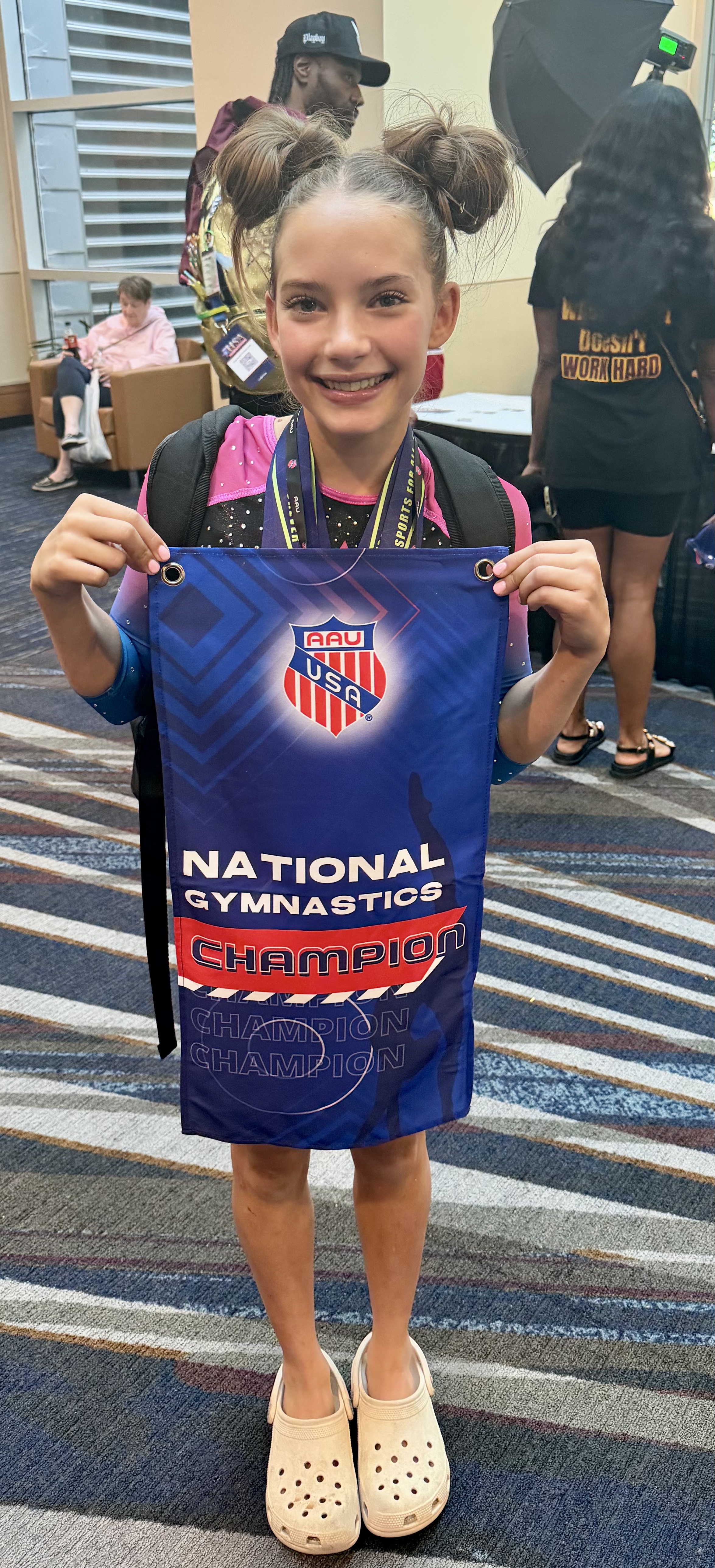
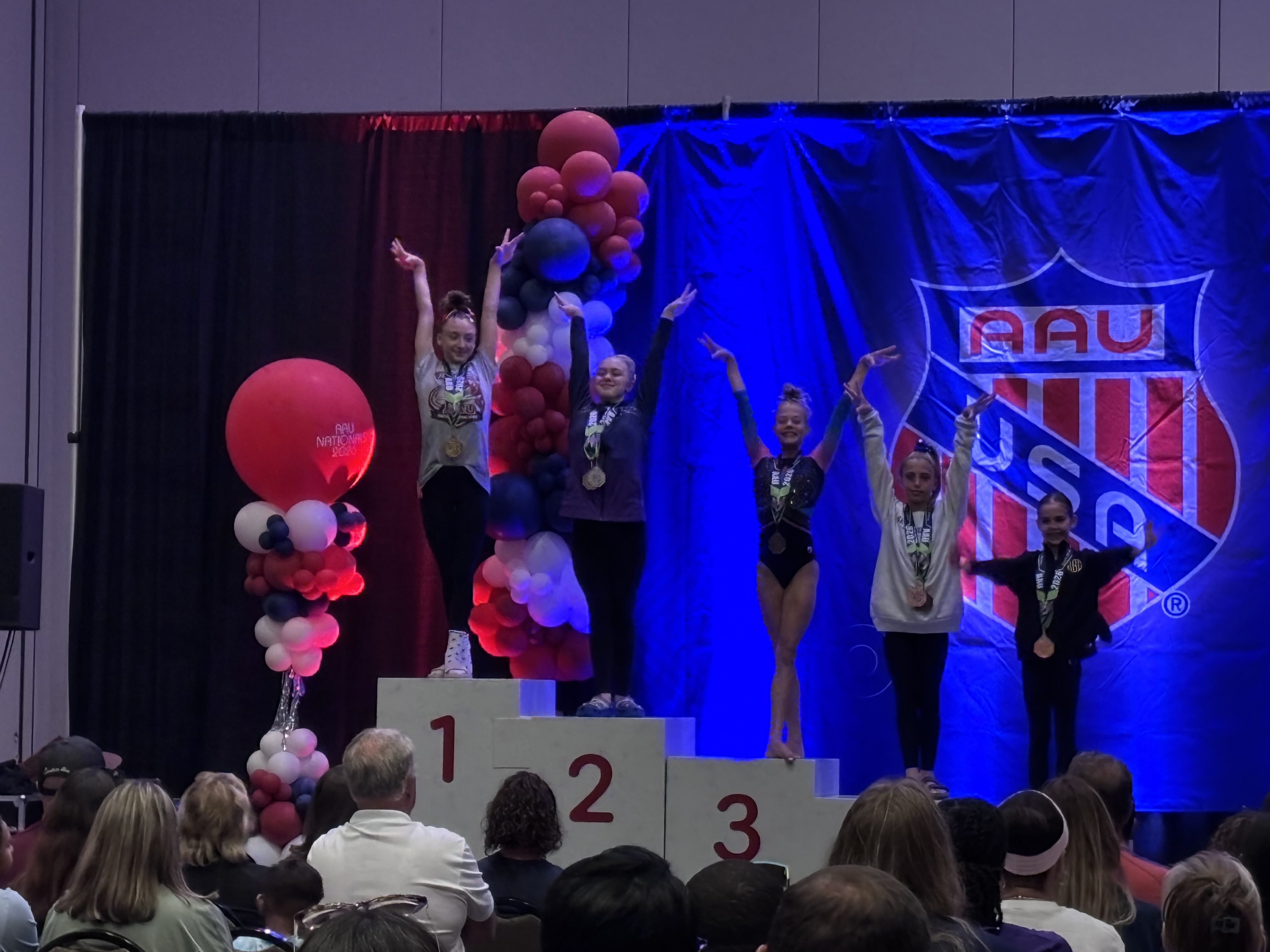
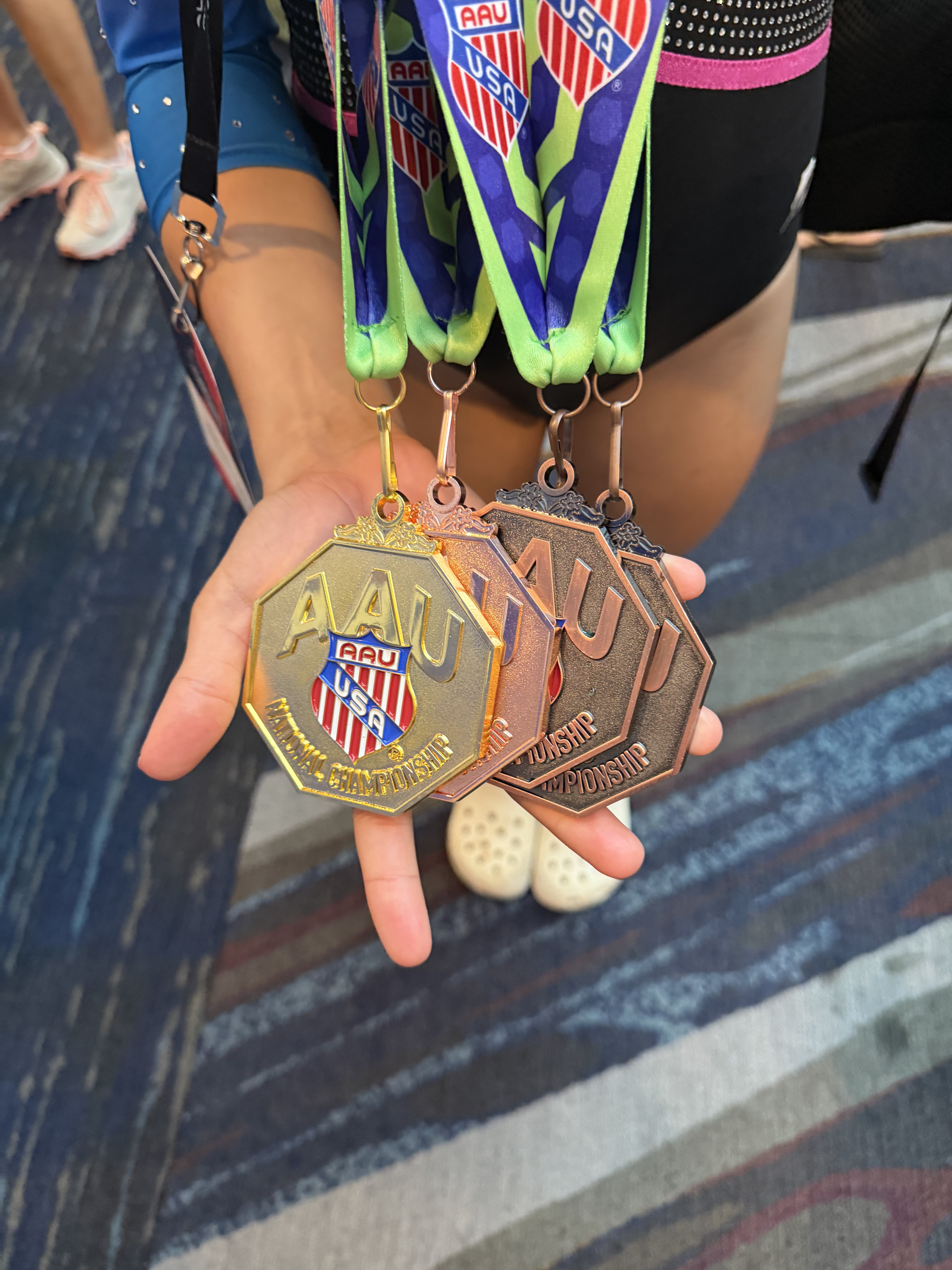
As I watched my daughters compete at the AAU National Championships, I found myself thinking less about scores and podiums and more about what gymnastics quietly teaches our children long before they ever receive a medal.

Because gymnastics isn’t just a sport. It’s an education in resilience.

The Imbalance That Teaches Balance

Few youth sports ask so much for so little time in the spotlight. Many competitive gymnasts train 15–25 hours each week. That’s hundreds of hours every season preparing for routines that last only seconds.

One wobble on beam.
One missed hand placement on bars.
One landing slightly off.

Months of preparation can change in an instant. And yet…

The next day they buckle their grips, tape their joints, chalk their hands, tighten their ponytails, and start again. What an incredible lesson for life.

More Than Physical Strength

Most people see the muscles. They notice the power. The flexibility on floor. The precision on beam. But what they don’t see may be even more impressive. The courage to throw a skill after falling. The confidence to compete while your heart races and their legs wobble from adrenaline. The discipline to practice the same movement thousands of times. The humility to accept coaching. The patience to trust that progress isn’t always linear and that their self-worth II not defined by their last rep.

These are not just athletic skills. They’re life skills.

The Four Pillars of Resilience

As someone who spends much of my career thinking about health, care models and system that promote holistic well-being, gymnastics reminds me that flourishing isn’t just about physical fitness. It’s about the whole person.

Physical resilience is built through strength, flexibility, balance, coordination, endurance, fueling, recovery, and learning how to care for your body.

Mental resilience grows every time an athlete chooses courage over fear, focuses after a mistake, or learns to quiet the voice that says, “What if I can’t?”

Emotional resilience develops when disappointment becomes determination, when frustration gives way to persistence, and when success is celebrated without letting it define your worth.

Social resilience is found in teammates cheering louder than anyone else even if it meana trading spots on the podium, coaches who believe before athletes believe in themselves, families who spend weekends traveling together, and friendships forged through shared challenges.

These young athletes aren’t simply learning gymnastics. They’re learning how to navigate life.

Behind Every Routine

People often ask about medals. I think about the mornings that started before sunrise. The long drives. The endless affirmations and behavioral coaching to break the cycle of unhealthy thoughts.

The braces and wraps. The grips. The ice packs. The stretching routines. The pep talks in the parking lot. The heart hands from across the gym that connect our souls and fuel confidence.

I think about coaches who refuse to lower the bar because they know these girls are capable of more. I think about parents learning to say, “I’m proud of you,” regardless of the score. I think about teammates who erupt with joy when someone finally lands the skill they’ve been chasing for months. That’s the part spectators rarely see. And maybe it’s the most beautiful part of all.

Wisconsin Has Something to Celebrate

This month, athletes from Flip City Gymnastics, Hartford Gymnastics Academy, Ultimate Performance Gymnastics, and other Wisconsin clubs represented our state with heart, determination, and grit at the AAU National Championships.

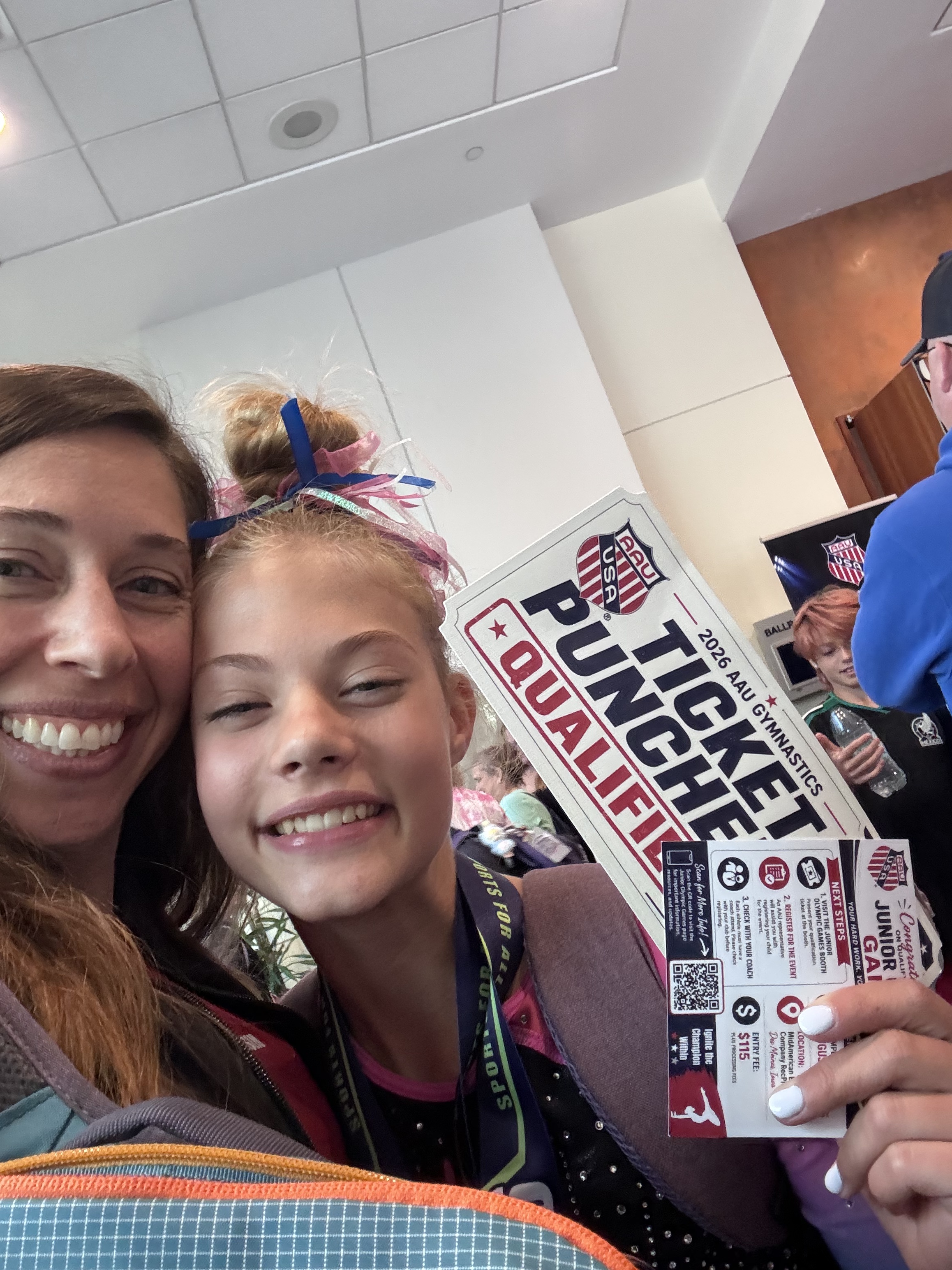
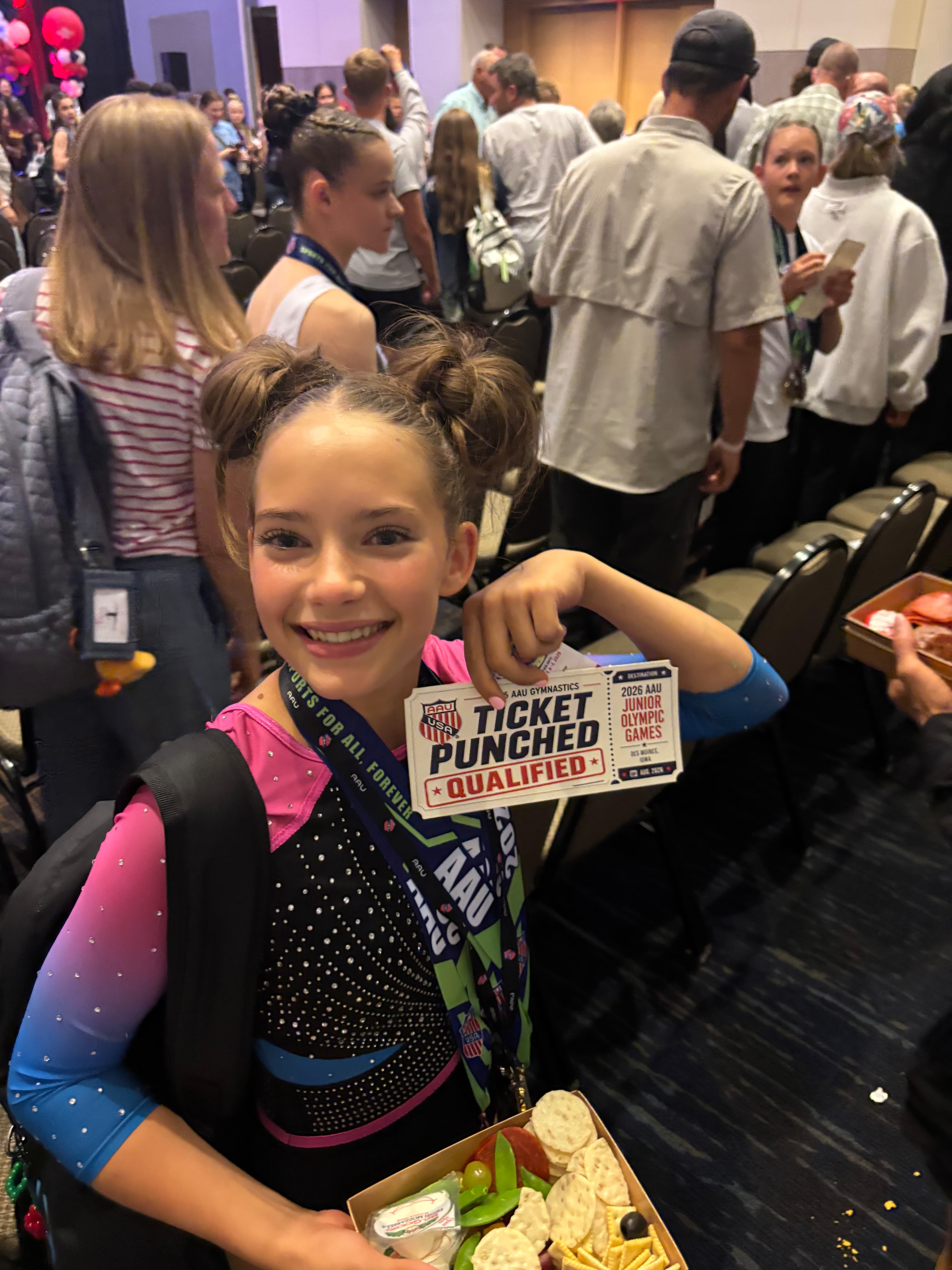
I’m especially proud that several Wisconsin gymnasts including two from our own family earned qualification to the AAU Junior Olympic Games this August in Des Moines, Iowa. What an incredible accomplishment. Not because they qualified. Because they became the kind of young women who were willing to do the work long before anyone was watching.

To the Girls

If you’re reading this someday, I hope you remember this:

Your score will fade. Your medals will eventually collect dust. But your character That stays.

The resilience you’ve built inside the gym will carry you into classrooms, careers, relationships, parenthood, leadership, and every challenge life places before you.

No judge can score that. And no one can ever take it away.

So here’s to every gymnast stepping onto the competition floor this August. Wisconsin is cheering for you. We’ll be cheering even louder for the women and men you’re becoming.

Now let’s rally behind these incredible athletes as they head to the AAU Junior Olympic Games in Des Moines!

Leave a note of encouragement in the comments, share this post to support Wisconsin gymnastics, and help these young women feel an entire community standing behind them as they take the national stage.

Gallery

Why I had to write this Book

I remember the moment, those two lines appeared. We locked eyes realizing life just changed.

I remember the “2-week wait” which felt like forever. The kind of forever that a child feels as they await each minute until their birthday party, or the kind of wait when there’s silence in the room. The wait of not knowing what they’ll say, what it all means, what’s next.

I remember the drive to the fertility clinic that day in March which was clouded with anticipation, fear and wonder. We hadn’t planned this. There was no IVF. But we had a hint that something unordinary was around the corner given that my initial HCG was 493 and then jumped to 1333 just 4 days later.

I remember the ultrasound room. The technician’s cold hands, the even cooler jelly on my belly. I remember the feeling as they scanned the landscape as if we were explorers uncovering new treasures with each inch of the wand’s movement across my stomach.

I remember the silence before the technician spoke and the sinking feeling as she counted. I remember realizing my life would never return to singular – we were in the era of the plural. The us became a we. It was no longer yours and mine. It was ours.

I have narrated the stories and life lessons in this blog for more than a decade. It has become more than a journey from a bump to baby(ies). This story is about the journey we all take from surprise to confidence, from disorganized to-do’s to controlled chaos, from fear to surrender.

Parenting and caregiving focuses on the bundle(s) of joy but we need to create space to grow, too. We are called to transform with them through every age and stage. Bump to Baby(ies) isn’t just about pregnancy and parenting. It’s about what happens when life multiplies faster than your capacity feels ready for.

This is my why for breaking the blog out of it’s box and into a book. That’s right, I’m birthing a book!

Over the next few weeks, I’ll be sharing pieces of this journey as the manuscript heads to final edit and then on into the hands of those who I hope and pray will blossom from its message.

Looking Back at Bella (2024-2025)

She may move at sloth speed – but don’t be fooled. Bella is not only the fastest quint, her pace of life is also her superpower. Her steady stride lets her soak in the world in ways most people miss: every butterfly that flutters by, every golden sunset, every emotion written on someone’s face.

Rooted in deep faith and fueled by passion, Bella brings beauty, grace, and grit to everything she does; whether it’s mastering a tough gymnastics routine, acing a class project, or raking the yard like a champ. Bella doesn’t just do the job – she does it with heart.

Here’s to 12 years of wonder, wisdom, and a soul that sees magic where others rush by!

Looking Back at Bella (2024-2025)

Looking Back at Bella Archive

Looking Back at Theo (2024-2025)

Quiet strength, endless curiosity, and a heart full of kindness – that’s our guy – Mr. Theo. Whether he’s dropping dimes on the gridiron, making a gold glove play at second, or casually dropping a fun fact no one asked for (but everyone enjoys), Theo always brings his A-game.

Growing up with four sisters might make some boys fold – but not this one. He’s the calm in our chaos and the MVP of being a brother, son and a friend.

Let’s celebrate the boy who’s always got a ball in one hand and lending the other to someone in need, all with a big smile on his face!

Looking Back at Theo (2024-2025)

Looking Back at Theo Archive

Looking Back at Theo Archive

Looking Back at Kali Mae | 2023-2024

Full of fire and determination, Kali Mae pours her heart into everything she does, giving 100% in all her endeavors. She loves deeply, tries tirelessly, and feels intensely. With a tender heart and a radiant smile, she has the power to light up any room with her bright eyes. She is our sunshine, spreading warmth and joy wherever she goes!

Looking back at Kali at 10 years…

Looking Back Archive…