What One Night at the Library Taught Us About Hope

“Life is a battle, and we will win.”

I have said those words many times. On Wednesday night, I got to watch more than 50 people live them. We gathered at the Sun Prairie Public Library for Family Fun Night, a celebration of Life Is a Battle and We Will Win, with one big purpose: to rally around mental health and resilient youth. Kids and grown-ups. Neighbors and new faces. A whole room choosing to support one another.
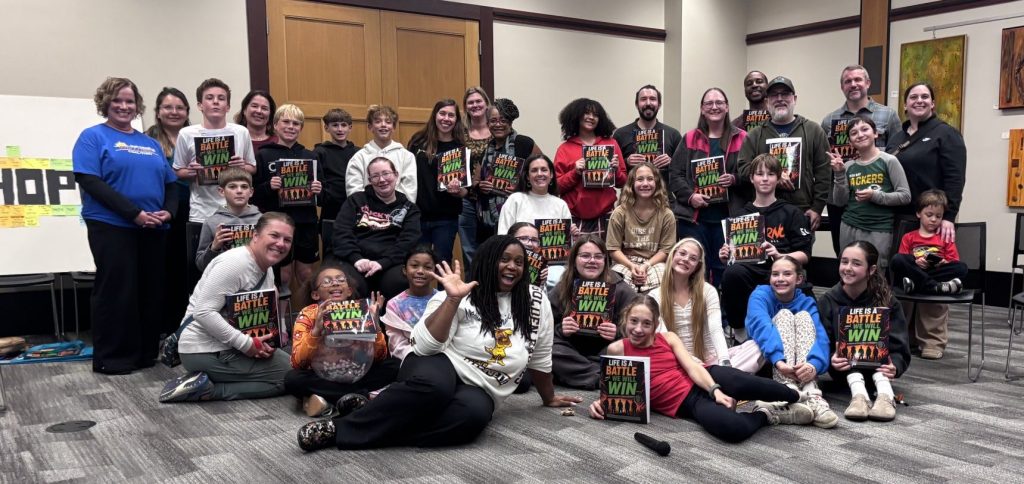
Family Fun Night participants gather for a group photo at the library, holding copies of Life Is a Battle and We Will Win.

Timid, curious, and then… laughing

If you have ever walked into a room full of people you don’t know, you know the feeling with shoulders a little tight, eyes rapidly scanning for a familiar face. That’s how many folks came through the door: timid, unsure, but curious.

Curiosity is a wonderful place to start.

Within 10 minutes, the room had changed. We kicked things off with a rousing round of musical chairs and a game of keep-the-balloon-up, and suddenly people were laughing, chatting, and swapping chairs with strangers who didn’t feel like strangers anymore. Media 22 kept the energy high with an amazing playlist (seriously, the music did half the work!).

Play is powerful. It lowers our guard and opens the door to connection, and connection is exactly what so many of our kids are missing right now.

Going deeper, together

Once the room was warm, we opened the book. Dr. Jaz, lead author and publisher of Life is a Battle and We Will Win Volume 2, joined me to guide the evening, and we used reflection questions from the book to help adults and kids talk about real life battles, lessons, and the tactics they lean into when life is hard..
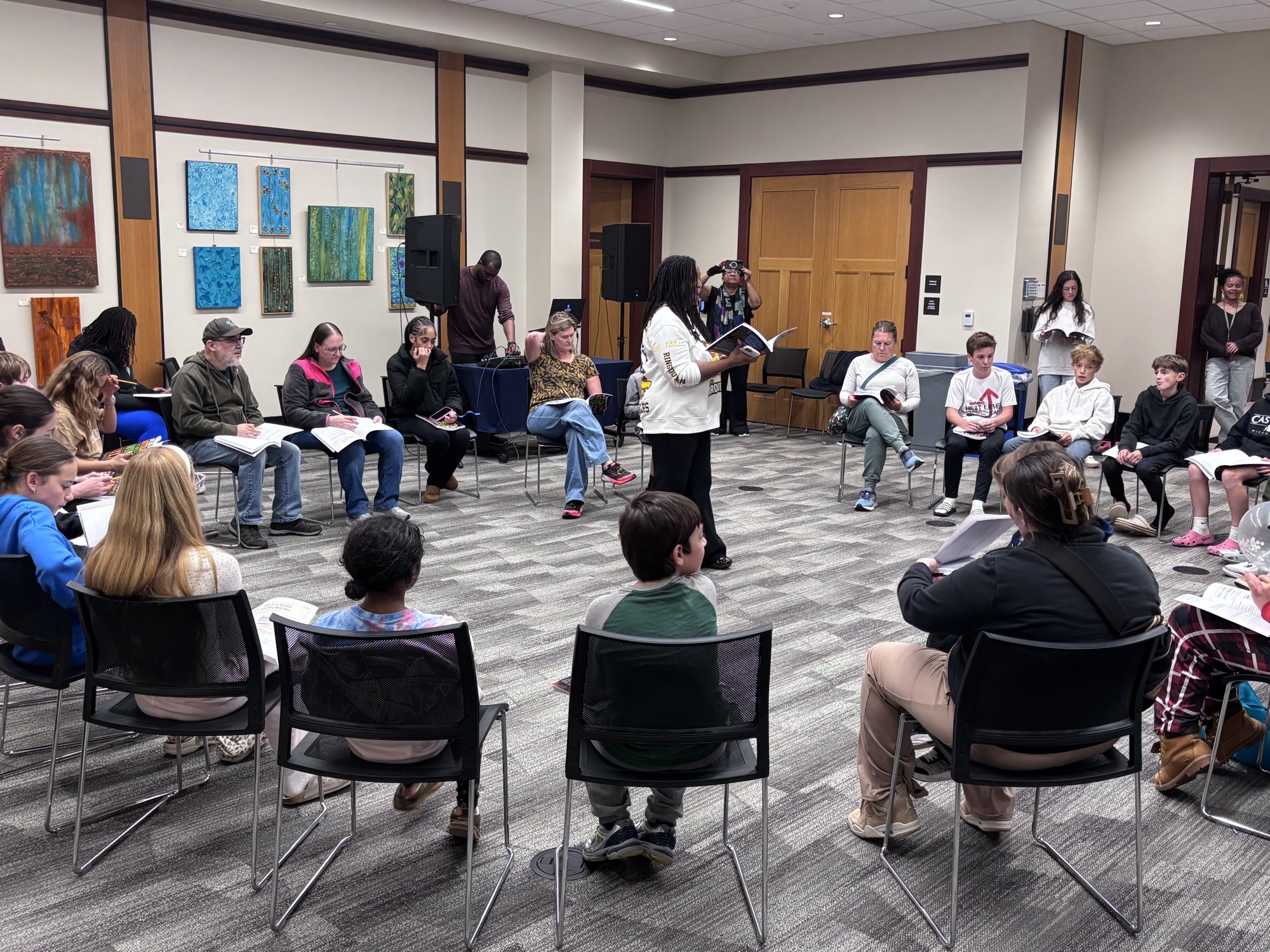
Adults and young people seated in a circle at the library while a facilitator reads from an open book.

We asked everyone to think about a hard moment and what they learned from it.

One young participant shared about losing a beloved pet, and how life hasn’t felt quite full since.

The room got quiet in the best way. The adults leaned in and, one by one, let him know he wasn’t alone. Many of us have loved and lost a pet, and that ache is something we share. His hard moment didn’t shrink, but it got a little lighter, because now other people were carrying it with him.

That’s resilience. Not pretending it doesn’t hurt. Knowing you don’t have to hurt alone.

From there, the questions explored the good stuff too: the skills that help us through, our inner strengths, the identities that make us who we are, and what we love most about each other and about ourselves. People of all ages proudly shared, “I am strong,” “I am creative,” “I am kind,” “I am forgiving,” “I am dependable,” and even “I am the alpha.”

Everyone gets a voice

Next, we came back together as one big group to share what we’d learned. This was one of my favorite parts of the night. Every person, whether they were 10 or 70, had an equal voice in shaping the key takeaways. Little by little, we built a kind of collective wisdom that none of us could have built alone.

Walking out with hope

We closed with an Art Walk featuring work created by the Central Heights Middle School participants. These young artists poured their hearts onto paper, and it showed.
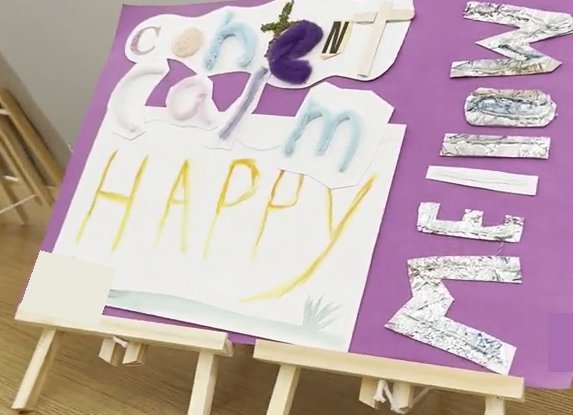
Student artwork expressing feelings like calm and happy displayed on an easel during the Art Walk at the Sun Prairie Public Library.

Then everyone added to a collective art piece filled with affirmations of hope. Piece by piece, word by word, a blank space became a wall of encouragement. I can’t think of a better picture of what this night was about.

Thank you

A night like this is never a solo effort. My heartfelt thanks to:

Each of these groups works every day to build resources, spark connection, and reduce social isolation for our youth. When we link arms, our kids feel it.

Your turn

Before we said goodbye, we asked everyone to do one simple thing: take what you learned and share it with someone else. So I’ll ask you, too.

What is one hard moment that taught you something? Share it with your child, a friend, or a neighbor this week. You may be the reminder someone needs that they’re not alone.

And if you or a young person in your life is struggling, please reach out. The community partners above are a wonderful place to start, and you can call or text 988, the Suicide and Crisis Lifeline, any time, day or night.

Life is a battle. And together, we will win.
Bringing CALM to the Sidelines

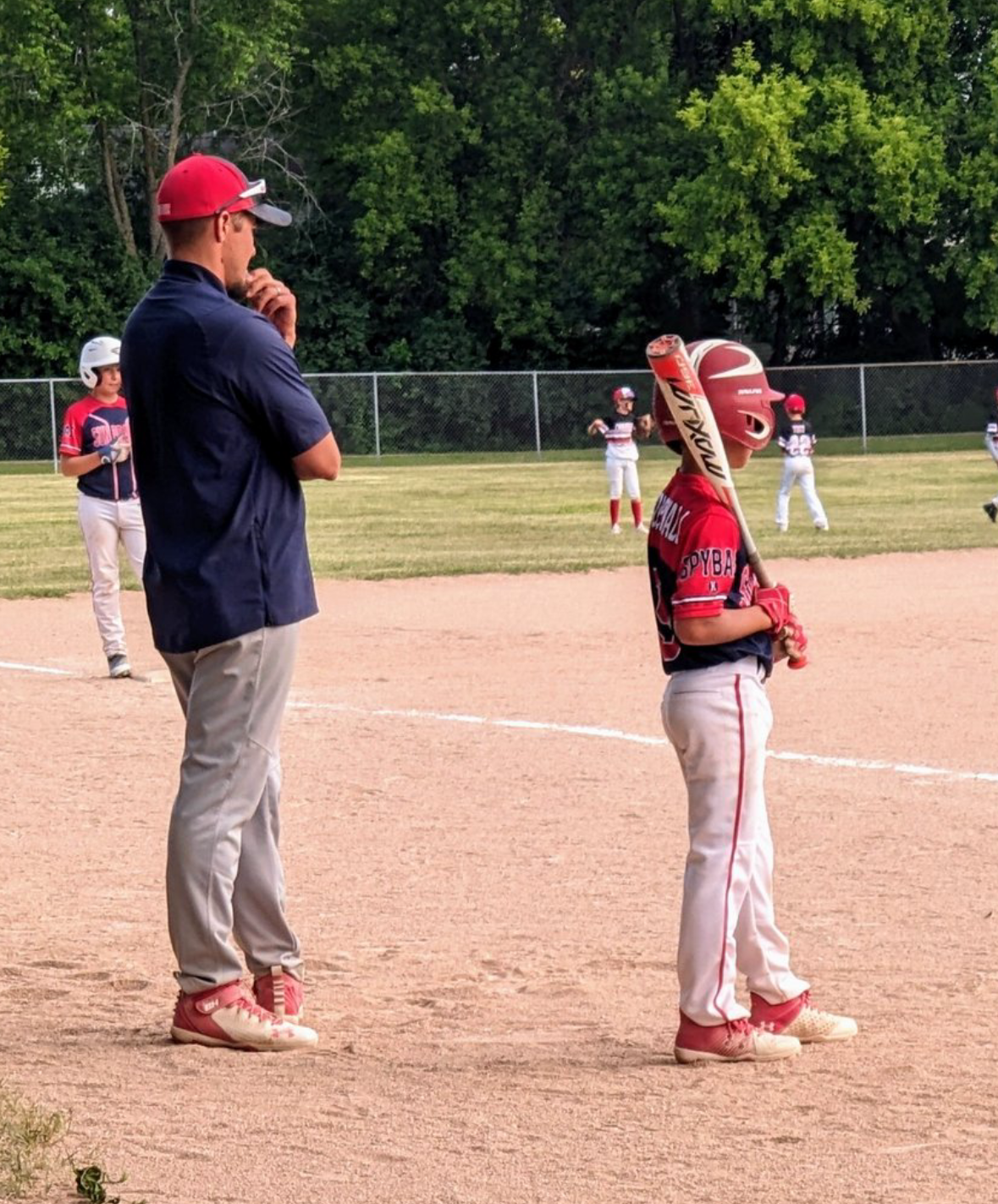
There’s a moment right before every season when the whole house shifts. The calendar fills up, the gear comes out of the closet, and the car starts to smell a little like a locker room. In our house, our kids spend long hours throughout the year on the field or in the gym, and I can feel these shifts coming weeks ahead.

As a registered dietitian, I could talk about fueling our family all day. If you’re looking for the food side of season prep, my earlier post, Feeding the Growing Athlete, covers fueling for busy practice weeks. Today, let’s focus on the heart. I want to talk about something that shapes every practice, game, and meet just as much: how we show up for our athletes as caregivers. That’s where the CALM framework comes in. I introduced the CALM parenting framework in Baby(ies) to Big Kids, and we use it at home, in the car, and on the sidelines. 

Stay Curious

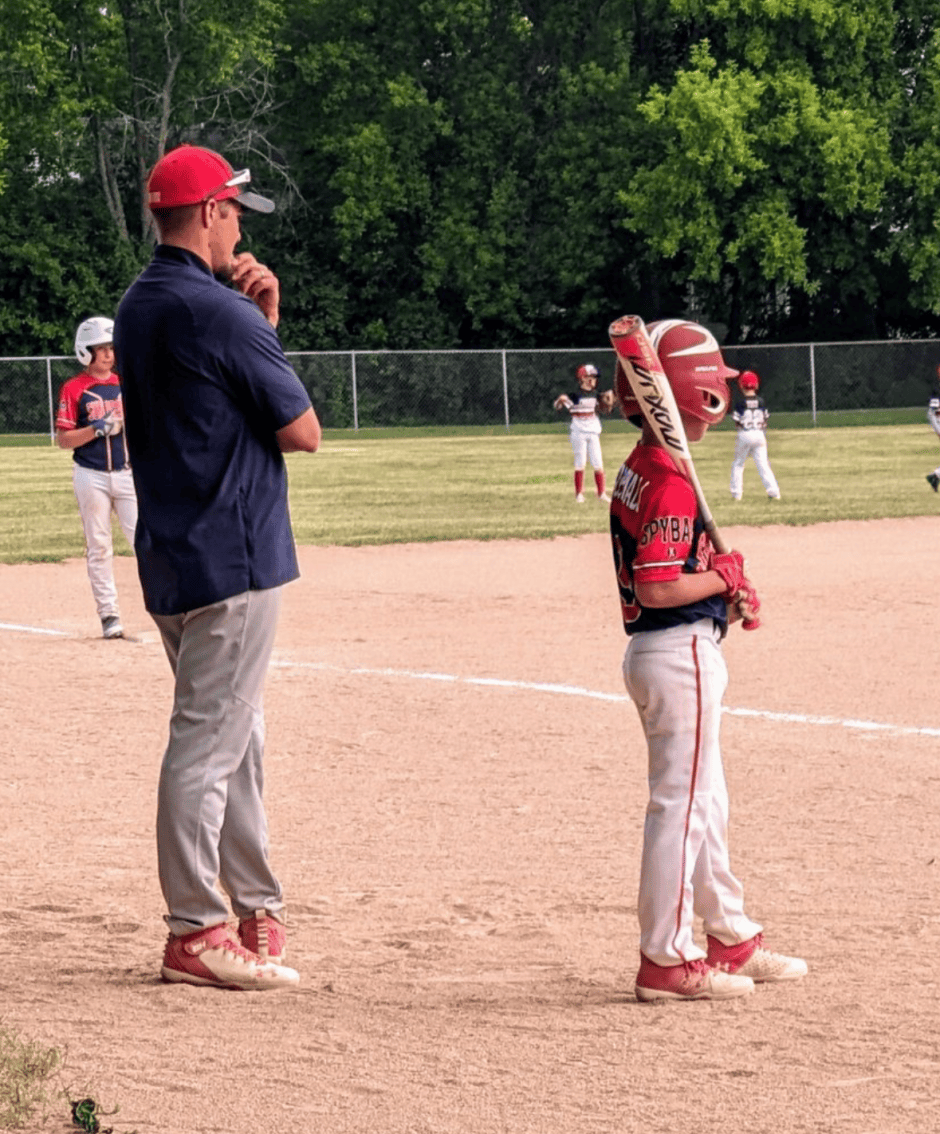
Parents often toe the line of a coach. Those lines blur when caregivers coach their own kids, and some of you do, with a whistle around your neck and a clipboard in the car. But most of the time, we have a different role. Our athletes already have someone telling them what to fix. What they need from us is someone who wants to understand them.

Curiosity builds trust, and trust keeps the door open. When the car door closes after a game, it’s tempting to start with instruction (“You needed to follow through on that swing”) or assumption (“You must be so frustrated”). Instead, try leading with a question:

  • “How did that play feel for you?”
  • “What did you notice out there today?”
  • “Which play or event are you most proud of?”
  • “Is there anything you want to talk about, or do you want quiet for a bit?”

That last one matters. Sometimes curiosity looks like giving space and trusting they’ll come back when they’re ready. When we ask first, we learn what our kids actually experienced, which is often different from what we saw from the bleachers.

I definitely continue to stumble through this principle, especially letting my assumptions infuse my questions. I’m lucky to get a quick reminder when I do, because my kiddos speak up and usually ask, “Why would you think that?” This honest feedback helps me explain my perspective and quickly course correct to staying curious a little longer.

Remember, we’re not aiming for perfection; we’re all works in progress.

Anchor in Routine

Map the season before the season maps you. When the schedule runs us, everyone feels it: short tempers, rushed dinners, forgotten water bottles, and late nights that bleed into hard mornings. Routines don’t take the fun out of a season. They give kids a steady place to land.

Before the first practice, sit down together and look at the whole season:

  • Put every practice, game, meet, and travel weekend on one family calendar.
  • Mark the pinch points, like late practices, early mornings, and back-to-back days.
  • Decide ahead of time which nights are simple-dinner nights and which ones will need fast food to pinch-hit.
  • Build a night-before routine: bag packed, uniform or leo ready, water bottle filled, snack in the bag. If it’s the night before a game, it’s often helpful to talk through the pre-game meal since many young athletes already know which foods sit well before they compete.
  • Protect a wind-down routine on late nights so sleep still happens. We love incorporating visualization into these routines to help our athletes walk through their points of worry and start to paint the picture of how they define success. 

Let kids own pieces of the routine based on their age. Teens can pack their own bags and check the calendar themselves. That ownership builds confidence that carries onto the field, the court, and the mat.

Routine also gives you predictable moments to connect. The drive home, the post-practice snack, and the bedtime check-in become anchors your athlete can count on, win or lose.

Lead with Language

Sports bring out big feelings fast. In a single inning, a kid can feel pride, guilt, shame, embarrassment, and anger. When kids don’t have words for those feelings, they tend to come out sideways: slammed doors, tears on the field or in the car, or going quiet for the rest of the night.

We can help by giving them language. Naming a feeling makes it easier to understand and easier to move through. Here are a few that show up often in sports:

  • Pride: “I worked hard for that, and it showed.”
  • Guilt: “I feel bad because I think I let my team down.”
  • Shame: “I feel like I’m not good enough.” This one needs extra gentleness, because it’s about who they are, not what they did.
  • Embarrassment: “I didn’t want everyone to see me mess up.”
  • Anger: “That call felt unfair, and I’m mad about it.”

Growth mindset tips for naming feelings in a healthy way:

  • Separate the feeling from the person. “I made a mistake” is different from “I am a mistake.”
  • Add the word “yet.” “I can’t stick that skill yet” leaves room for growth.
  • Normalize the feeling. Big feelings mean they care, and caring is a good thing.
  • Ask what the feeling is telling them. Frustration might mean “I want to get better at this.”
  • Pair the feeling with a next step. “I’m disappointed, and tomorrow I’ll ask my coach what to work on.”

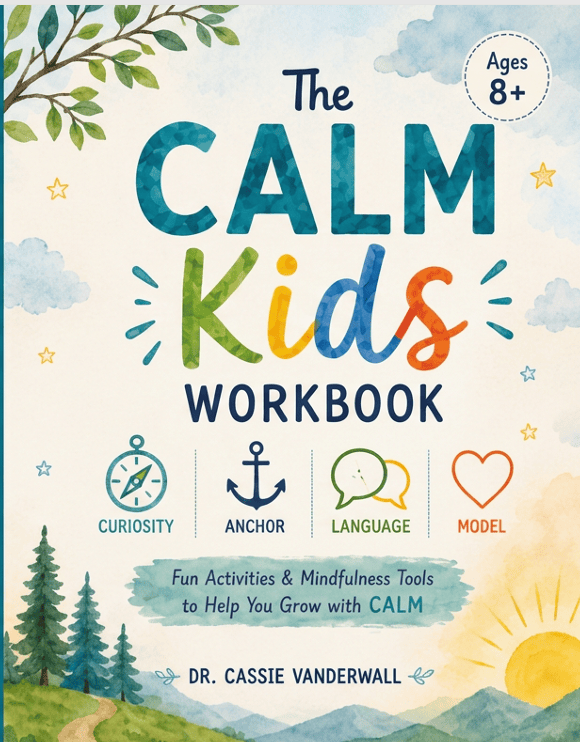
The CALM Kids Workbook gives kids their own tools to name and work through big feelings from sports, school and home.

In our family, we navigate mental health challenges and neurodiversity. These challenges don’t remove the need for a growth mindset. They often amplify it, because it’s easy to fall into a fixed mindset or even a victim mentality. We see these differences as a call to be a bit more considerate because words matter a lot, especially in a family of teens where minds can be really sticky and have a propensity to latch on to harsh words and criticism. To prevent these narratives from turning into game film that they’ll run over and over in their mind’s eye, we do our best to lead with language and communicate directly so no one is left guessing.

Model Emotional Regulation

This one is for us. It’s easy to get heated at a ref, an umpire, a coach, or another player. We love our kids, and passion runs high in the stands. But our athletes are watching how we handle big moments, and they learn more from what we do than from what we say.

Modeling emotional regulation doesn’t mean we stop caring or sit silently on the sidelines. It means we show our kids how to feel a big feeling, filter it, and respond in a way that’s still appropriate. We can stay passionate and still stay kind.

  • Notice it: “I’m feeling really frustrated with that call.”
  • Pause: take a breath, stand up, or walk a few steps before reacting.
  • Filter it: ask yourself whether what you’re about to say helps your athlete or the team.
  • Choose your response: cheer for effort, clap for both teams, and save concerns for the right time and the right person.
  • Repair when needed: if you lose your cool, own it later. “I got too heated today, and I’m sorry. Here’s what I’ll try next time.”

That repair might be the most powerful lesson of all. It shows our kids that everyone has big feelings, and that we can make it right when we get it wrong. The CALM Parenting Workbook walks caregivers through these moments with practical tools you can use at home and in the stands.

Bringing It All Together

A strong season isn’t only about the scoreboard. It’s about kids who feel understood, supported, and steady, no matter how the game goes. When we stay curious, anchor in routine, lead with language, and model emotional regulation, we give our athletes something that lasts far longer than one season.

Here’s to a season full of growth, grit, and grace.

Ready to bring CALM home this season? Find Baby(ies) to Big Kids, The CALM Parenting Workbook, and The CALM Kids Workbook at https://bump2babies.blog/the-books/.

The Gift of Written Word

There’s something powerful about taking a story that lives in your heart and finally putting it into words.

I’m incredibly grateful to Motivational MD Publishing for helping me transform one story into a growing collection of books and, ultimately, a bigger vision for Fuel to Flourish™.

Sometimes writing a book doesn’t just tell your story. It helps you discover what you’re meant to do with it!

Get Your Copy(ies)

Check out Motivational MD Publishing

Looking Back after 13 Years

Every July I open the virtual photo albums and reminisce over the last 365 days. I smile, I cry, I chuckle, I think about the “what if’s” and let those worries go, and count my blessings: 1, 2, 3, 4, and 5. I compile photos that articulate where each member of the V5 started the previous year and who they became. I add photos I know that they’ll cherish and sprinkle in a few that I know will make them cringe but smile inside. Then, I listen to countless songs trying to find the right one that I know they’d listen to and think, “yep that was me at 13.” My favorite part of building these collages is watching them one-on-one with each of them. We always catch little mistakes the first time through and they beg for me to take a photo out but they typically stay. Each one ends with a side hug and kiss on their head.

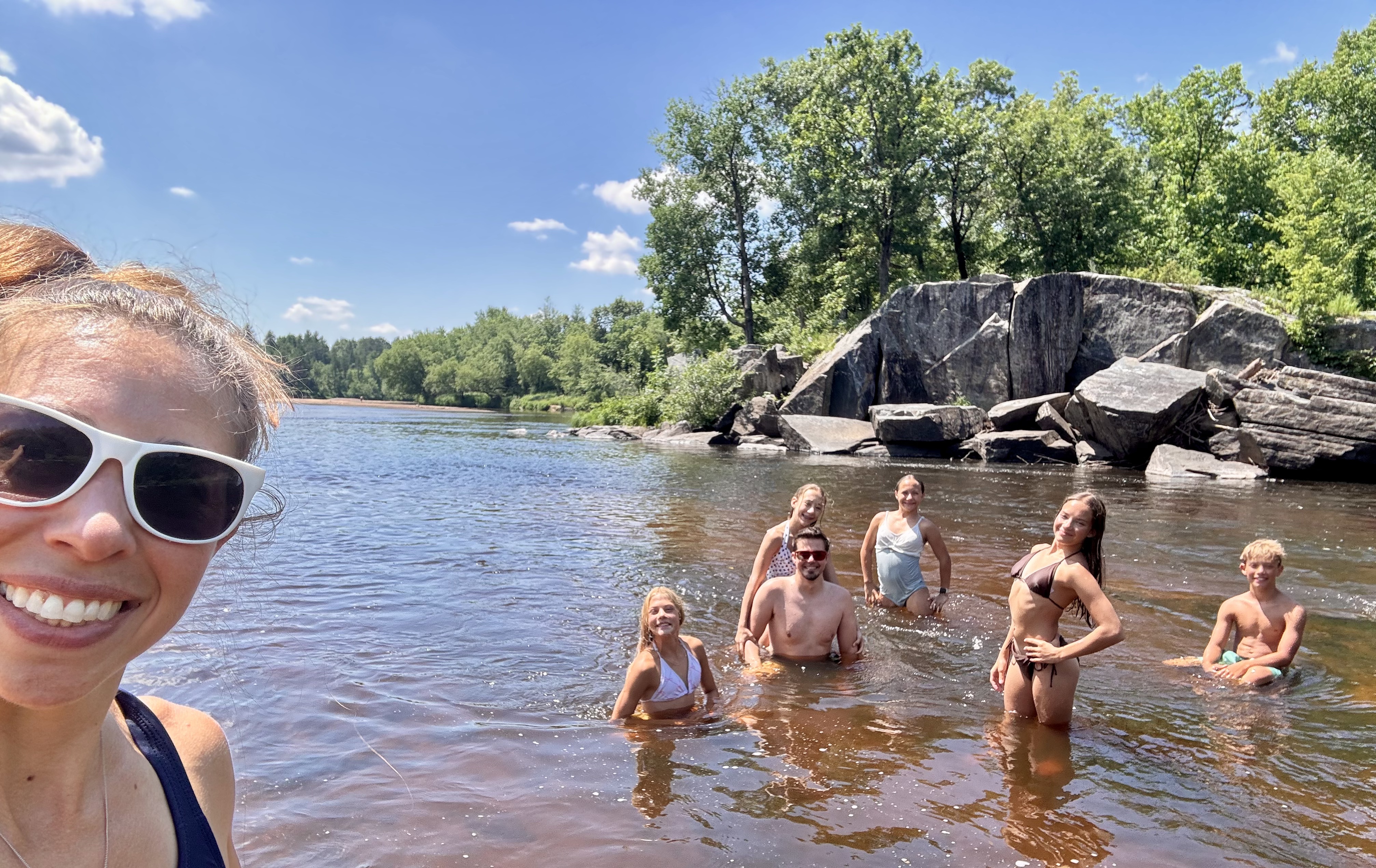
Join me as we look at Theo, Bella, Lily, Kali and Ellie over the last year!

Happy 13th Theo!

Happy 13th Bella!

Happy 13th Lily!

Happy 13th Kali!

Happy 13th Ellie!

Ellie’s audio: How to save a life: https://youtu.be/cjVQ36NhbMk?is=RGcdU_DVxLikDQpT

From Baby(ies) to Big Kids: Thirteen Years of Becoming

This week, the V5 turn thirteen. Thirteen. I sat with that sentence for a minute because for so long, our story was defined by the beginning. The shock of discovering there weren’t one, two, or even three babies growing inside me but five.

The appointments. The preparation. The uncertainty. The NICU. Then, the bottles and diapers and feeding schedules. Five car seats. Five cribs. Five tiny people who somehow needed us all at once.

When I wrote Bump to Baby(ies), I told the story of how our family began. It was a story about pregnancy, surrender, survival, and discovering courage when life multiplied in ways we never could have imagined.

That first season passed quickly. The days were long but the years short. They became toddlers with opinions. Preschoolers with personalities. Elementary schoolers discovering friendships, sports, strengths, and struggles. And now, somehow, they are teenagers.

The Story After Survival

People have asked us versions of the same question since the kids were born: How do you do it with five?

When they were babies, the answers were practical. Schedules. Systems. Preparation. Teamwork. And probably more coffee than medically advisable.

But as they grew, the question became much more complicated. How do we raise five children at the exact same age while honoring that they are five completely different people?

How do we create structure without controlling them?

How do we help them become resilient without protecting them from every struggle?

How do we teach responsibility while making home a place where mistakes are safe?

How do we stay connected as schedules, sports, school, friends, emotions, and independence begin pulling everyone in different directions?

And maybe the biggest question of all: How do we raise children who know they are deeply loved while preparing them to eventually walk into the world without us?

I definitely don’t have all the answers. Thirteen years into this parenting, social experiment, I’m more convinced of that than ever.

What I do have are lessons. Lots and lots of lessons. Some learned beautifully. Others learned the hard way.

One of the surprises of parenting has been realizing that children aren’t the only ones growing. The parents we were when five babies came home are not the parents we are today.

We’ve learned that connection matters more than control. That repair matters more than getting every interaction right. That our children can share the same home, the same parents, and even the same birthday and still need completely different things from us.

We’ve learned to laugh. We’ve learned to apologize. We’ve learned to have hard conversations. We’ve learned that sometimes the best parenting happens around the dinner table, driving to practice, or during a completely ordinary Tuesday night.

And we’ve learned that resilient families aren’t families without struggle. They’re families who learn how to move through struggle together. That became the heart of Baby(ies) to Big Kids.

A Book About Becoming

Baby(ies) to Big Kids isn’t a story about how we figured out parenting. Quite the opposite. It’s about what we’ve learned while figuring it out.

The CALM parenting framework is about raising resilient kids while continuing to become resilient adults. It’s about communication rooted in curiosity, anchoring values, connection through words and actions, responsibility, emotional awareness, and creating a family culture intentionally even when real life is loud and messy.

And because reading about these ideas only takes us so far, the story grew again. I created companion workbooks for parents and youth so families could move from reading about resilience and connection to actually practicing them together. What began as a story had become a set of resources. 

We Were Never Meant to Do This Alone

There’s another lesson woven throughout these thirteen years that deserves its own chapter: Family resilience doesn’t happen in isolation.

Our children have been shaped by grandparents, teachers, coaches, healthcare professionals, neighbors, friends, and people who have simply shown up again and again. So have I.

We have been privileged to grow up alongside two of our people, Alex and Danielle. Frank and Alex became best friends in high school, two kids from neighboring towns bonded by Seinfeld, classic rock, and countless hours writing and playing music in Alex’s basement before rocking talent shows and benefit concerts together. Their friendship followed them to college, where they joined the same fraternity and eventually served as president and vice president, and where Alex met Danielle, who quickly became part of our story,  too. Over the years, the four of us have celebrated, struggled, built careers, raised families, laughed, challenged one another, and become family. We are iron that sharpens iron, but perhaps our greatest lesson has been that even strong people need a village.

Danielle has been part of ours through so many chapters, which makes it especially meaningful that she wrote the foreword to Baby(ies) to Big Kids. There is something incredibly special about having someone who has witnessed the messy middle of your story help introduce it to the world.

And Now There Are Five Teenagers

On the weekend of their thirteenth birthday, I find myself looking backward and forward at the same time. I can still see those five tiny babies. But I also see five young people becoming increasingly themselves. And I know the next chapter will bring questions I haven’t even thought to ask yet.

But this week? I’m going to celebrate five thirteen-year-olds. I’m going to marvel at the fact that somehow we made it from five NICU isolettes to five teenagers. And I’m going to remind myself that we still haven’t arrived. Thank goodness.

Happy 13th birthday, Theo, Bella, Lily, Kali, and Ellie!

What an extraordinary adventure it is to grow alongside you.

What 90 seconds Can Teach Us About Life

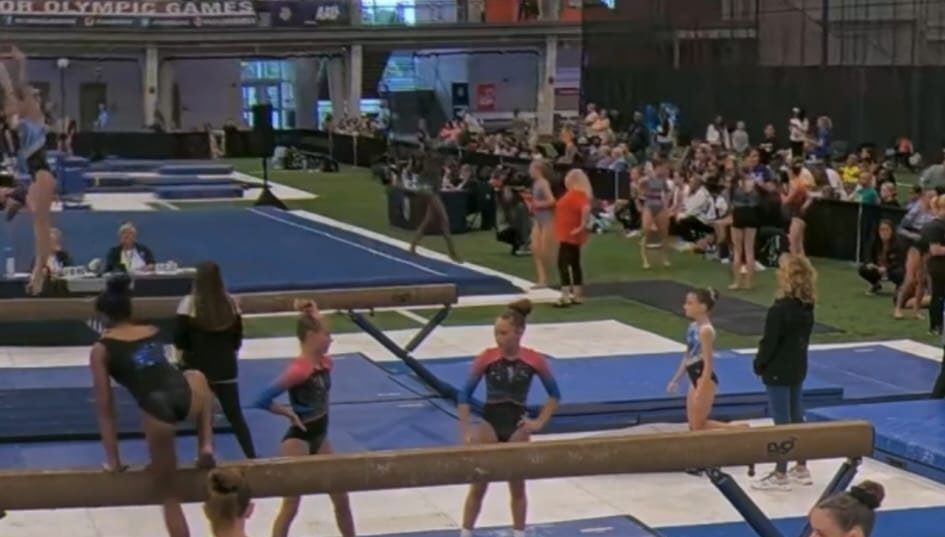
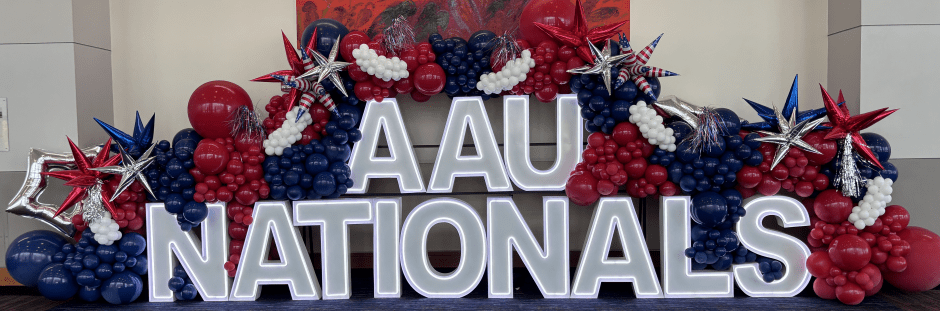
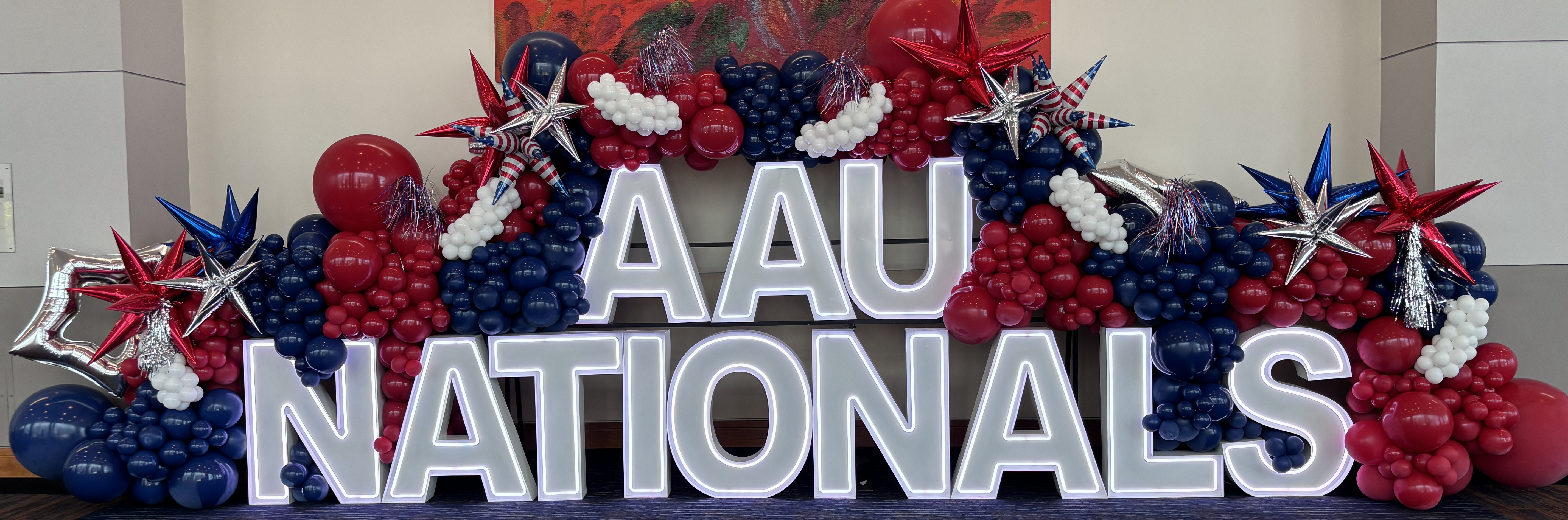
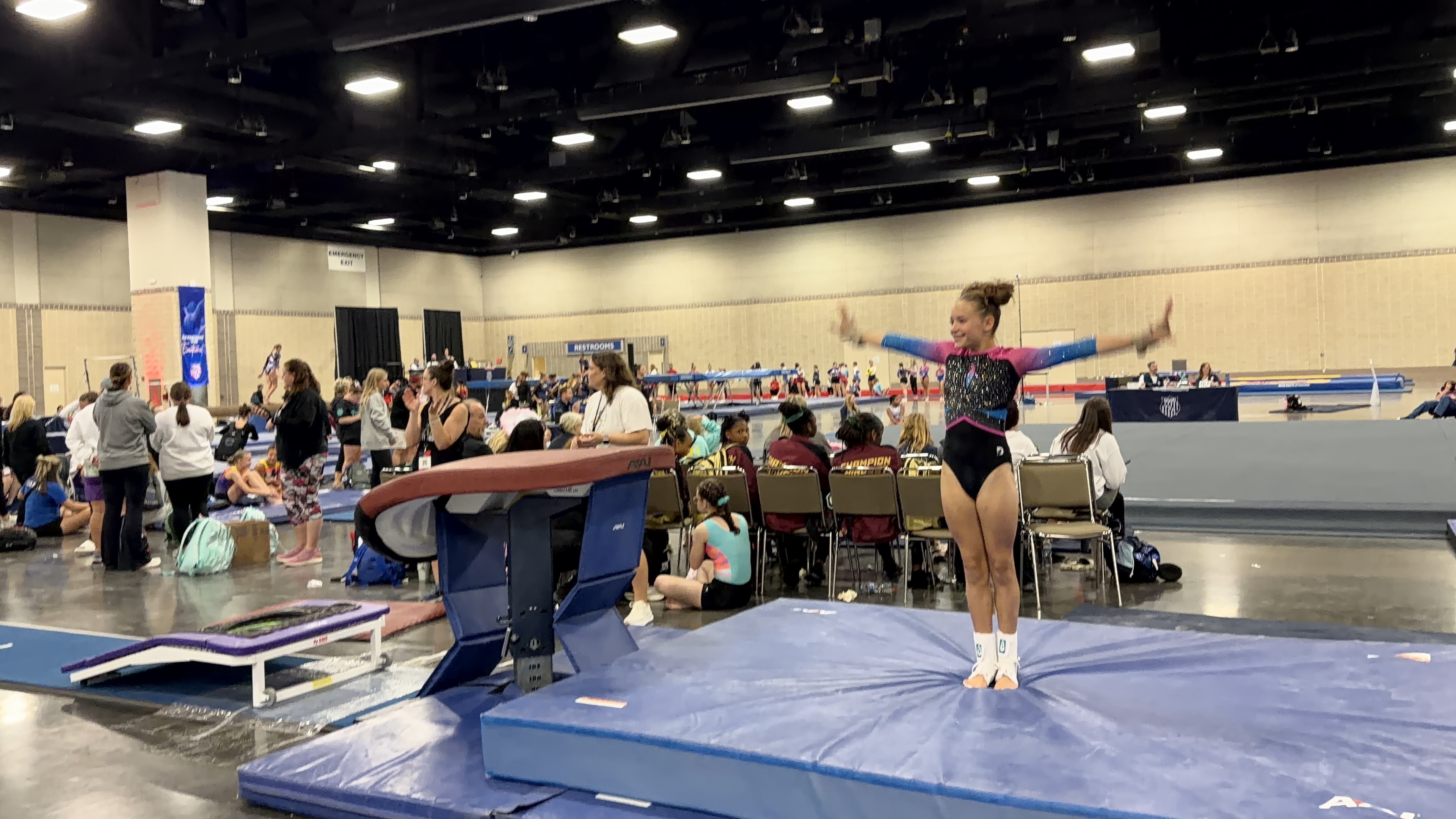
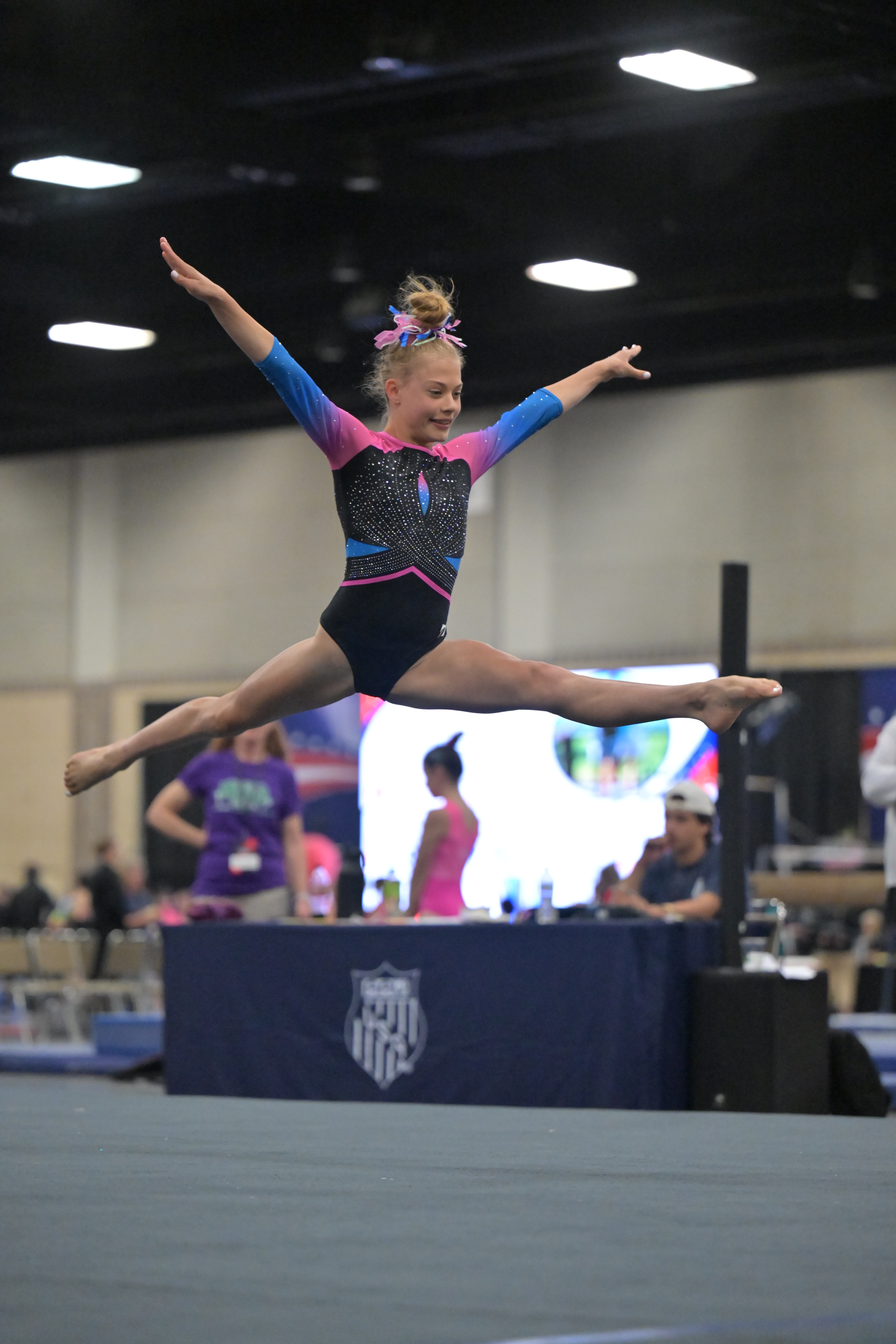
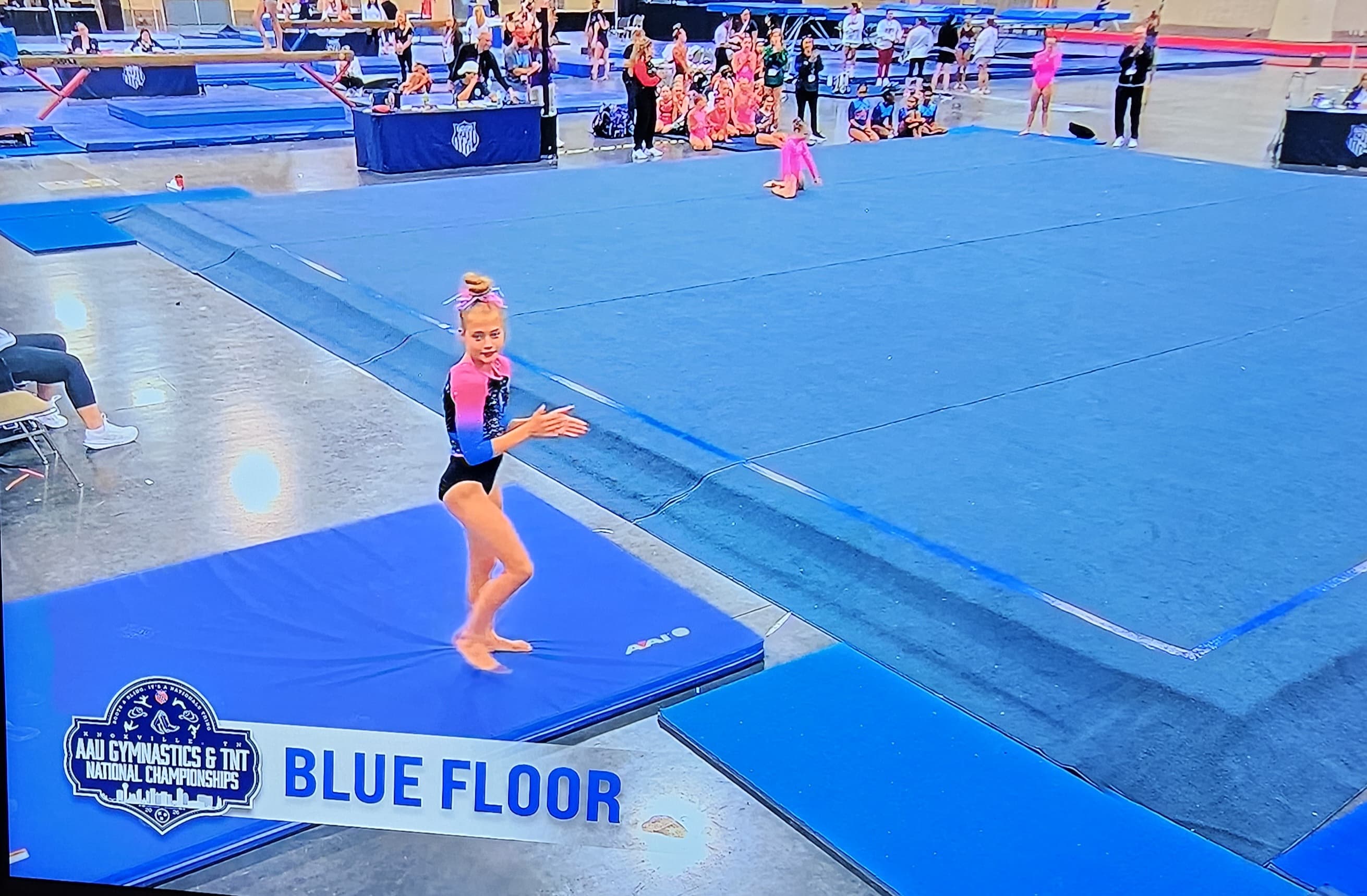
This week I sat in a convention center in Knoxville, Tennessee surrounded by hundreds of gymnasts from across the country.

One by one they saluted the judges. Ninety seconds. Years of practice. Thousands of repetitions. Countless falls. Blisters. Tears. Mental blocks. Comebacks. Victories. Disappointments.

All distilled into a routine shorter than most commercial breaks.

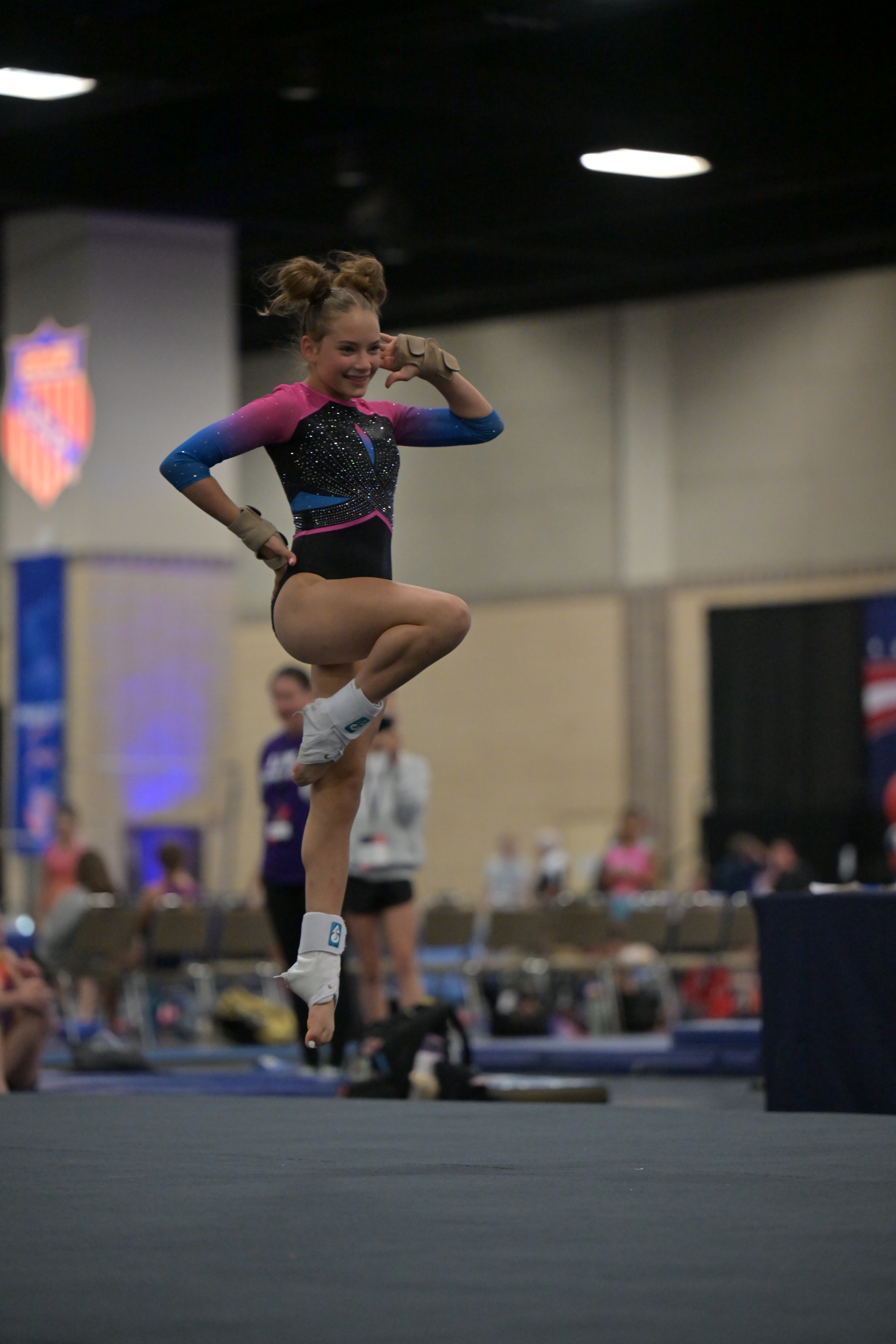
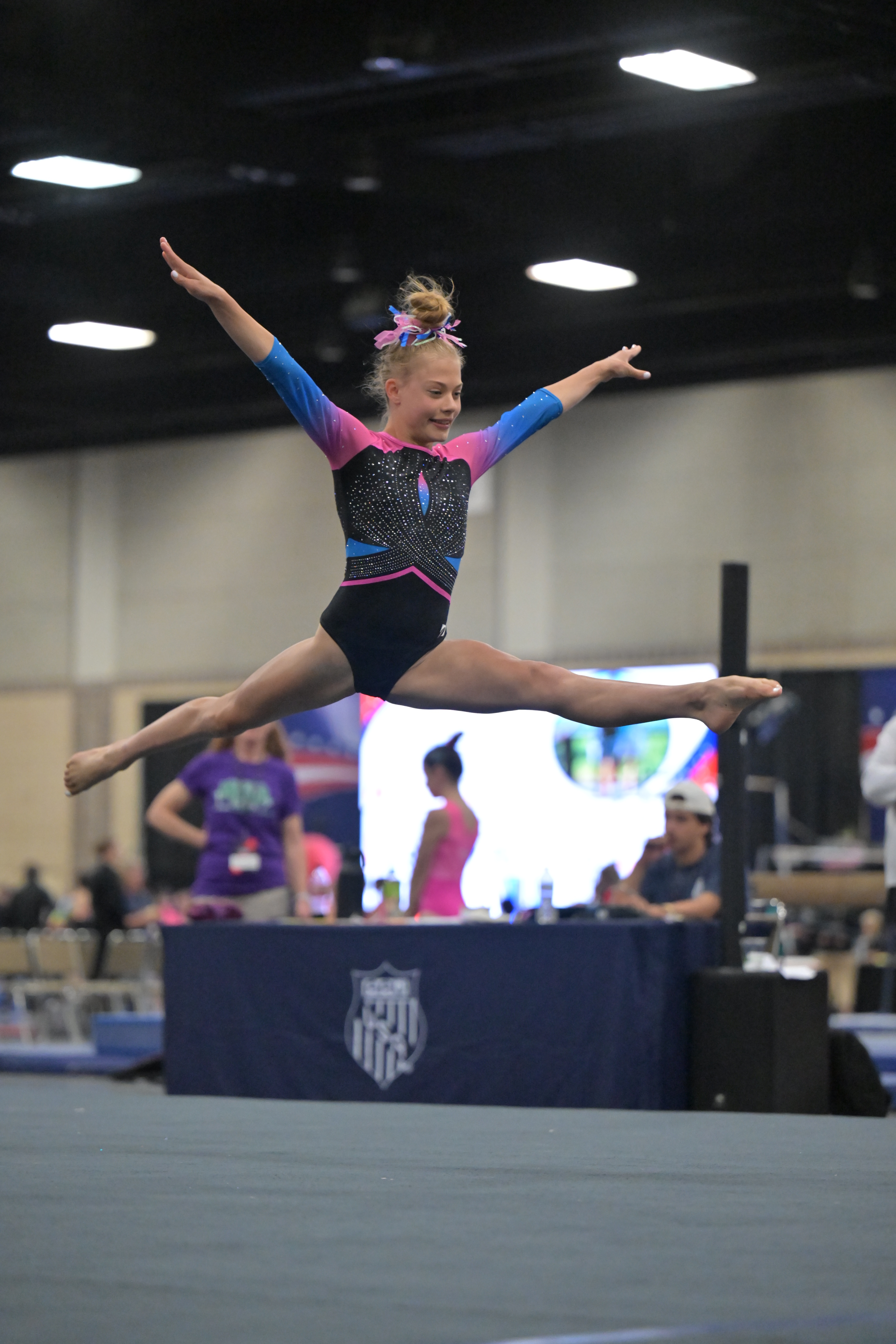
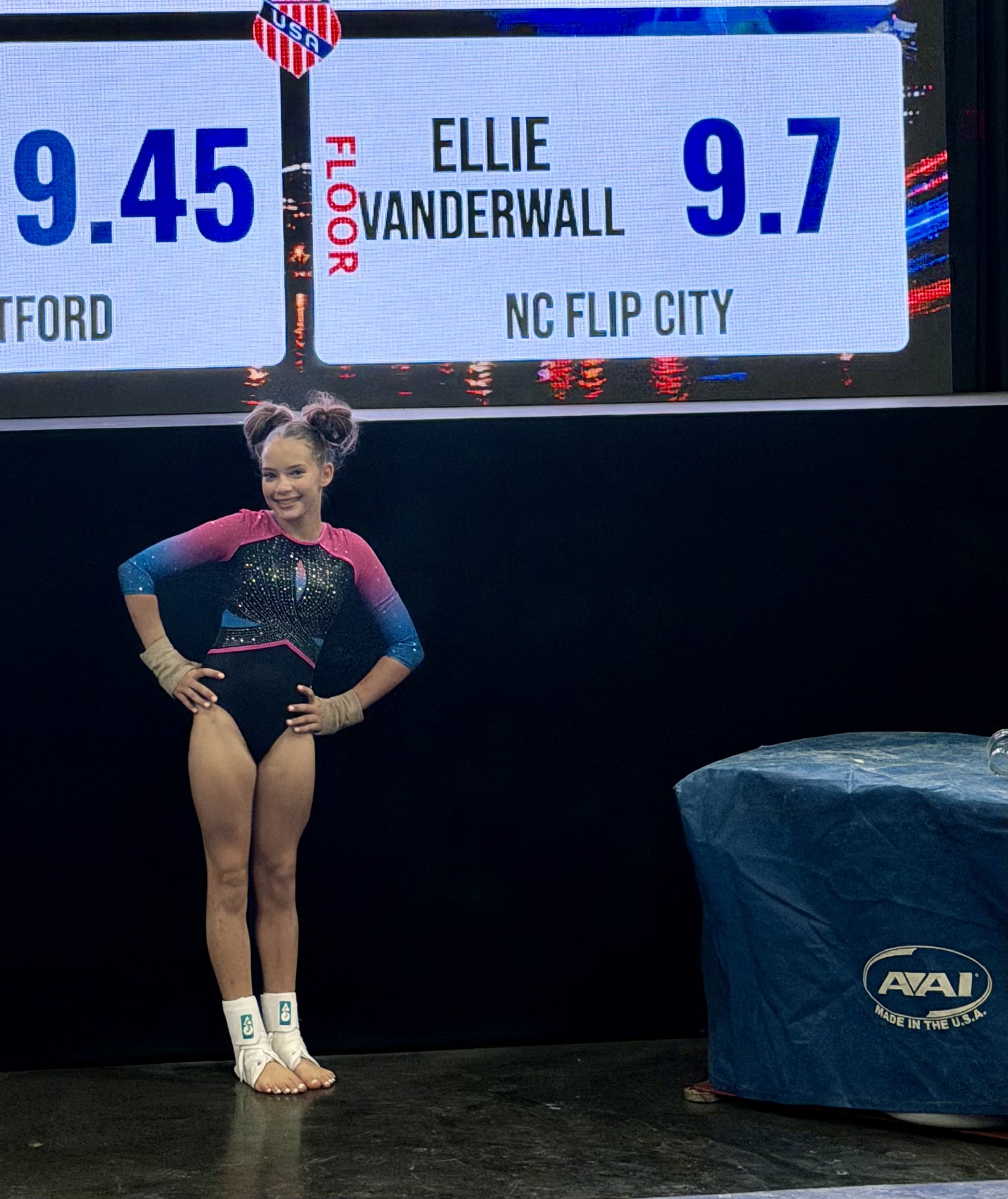
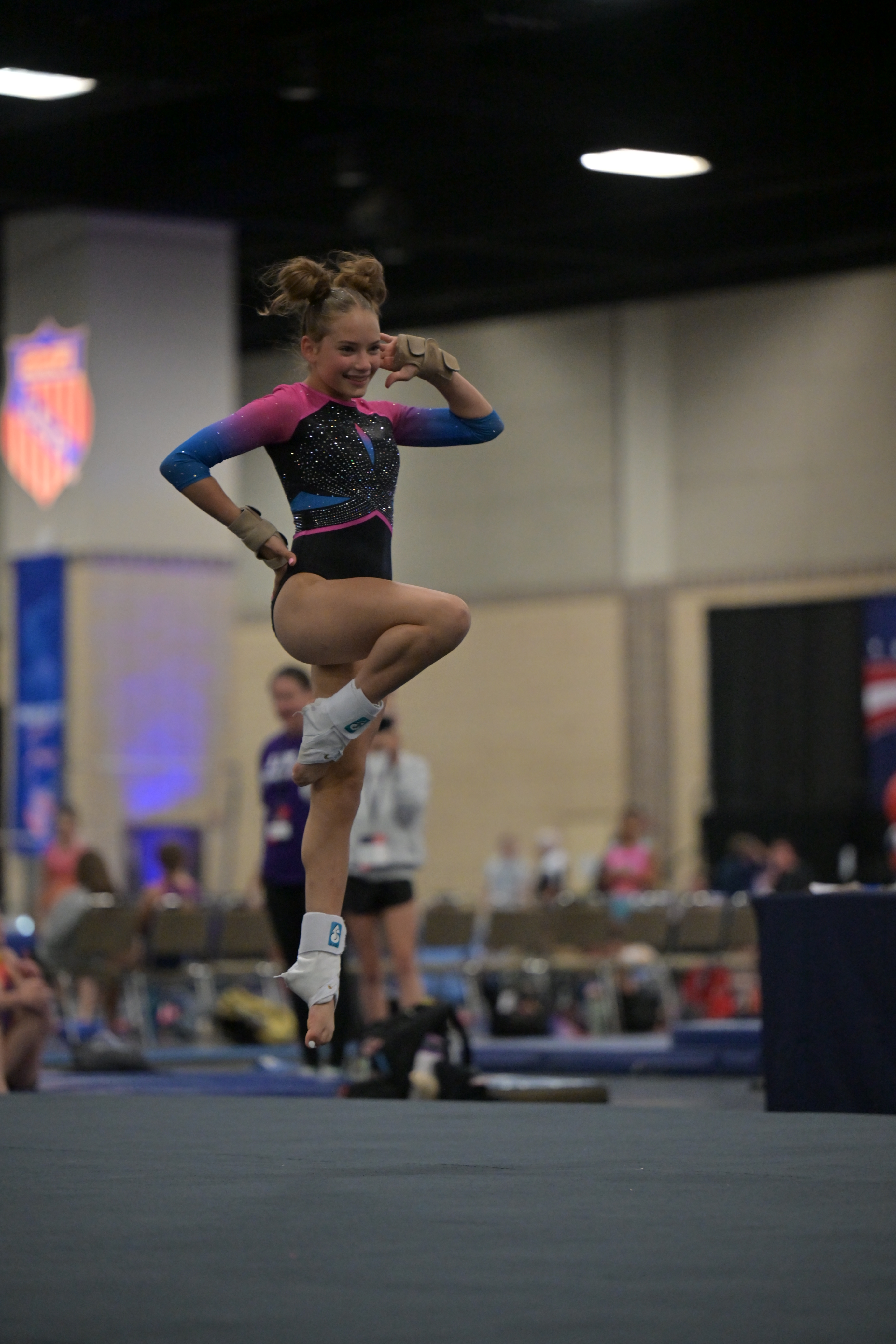
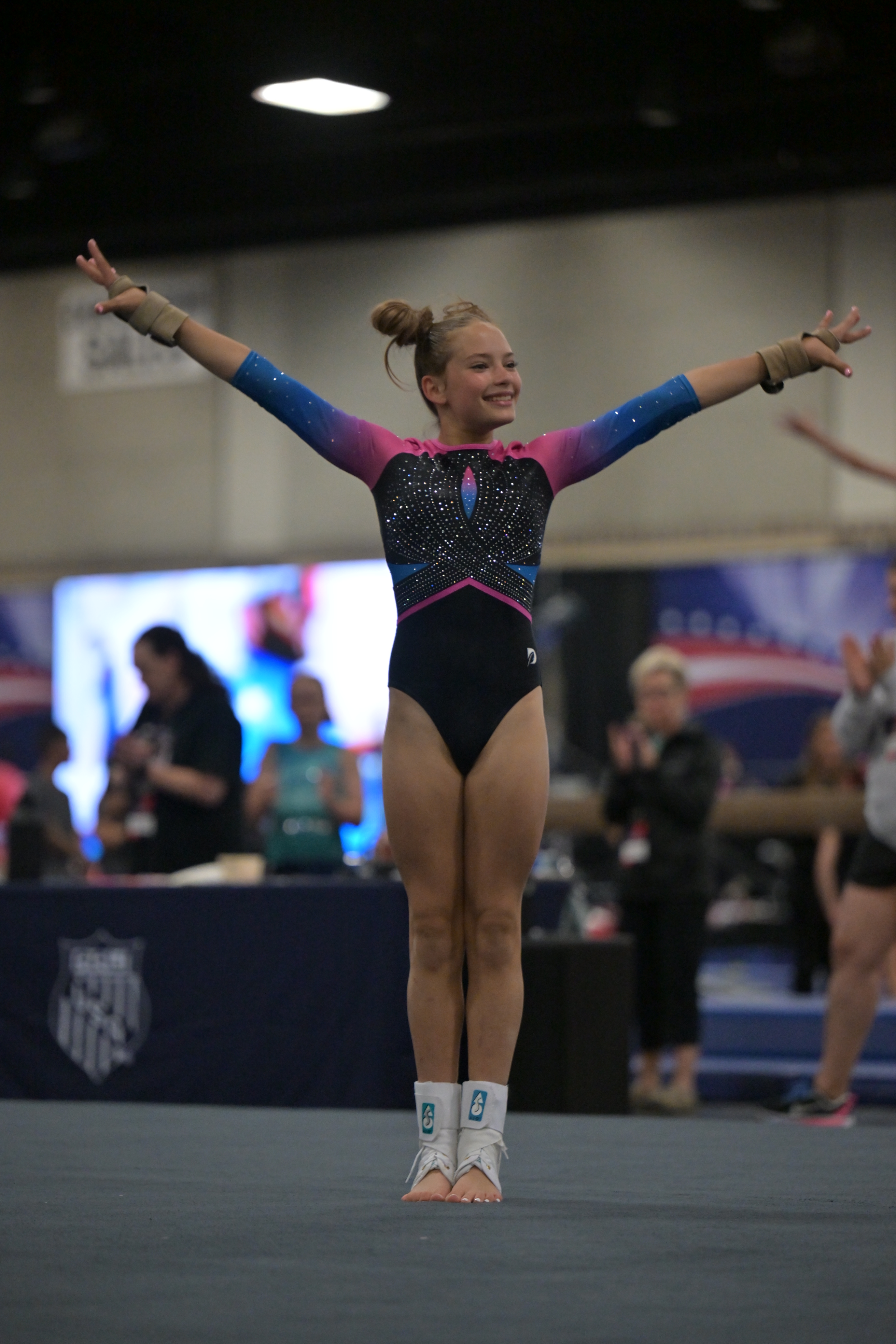
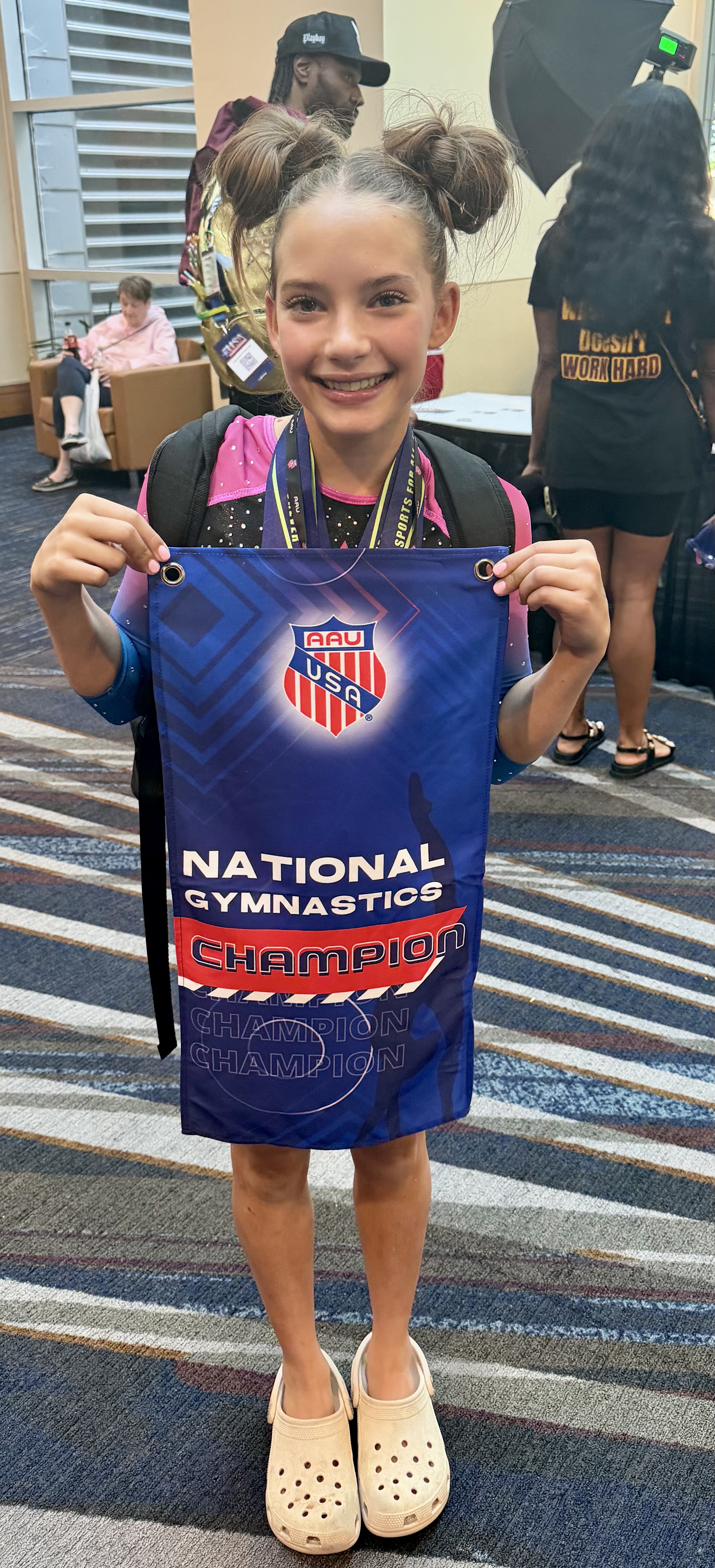
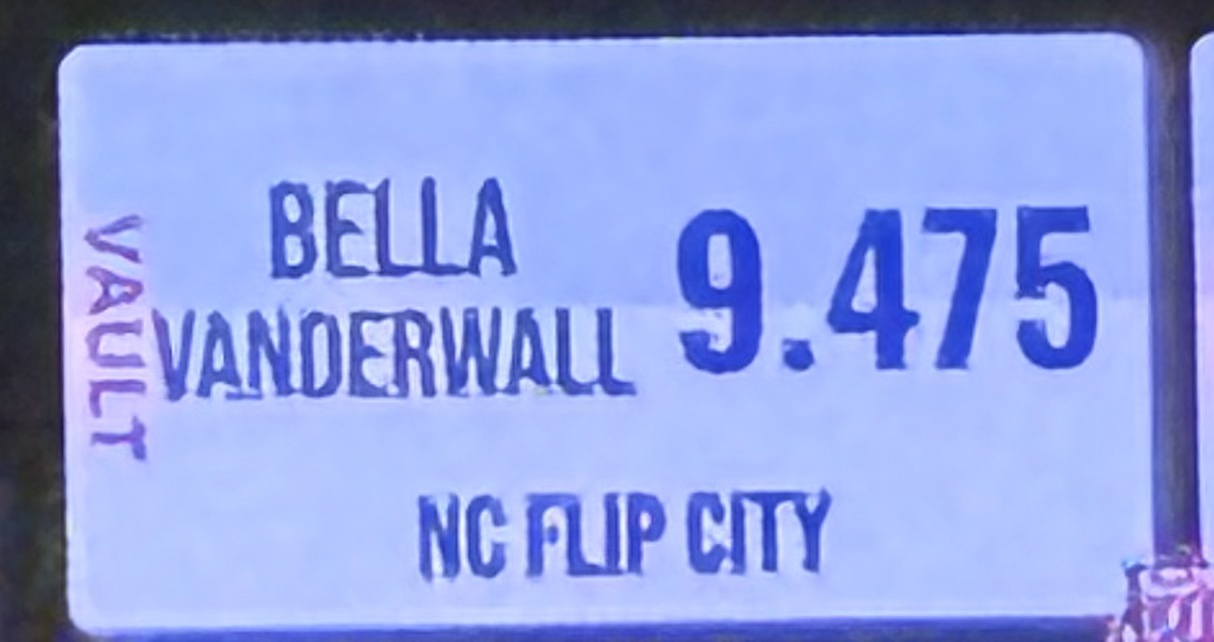
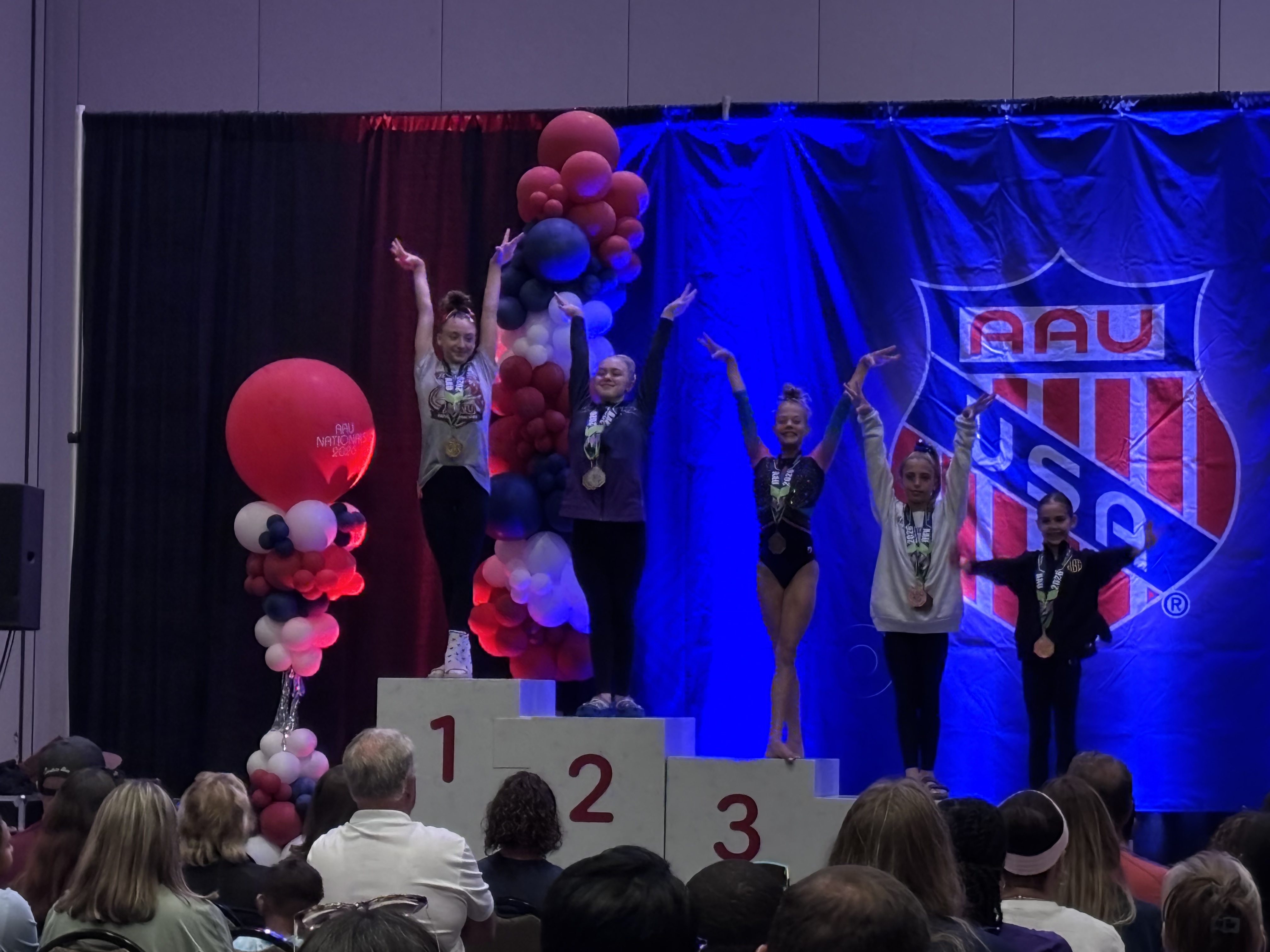
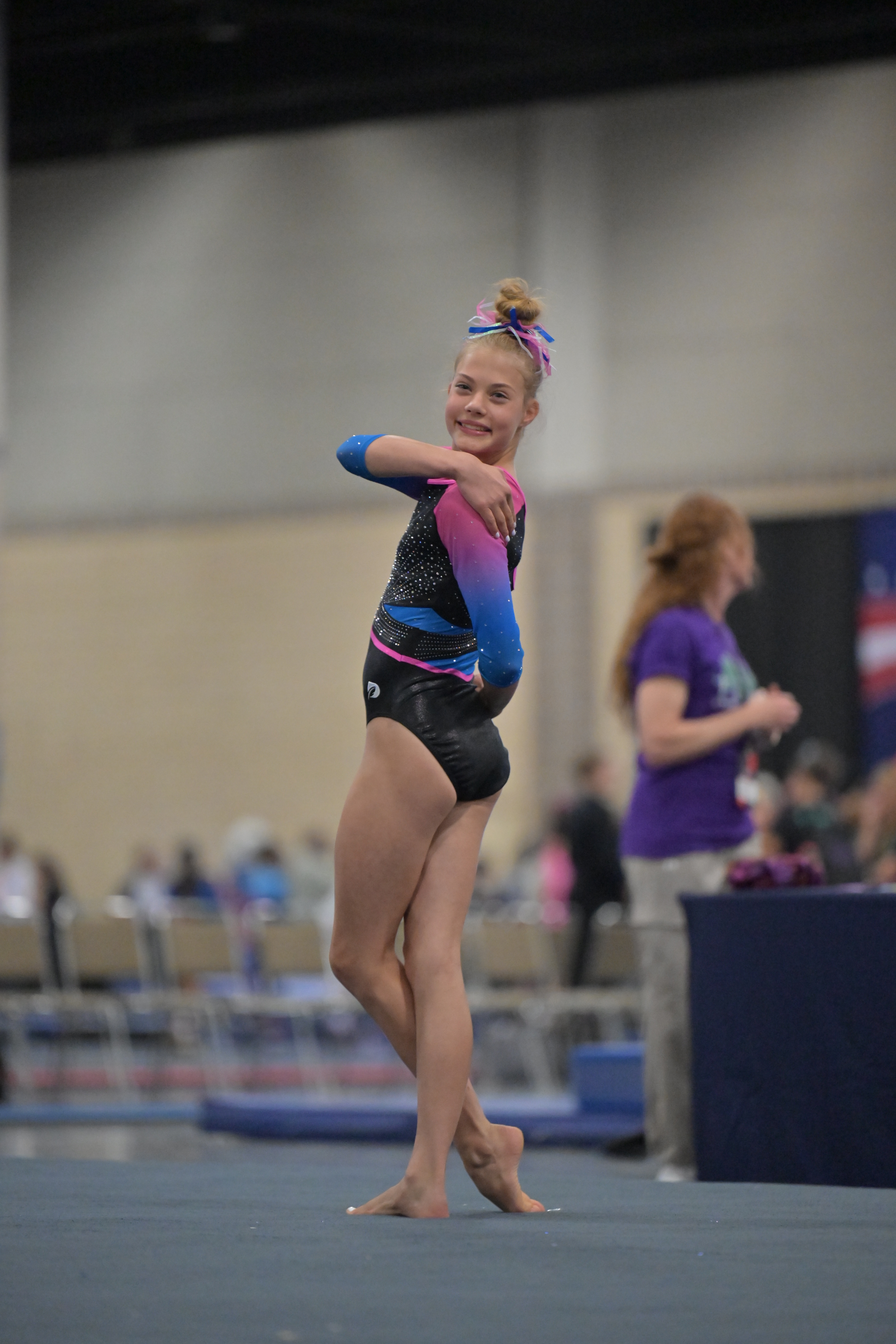
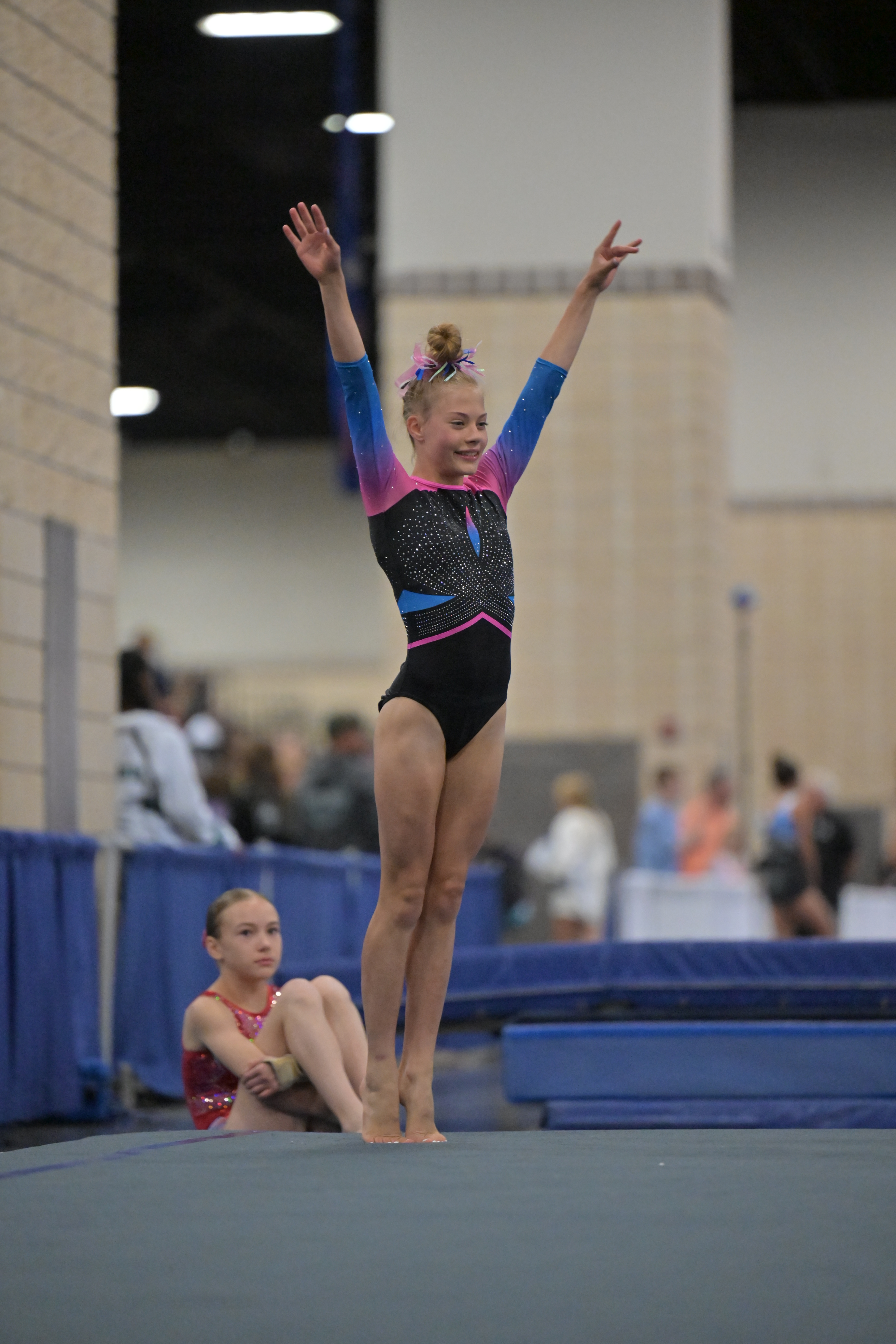
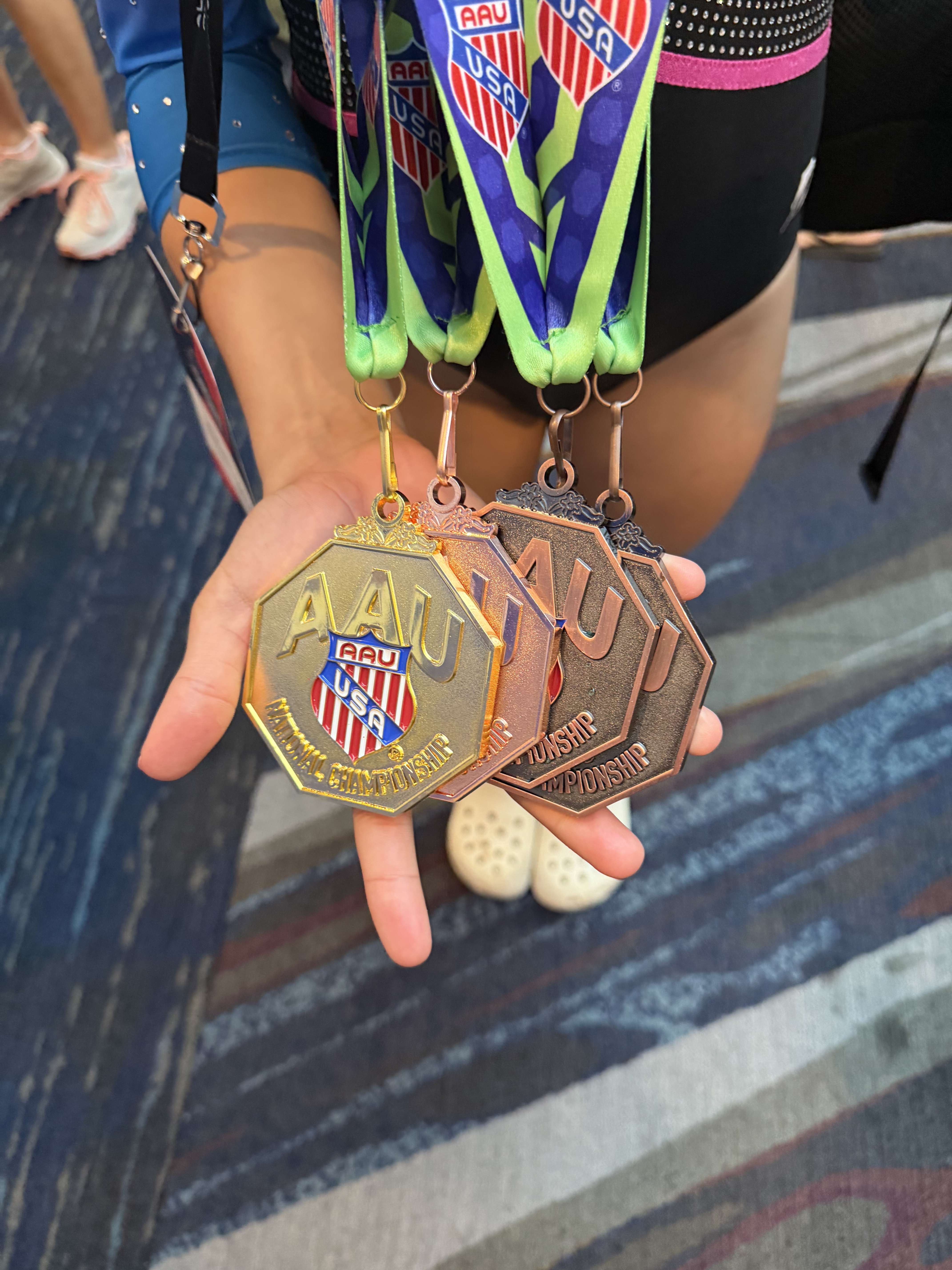
As I watched my daughters compete at the AAU National Championships, I found myself thinking less about scores and podiums and more about what gymnastics quietly teaches our children long before they ever receive a medal.

Because gymnastics isn’t just a sport. It’s an education in resilience.

The Imbalance That Teaches Balance

Few youth sports ask so much for so little time in the spotlight. Many competitive gymnasts train 15–25 hours each week. That’s hundreds of hours every season preparing for routines that last only seconds.

One wobble on beam.
One missed hand placement on bars.
One landing slightly off.

Months of preparation can change in an instant. And yet…

The next day they buckle their grips, tape their joints, chalk their hands, tighten their ponytails, and start again. What an incredible lesson for life.

More Than Physical Strength

Most people see the muscles. They notice the power. The flexibility on floor. The precision on beam. But what they don’t see may be even more impressive. The courage to throw a skill after falling. The confidence to compete while your heart races and their legs wobble from adrenaline. The discipline to practice the same movement thousands of times. The humility to accept coaching. The patience to trust that progress isn’t always linear and that their self-worth II not defined by their last rep.

These are not just athletic skills. They’re life skills.

The Four Pillars of Resilience

As someone who spends much of my career thinking about health, care models and system that promote holistic well-being, gymnastics reminds me that flourishing isn’t just about physical fitness. It’s about the whole person.

Physical resilience is built through strength, flexibility, balance, coordination, endurance, fueling, recovery, and learning how to care for your body.

Mental resilience grows every time an athlete chooses courage over fear, focuses after a mistake, or learns to quiet the voice that says, “What if I can’t?”

Emotional resilience develops when disappointment becomes determination, when frustration gives way to persistence, and when success is celebrated without letting it define your worth.

Social resilience is found in teammates cheering louder than anyone else even if it meana trading spots on the podium, coaches who believe before athletes believe in themselves, families who spend weekends traveling together, and friendships forged through shared challenges.

These young athletes aren’t simply learning gymnastics. They’re learning how to navigate life.

Behind Every Routine

People often ask about medals. I think about the mornings that started before sunrise. The long drives. The endless affirmations and behavioral coaching to break the cycle of unhealthy thoughts.

The braces and wraps. The grips. The ice packs. The stretching routines. The pep talks in the parking lot. The heart hands from across the gym that connect our souls and fuel confidence.

I think about coaches who refuse to lower the bar because they know these girls are capable of more. I think about parents learning to say, “I’m proud of you,” regardless of the score. I think about teammates who erupt with joy when someone finally lands the skill they’ve been chasing for months. That’s the part spectators rarely see. And maybe it’s the most beautiful part of all.

Wisconsin Has Something to Celebrate

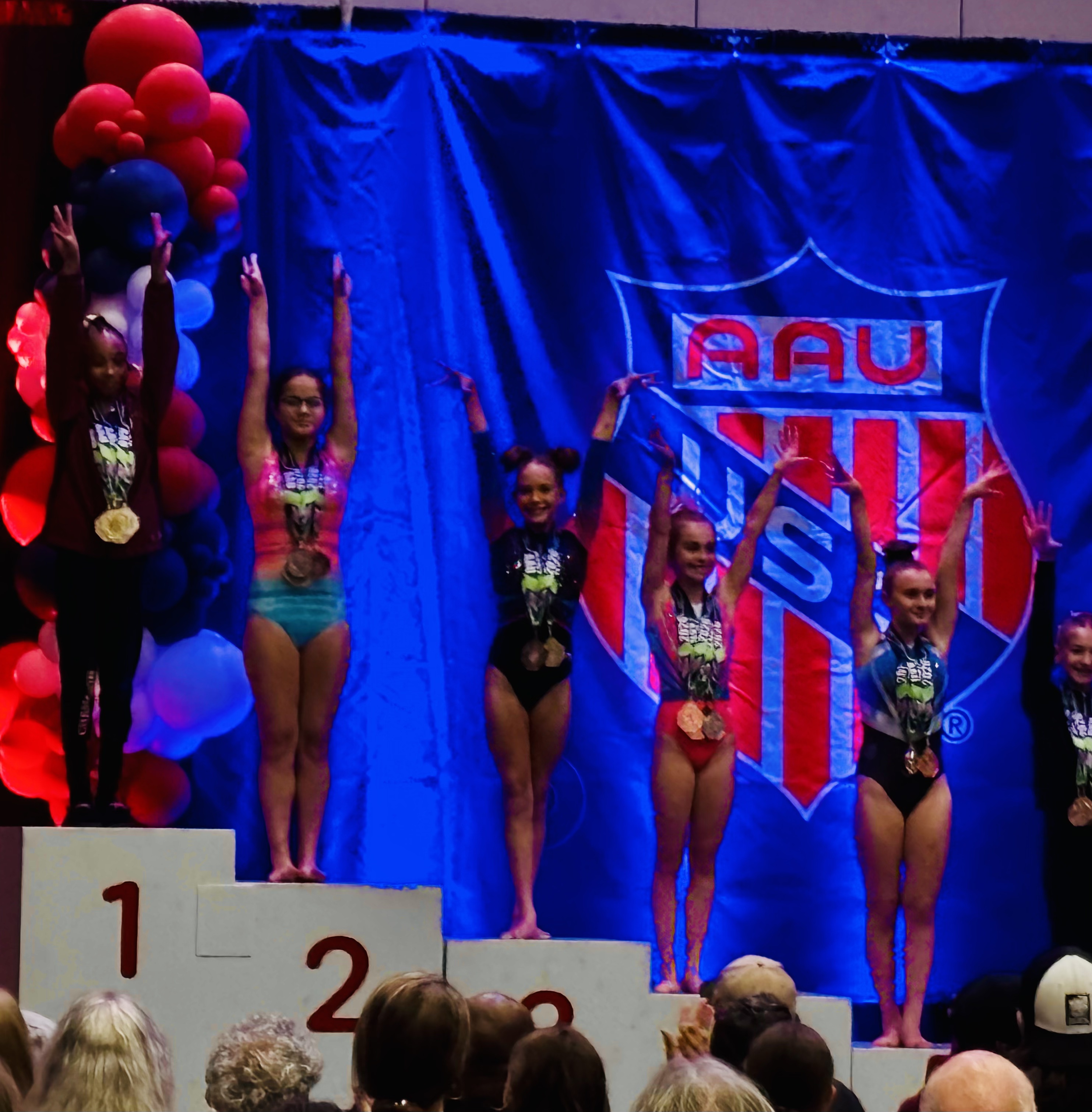
This month, athletes from Flip City Gymnastics, Hartford Gymnastics Academy, Ultimate Performance Gymnastics, and other Wisconsin clubs represented our state with heart, determination, and grit at the AAU National Championships.

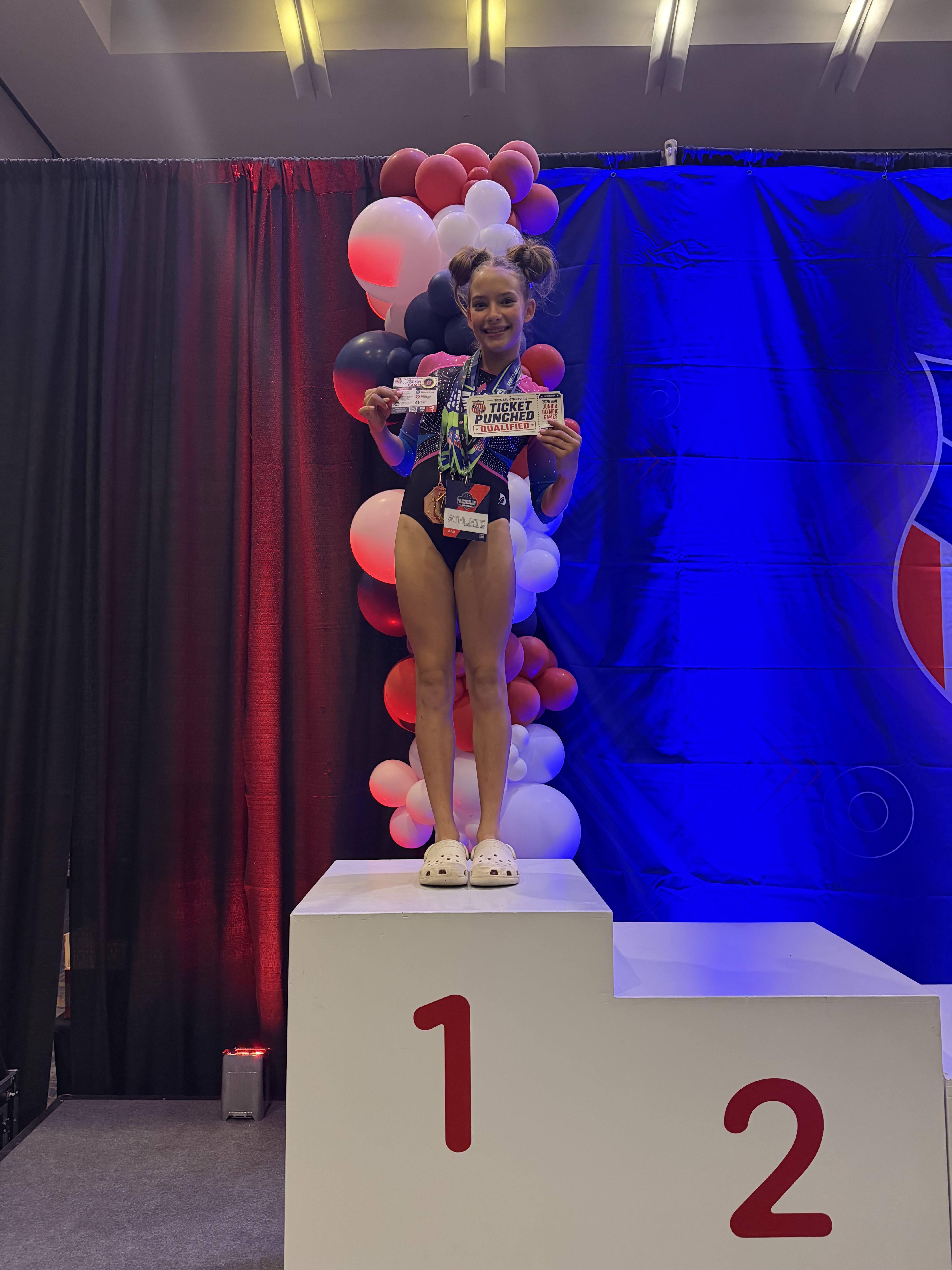
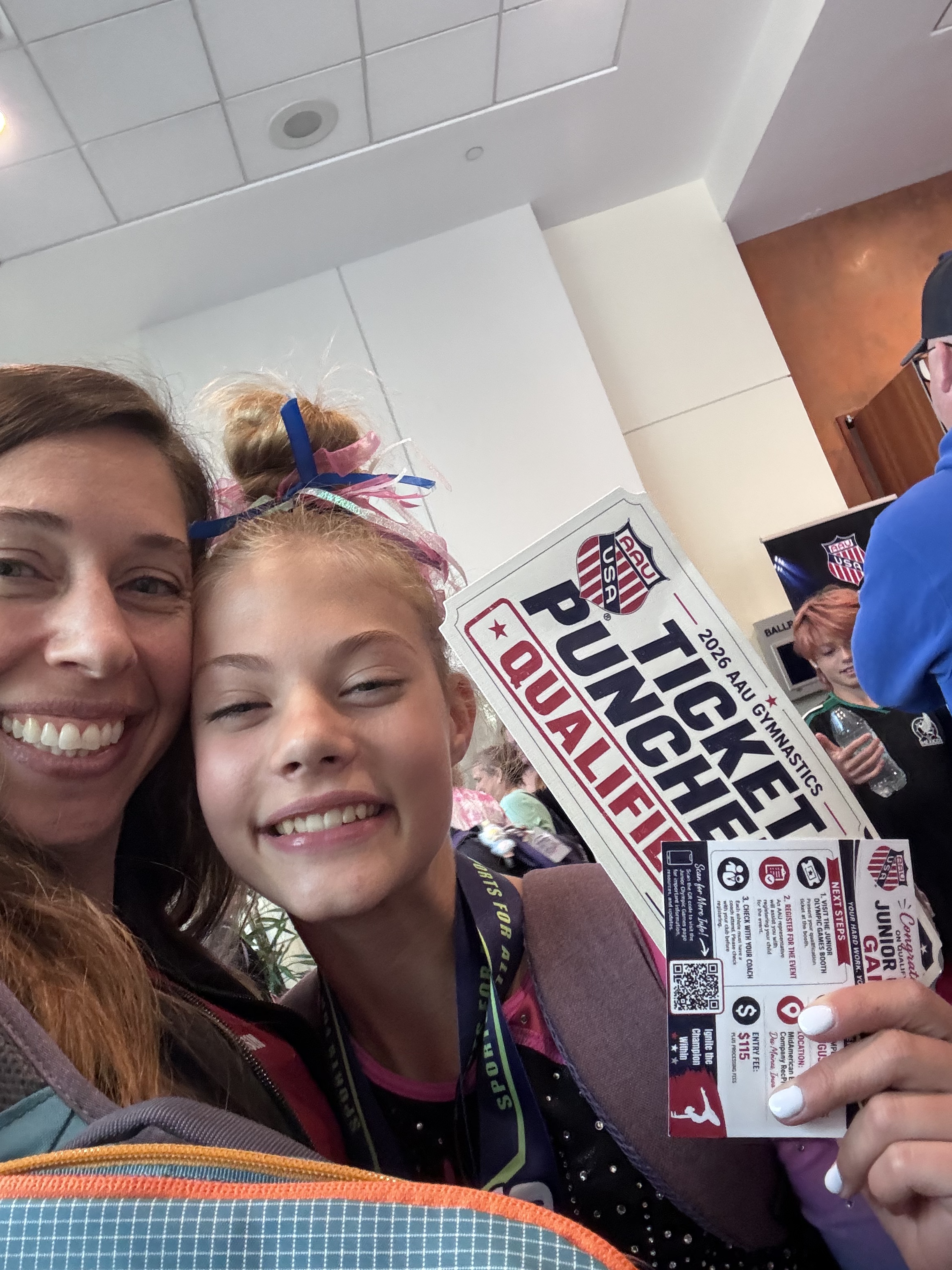
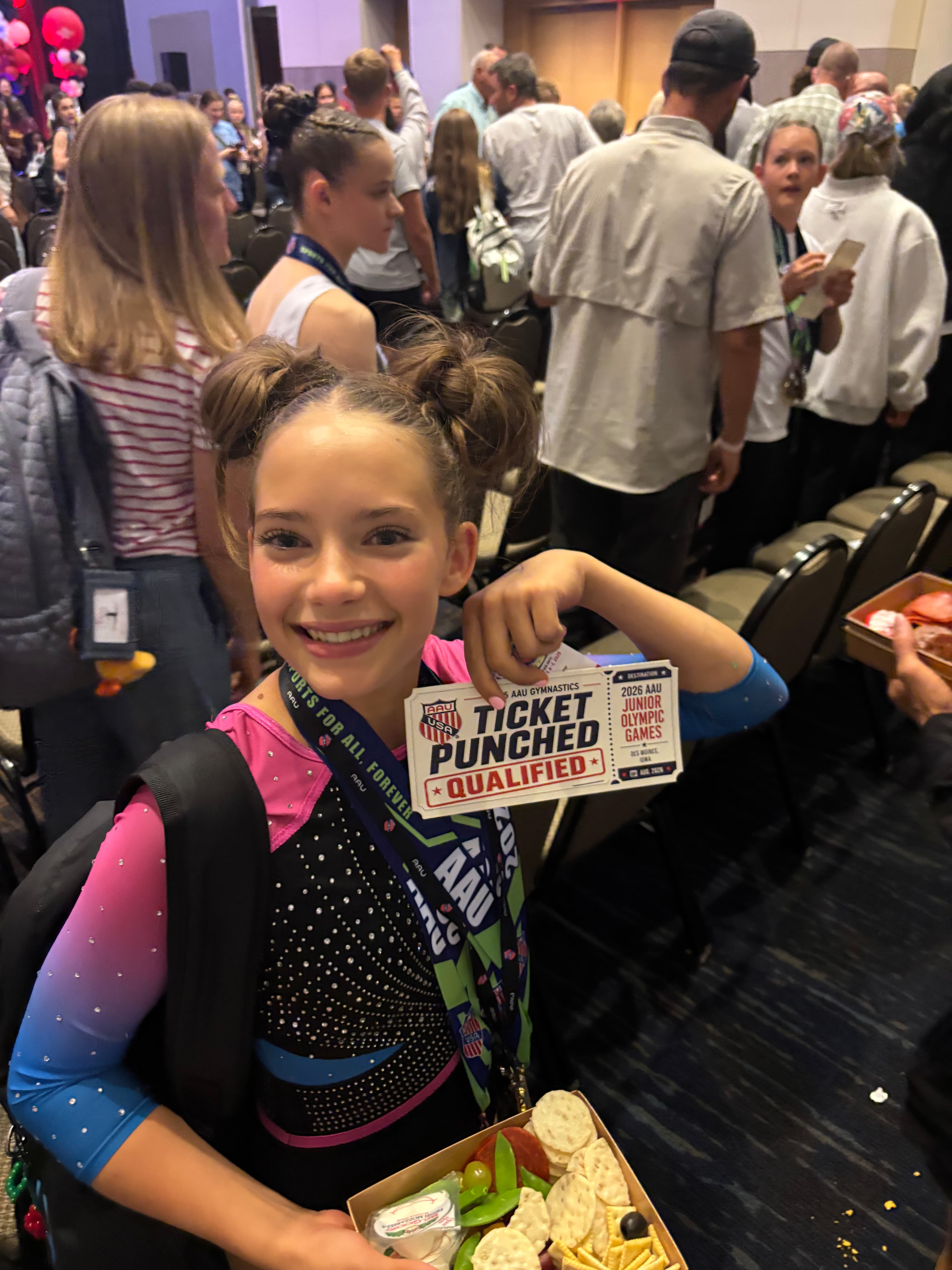
I’m especially proud that several Wisconsin gymnasts including two from our own family earned qualification to the AAU Junior Olympic Games this August in Des Moines, Iowa. What an incredible accomplishment. Not because they qualified. Because they became the kind of young women who were willing to do the work long before anyone was watching.

To the Girls

If you’re reading this someday, I hope you remember this:

Your score will fade. Your medals will eventually collect dust. But your character That stays.

The resilience you’ve built inside the gym will carry you into classrooms, careers, relationships, parenthood, leadership, and every challenge life places before you.

No judge can score that. And no one can ever take it away.

So here’s to every gymnast stepping onto the competition floor this August. Wisconsin is cheering for you. We’ll be cheering even louder for the women and men you’re becoming.

Now let’s rally behind these incredible athletes as they head to the AAU Junior Olympic Games in Des Moines!

Leave a note of encouragement in the comments, share this post to support Wisconsin gymnastics, and help these young women feel an entire community standing behind them as they take the national stage.

Gallery

Why I had to write this Book

I remember the moment, those two lines appeared. We locked eyes realizing life just changed.

I remember the “2-week wait” which felt like forever. The kind of forever that a child feels as they await each minute until their birthday party, or the kind of wait when there’s silence in the room. The wait of not knowing what they’ll say, what it all means, what’s next.

I remember the drive to the fertility clinic that day in March which was clouded with anticipation, fear and wonder. We hadn’t planned this. There was no IVF. But we had a hint that something unordinary was around the corner given that my initial HCG was 493 and then jumped to 1333 just 4 days later.

I remember the ultrasound room. The technician’s cold hands, the even cooler jelly on my belly. I remember the feeling as they scanned the landscape as if we were explorers uncovering new treasures with each inch of the wand’s movement across my stomach.

I remember the silence before the technician spoke and the sinking feeling as she counted. I remember realizing my life would never return to singular – we were in the era of the plural. The us became a we. It was no longer yours and mine. It was ours.

I have narrated the stories and life lessons in this blog for more than a decade. It has become more than a journey from a bump to baby(ies). This story is about the journey we all take from surprise to confidence, from disorganized to-do’s to controlled chaos, from fear to surrender.

Parenting and caregiving focuses on the bundle(s) of joy but we need to create space to grow, too. We are called to transform with them through every age and stage. Bump to Baby(ies) isn’t just about pregnancy and parenting. It’s about what happens when life multiplies faster than your capacity feels ready for.

This is my why for breaking the blog out of it’s box and into a book. That’s right, I’m birthing a book!

Over the next few weeks, I’ll be sharing pieces of this journey as the manuscript heads to final edit and then on into the hands of those who I hope and pray will blossom from its message.

Looking Back at Bella (2024-2025)

She may move at sloth speed – but don’t be fooled. Bella is not only the fastest quint, her pace of life is also her superpower. Her steady stride lets her soak in the world in ways most people miss: every butterfly that flutters by, every golden sunset, every emotion written on someone’s face.

Rooted in deep faith and fueled by passion, Bella brings beauty, grace, and grit to everything she does; whether it’s mastering a tough gymnastics routine, acing a class project, or raking the yard like a champ. Bella doesn’t just do the job – she does it with heart.

Here’s to 12 years of wonder, wisdom, and a soul that sees magic where others rush by!

Looking Back at Bella (2024-2025)

Looking Back at Bella Archive

Looking Back at Theo (2024-2025)

Quiet strength, endless curiosity, and a heart full of kindness – that’s our guy – Mr. Theo. Whether he’s dropping dimes on the gridiron, making a gold glove play at second, or casually dropping a fun fact no one asked for (but everyone enjoys), Theo always brings his A-game.

Growing up with four sisters might make some boys fold – but not this one. He’s the calm in our chaos and the MVP of being a brother, son and a friend.

Let’s celebrate the boy who’s always got a ball in one hand and lending the other to someone in need, all with a big smile on his face!

Looking Back at Theo (2024-2025)

Looking Back at Theo Archive

Looking Back at Theo Archive

Looking Back at Kali Mae | 2023-2024

Full of fire and determination, Kali Mae pours her heart into everything she does, giving 100% in all her endeavors. She loves deeply, tries tirelessly, and feels intensely. With a tender heart and a radiant smile, she has the power to light up any room with her bright eyes. She is our sunshine, spreading warmth and joy wherever she goes!

Looking back at Kali at 10 years…

Looking Back Archive…