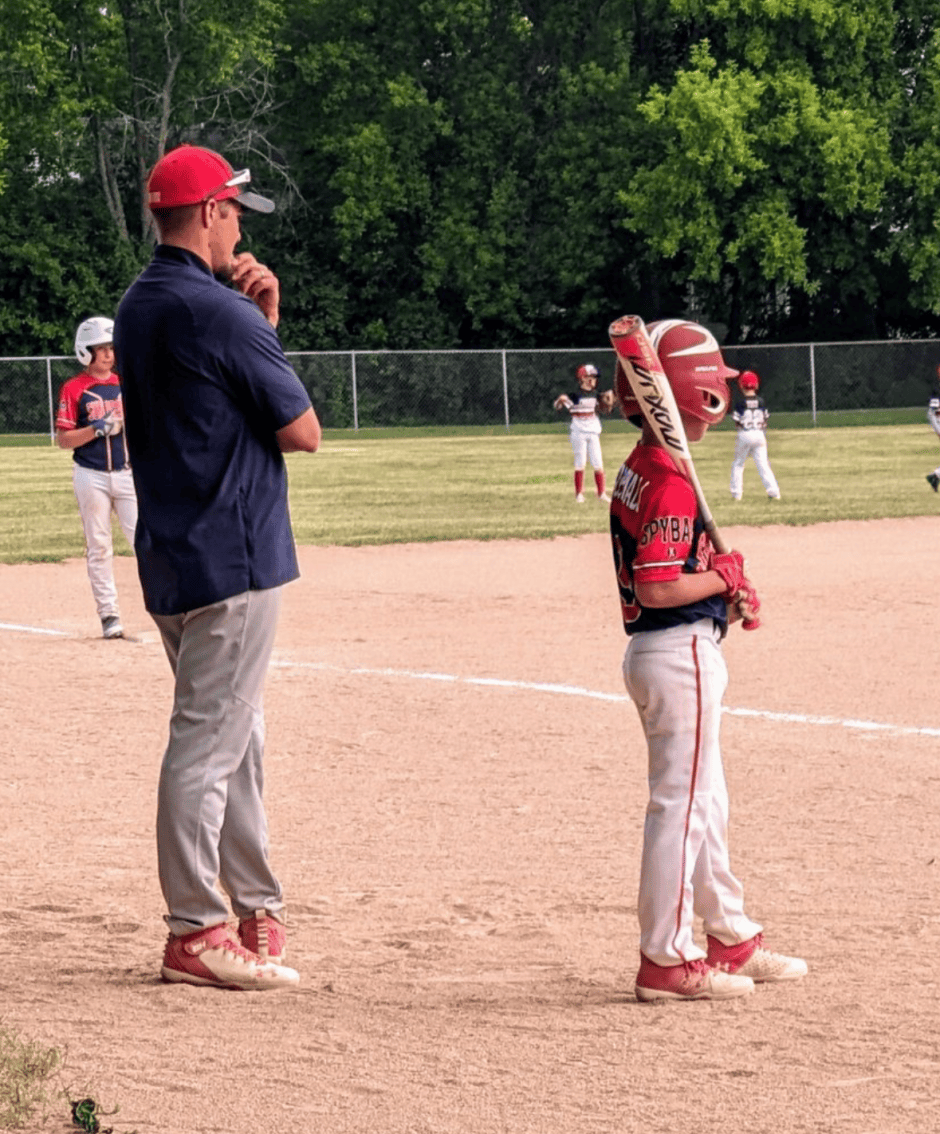
Bringing CALM to the Sidelines

There’s a moment right before every season when the whole house shifts. The calendar fills up, the gear comes out of the closet, and the car starts to smell a little like a locker room. In our house, our kids spend long hours throughout the year on the field or in the gym, and I can feel these shifts coming weeks ahead.

As a registered dietitian, I could talk about fueling our family all day. If you’re looking for the food side of season prep, my earlier post, Feeding the Growing Athlete, covers fueling for busy practice weeks. Today, let’s focus on the heart. I want to talk about something that shapes every practice, game, and meet just as much: how we show up for our athletes as caregivers. That’s where the CALM framework comes in. I introduced the CALM parenting framework in Baby(ies) to Big Kids, and we use it at home, in the car, and on the sidelines. 
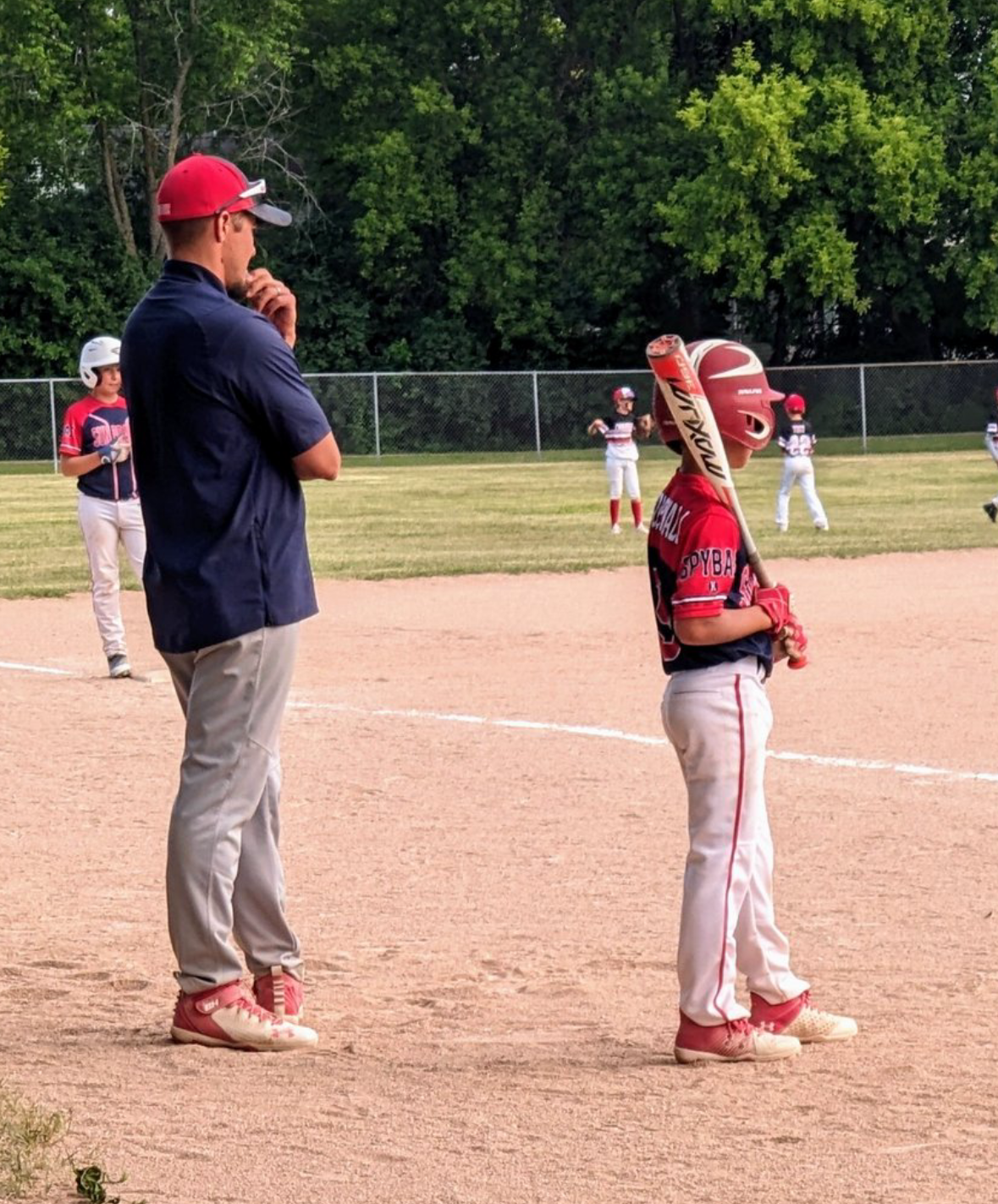
Stay Curious

Parents often toe the line of a coach. Those lines blur when caregivers coach their own kids, and some of you do, with a whistle around your neck and a clipboard in the car. But most of the time, we have a different role. Our athletes already have someone telling them what to fix. What they need from us is someone who wants to understand them.

Curiosity builds trust, and trust keeps the door open. When the car door closes after a game, it’s tempting to start with instruction (“You needed to follow through on that swing”) or assumption (“You must be so frustrated”). Instead, try leading with a question:

  • “How did that play feel for you?”
  • “What did you notice out there today?”
  • “Which play or event are you most proud of?”
  • “Is there anything you want to talk about, or do you want quiet for a bit?”

That last one matters. Sometimes curiosity looks like giving space and trusting they’ll come back when they’re ready. When we ask first, we learn what our kids actually experienced, which is often different from what we saw from the bleachers.

I definitely continue to stumble through this principle, especially letting my assumptions infuse my questions. I’m lucky to get a quick reminder when I do, because my kiddos speak up and usually ask, “Why would you think that?” This honest feedback helps me explain my perspective and quickly course correct to staying curious a little longer.

Remember, we’re not aiming for perfection; we’re all works in progress.
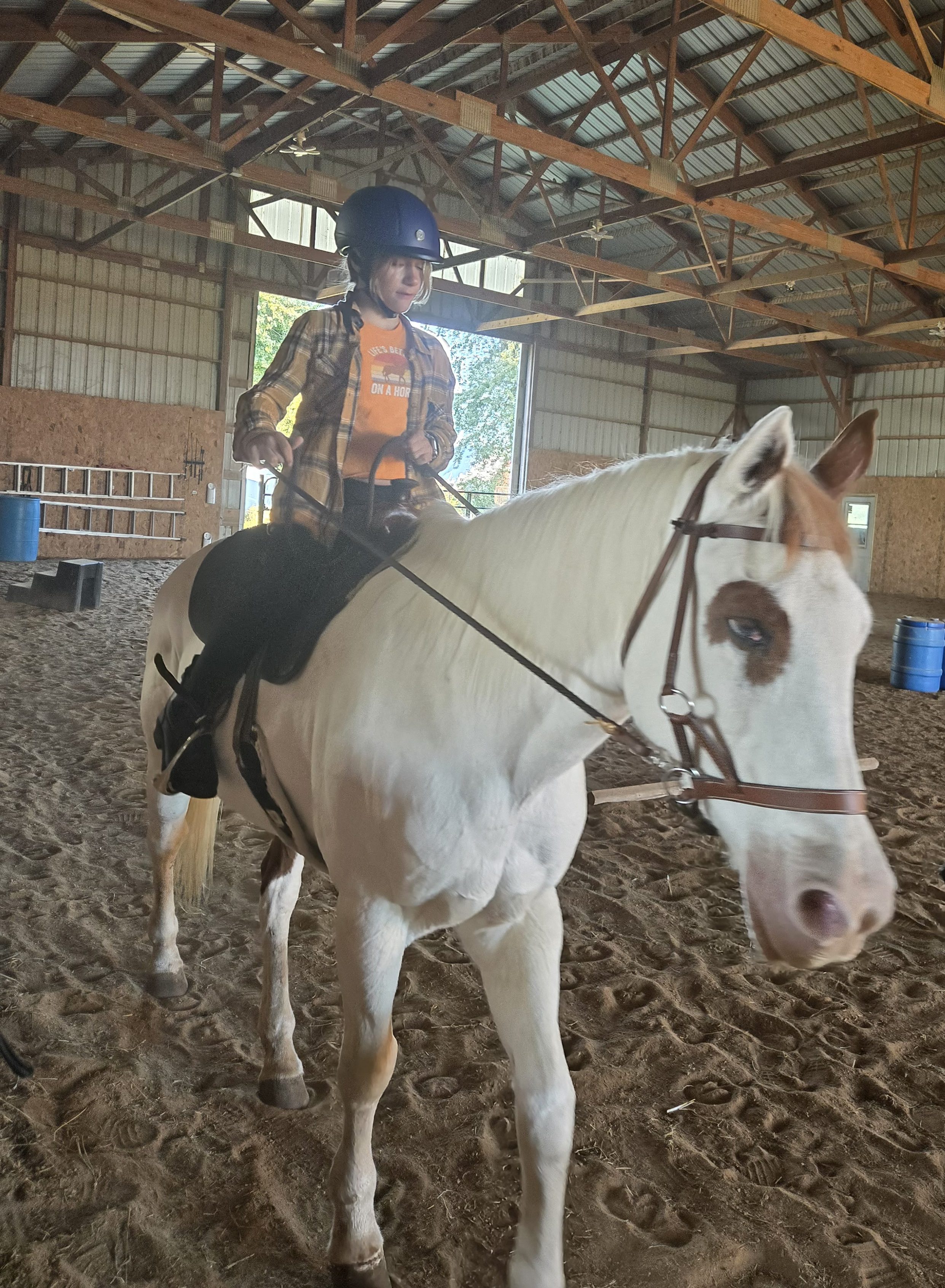
Anchor in Routine

Map the season before the season maps you. When the schedule runs us, everyone feels it: short tempers, rushed dinners, forgotten water bottles, and late nights that bleed into hard mornings. Routines don’t take the fun out of a season. They give kids a steady place to land.

Before the first practice, sit down together and look at the whole season:

  • Put every practice, game, meet, and travel weekend on one family calendar.
  • Mark the pinch points, like late practices, early mornings, and back-to-back days.
  • Decide ahead of time which nights are simple-dinner nights and which ones will need fast food to pinch-hit.
  • Build a night-before routine: bag packed, uniform or leo ready, water bottle filled, snack in the bag. If it’s the night before a game, it’s often helpful to talk through the pre-game meal since many young athletes already know which foods sit well before they compete.
  • Protect a wind-down routine on late nights so sleep still happens. We love incorporating visualization into these routines to help our athletes walk through their points of worry and start to paint the picture of how they define success. 

Let kids own pieces of the routine based on their age. Teens can pack their own bags and check the calendar themselves. That ownership builds confidence that carries onto the field, the court, and the mat.

Routine also gives you predictable moments to connect. The drive home, the post-practice snack, and the bedtime check-in become anchors your athlete can count on, win or lose.

Lead with Language

Sports bring out big feelings fast. In a single inning, a kid can feel pride, guilt, shame, embarrassment, and anger. When kids don’t have words for those feelings, they tend to come out sideways: slammed doors, tears on the field or in the car, or going quiet for the rest of the night.

We can help by giving them language. Naming a feeling makes it easier to understand and easier to move through. Here are a few that show up often in sports:

  • Pride: “I worked hard for that, and it showed.”
  • Guilt: “I feel bad because I think I let my team down.”
  • Shame: “I feel like I’m not good enough.” This one needs extra gentleness, because it’s about who they are, not what they did.
  • Embarrassment: “I didn’t want everyone to see me mess up.”
  • Anger: “That call felt unfair, and I’m mad about it.”

Growth mindset tips for naming feelings in a healthy way:

  • Separate the feeling from the person. “I made a mistake” is different from “I am a mistake.”
  • Add the word “yet.” “I can’t stick that skill yet” leaves room for growth.
  • Normalize the feeling. Big feelings mean they care, and caring is a good thing.
  • Ask what the feeling is telling them. Frustration might mean “I want to get better at this.”
  • Pair the feeling with a next step. “I’m disappointed, and tomorrow I’ll ask my coach what to work on.”
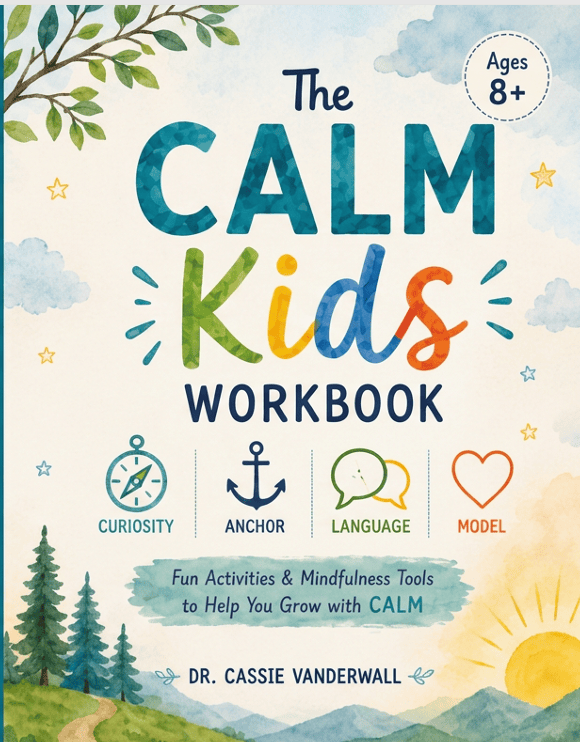
The CALM Kids Workbook gives kids their own tools to name and work through big feelings from sports, school and home.

In our family, we navigate mental health challenges and neurodiversity. These challenges don’t remove the need for a growth mindset. They often amplify it, because it’s easy to fall into a fixed mindset or even a victim mentality. We see these differences as a call to be a bit more considerate because words matter a lot, especially in a family of teens where minds can be really sticky and have a propensity to latch on to harsh words and criticism. To prevent these narratives from turning into game film that they’ll run over and over in their mind’s eye, we do our best to lead with language and communicate directly so no one is left guessing.

Model Emotional Regulation

This one is for us. It’s easy to get heated at a ref, an umpire, a coach, or another player. We love our kids, and passion runs high in the stands. But our athletes are watching how we handle big moments, and they learn more from what we do than from what we say.

Modeling emotional regulation doesn’t mean we stop caring or sit silently on the sidelines. It means we show our kids how to feel a big feeling, filter it, and respond in a way that’s still appropriate. We can stay passionate and still stay kind.

  • Notice it: “I’m feeling really frustrated with that call.”
  • Pause: take a breath, stand up, or walk a few steps before reacting.
  • Filter it: ask yourself whether what you’re about to say helps your athlete or the team.
  • Choose your response: cheer for effort, clap for both teams, and save concerns for the right time and the right person.
  • Repair when needed: if you lose your cool, own it later. “I got too heated today, and I’m sorry. Here’s what I’ll try next time.”

That repair might be the most powerful lesson of all. It shows our kids that everyone has big feelings, and that we can make it right when we get it wrong. The CALM Parenting Workbook walks caregivers through these moments with practical tools you can use at home and in the stands.

Bringing It All Together

A strong season isn’t only about the scoreboard. It’s about kids who feel understood, supported, and steady, no matter how the game goes. When we stay curious, anchor in routine, lead with language, and model emotional regulation, we give our athletes something that lasts far longer than one season.

Here’s to a season full of growth, grit, and grace.

Ready to bring CALM home this season? Find Baby(ies) to Big Kids, The CALM Parenting Workbook, and The CALM Kids Workbook at https://bump2babies.blog/the-books/.

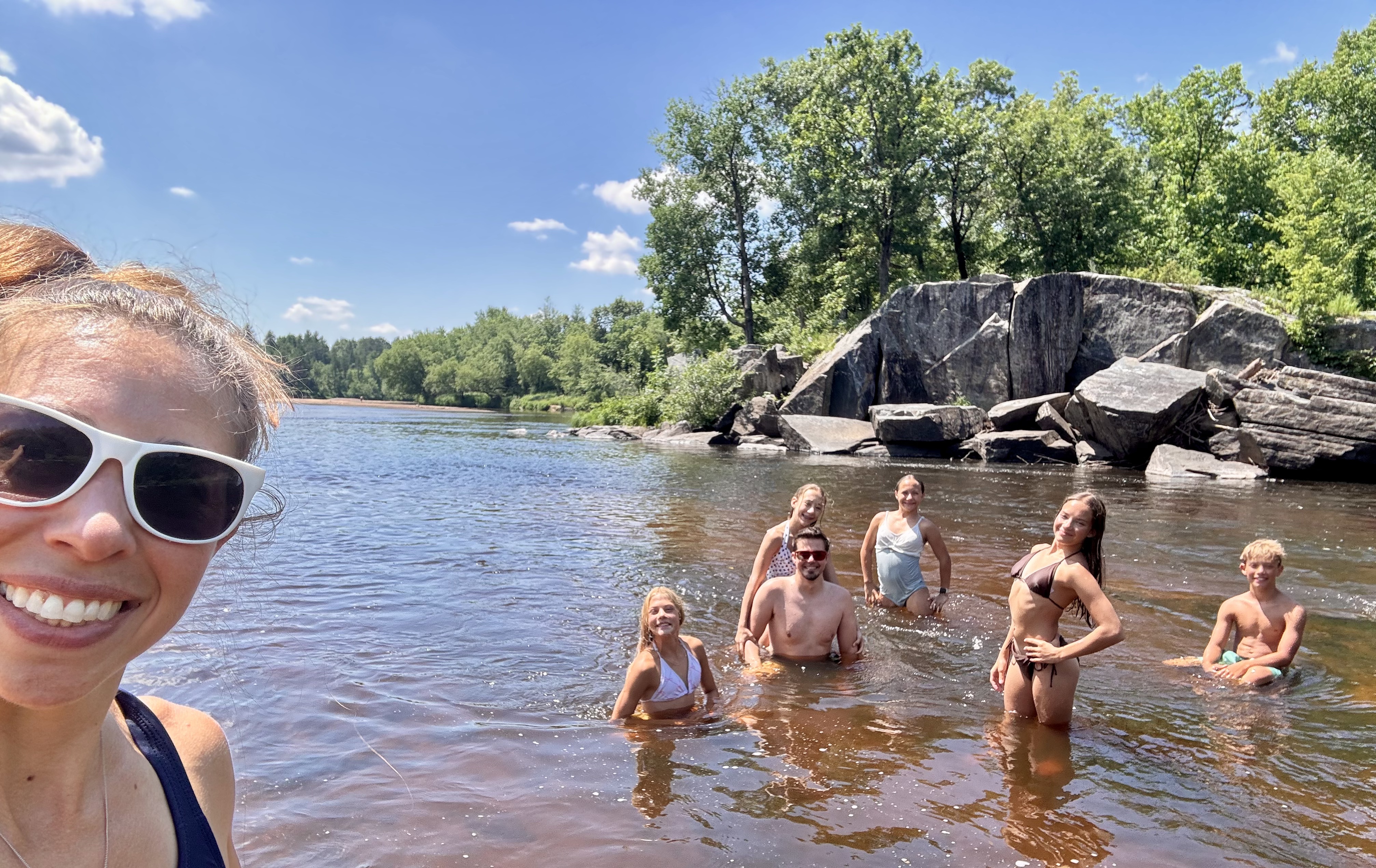
Looking Back after 13 Years

Every July I open the virtual photo albums and reminisce over the last 365 days. I smile, I cry, I chuckle, I think about the “what if’s” and let those worries go, and count my blessings: 1, 2, 3, 4, and 5. I compile photos that articulate where each member of the V5 started the previous year and who they became. I add photos I know that they’ll cherish and sprinkle in a few that I know will make them cringe but smile inside. Then, I listen to countless songs trying to find the right one that I know they’d listen to and think, “yep that was me at 13.” My favorite part of building these collages is watching them one-on-one with each of them. We always catch little mistakes the first time through and they beg for me to take a photo out but they typically stay. Each one ends with a side hug and kiss on their head.

Join me as we look at Theo, Bella, Lily, Kali and Ellie over the last year!

Happy 13th Theo!

Happy 13th Bella!

Happy 13th Lily!

Happy 13th Kali!

Happy 13th Ellie!

Ellie’s audio: How to save a life: https://youtu.be/cjVQ36NhbMk?is=RGcdU_DVxLikDQpT

From Baby(ies) to Big Kids: Thirteen Years of Becoming

This week, the V5 turn thirteen. Thirteen. I sat with that sentence for a minute because for so long, our story was defined by the beginning. The shock of discovering there weren’t one, two, or even three babies growing inside me but five.

The appointments. The preparation. The uncertainty. The NICU. Then, the bottles and diapers and feeding schedules. Five car seats. Five cribs. Five tiny people who somehow needed us all at once.

When I wrote Bump to Baby(ies), I told the story of how our family began. It was a story about pregnancy, surrender, survival, and discovering courage when life multiplied in ways we never could have imagined.

That first season passed quickly. The days were long but the years short. They became toddlers with opinions. Preschoolers with personalities. Elementary schoolers discovering friendships, sports, strengths, and struggles. And now, somehow, they are teenagers.

The Story After Survival

People have asked us versions of the same question since the kids were born: How do you do it with five?

When they were babies, the answers were practical. Schedules. Systems. Preparation. Teamwork. And probably more coffee than medically advisable.

But as they grew, the question became much more complicated. How do we raise five children at the exact same age while honoring that they are five completely different people?

How do we create structure without controlling them?

How do we help them become resilient without protecting them from every struggle?

How do we teach responsibility while making home a place where mistakes are safe?

How do we stay connected as schedules, sports, school, friends, emotions, and independence begin pulling everyone in different directions?

And maybe the biggest question of all: How do we raise children who know they are deeply loved while preparing them to eventually walk into the world without us?

I definitely don’t have all the answers. Thirteen years into this parenting, social experiment, I’m more convinced of that than ever.

What I do have are lessons. Lots and lots of lessons. Some learned beautifully. Others learned the hard way.

One of the surprises of parenting has been realizing that children aren’t the only ones growing. The parents we were when five babies came home are not the parents we are today.

We’ve learned that connection matters more than control. That repair matters more than getting every interaction right. That our children can share the same home, the same parents, and even the same birthday and still need completely different things from us.

We’ve learned to laugh. We’ve learned to apologize. We’ve learned to have hard conversations. We’ve learned that sometimes the best parenting happens around the dinner table, driving to practice, or during a completely ordinary Tuesday night.

And we’ve learned that resilient families aren’t families without struggle. They’re families who learn how to move through struggle together. That became the heart of Baby(ies) to Big Kids.

A Book About Becoming

Baby(ies) to Big Kids isn’t a story about how we figured out parenting. Quite the opposite. It’s about what we’ve learned while figuring it out.

The CALM parenting framework is about raising resilient kids while continuing to become resilient adults. It’s about communication rooted in curiosity, anchoring values, connection through words and actions, responsibility, emotional awareness, and creating a family culture intentionally even when real life is loud and messy.

And because reading about these ideas only takes us so far, the story grew again. I created companion workbooks for parents and youth so families could move from reading about resilience and connection to actually practicing them together. What began as a story had become a set of resources. 

We Were Never Meant to Do This Alone

There’s another lesson woven throughout these thirteen years that deserves its own chapter: Family resilience doesn’t happen in isolation.

Our children have been shaped by grandparents, teachers, coaches, healthcare professionals, neighbors, friends, and people who have simply shown up again and again. So have I.

We have been privileged to grow up alongside two of our people, Alex and Danielle. Frank and Alex became best friends in high school, two kids from neighboring towns bonded by Seinfeld, classic rock, and countless hours writing and playing music in Alex’s basement before rocking talent shows and benefit concerts together. Their friendship followed them to college, where they joined the same fraternity and eventually served as president and vice president, and where Alex met Danielle, who quickly became part of our story,  too. Over the years, the four of us have celebrated, struggled, built careers, raised families, laughed, challenged one another, and become family. We are iron that sharpens iron, but perhaps our greatest lesson has been that even strong people need a village.

Danielle has been part of ours through so many chapters, which makes it especially meaningful that she wrote the foreword to Baby(ies) to Big Kids. There is something incredibly special about having someone who has witnessed the messy middle of your story help introduce it to the world.

And Now There Are Five Teenagers

On the weekend of their thirteenth birthday, I find myself looking backward and forward at the same time. I can still see those five tiny babies. But I also see five young people becoming increasingly themselves. And I know the next chapter will bring questions I haven’t even thought to ask yet.

But this week? I’m going to celebrate five thirteen-year-olds. I’m going to marvel at the fact that somehow we made it from five NICU isolettes to five teenagers. And I’m going to remind myself that we still haven’t arrived. Thank goodness.

Happy 13th birthday, Theo, Bella, Lily, Kali, and Ellie!

What an extraordinary adventure it is to grow alongside you.

Looking Back at Bella (2018-2019)

On to big sister Isabella Marie! She is still our petite princess who consistently has an imaginary story line playing through her mind.  She continues to love to be artistic whether it is through drawing, coloring, singing or interpretive dance.  This sweet girl also loves America, country music and her big brother Theo!

img_20190330_160246

While she is 90% sweet, there is 10% spunky goof ball with a bit of sass; she has renamed this alter ego Izzy.  While we are trying to adapt to her new name, she will forever be our Bella Bean.

Now, a look back at Bella over the last year:

Bella at five years…

Bella at four years…

Bella at three years…

Bella at two years…

Bella’s First Year…

Ode to Kindergarten

fb_img_1559764814764
First day of Kindergarten (September 2018)


It seems like only yesterday, was when I first arrived

A nervous face on the first day with wonder in my eyes

We learned about each other and how to be polite

Social studies, science, math and how to read and write.

I met so many friends this year

And every single day, we share and laugh and try to care in every single way

With all the things I’ve learned this year, A favorite’s hard to choose

But, will always remember this and pass it on to you

If I’m kind and do my best, there’s nothing I can’t do

I’ll work hard, reach for the stars with love and help from you

And if I believe that I can be brilliant as I grow

The happiest me is what you’ll see everywhere I go

img_20190612_071701
Ready to ZOOM to 1st grade!


Bye Bye Spring, Hello Summer

Like that. In a blink of an eye. School is out. Summer is on the horizon. It is hard to believe that my last entry here was 4 months ago. It has been a busy 4 months, but a good busy and a memorable busy.

This Spring we continued to grow physically, mentally, emotionally and socially. I have to consistently remind myself they are 5 (and a half). What I think they may be able to handle and navigate, may still be too much. Therefore, Mom is continuing to grow mentally, emotionally and socially, too.

Here’s a snapshot of our fun moments this last Spring…

Dance Parties and Performances

Outdoor Adventures, Parades and Trips to the Zoo


Impromptu Photo Shoots


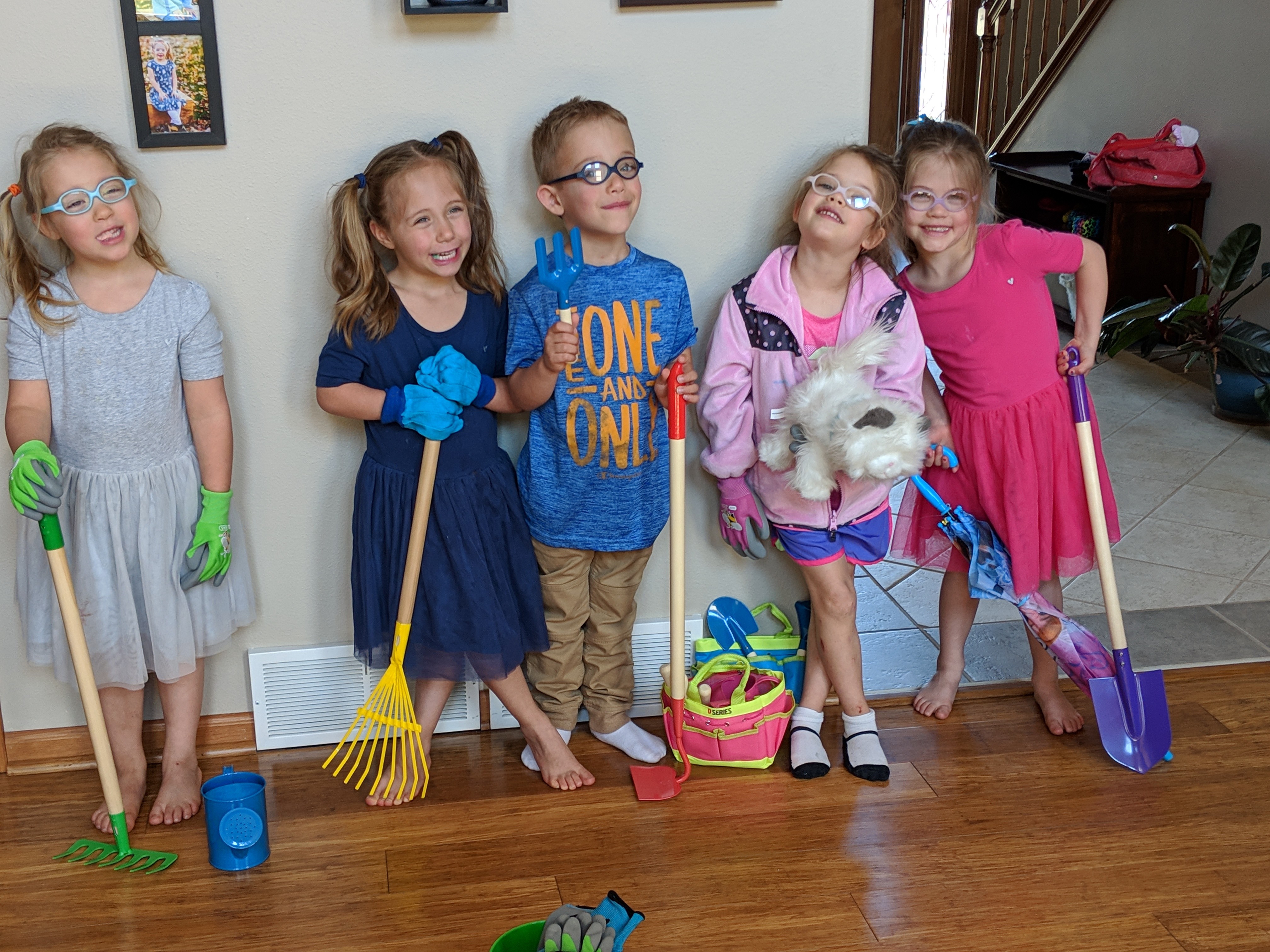
Family Yard Work and Gardening

img_20190421_112824

New Goggles


Lots of Arts and Crafts

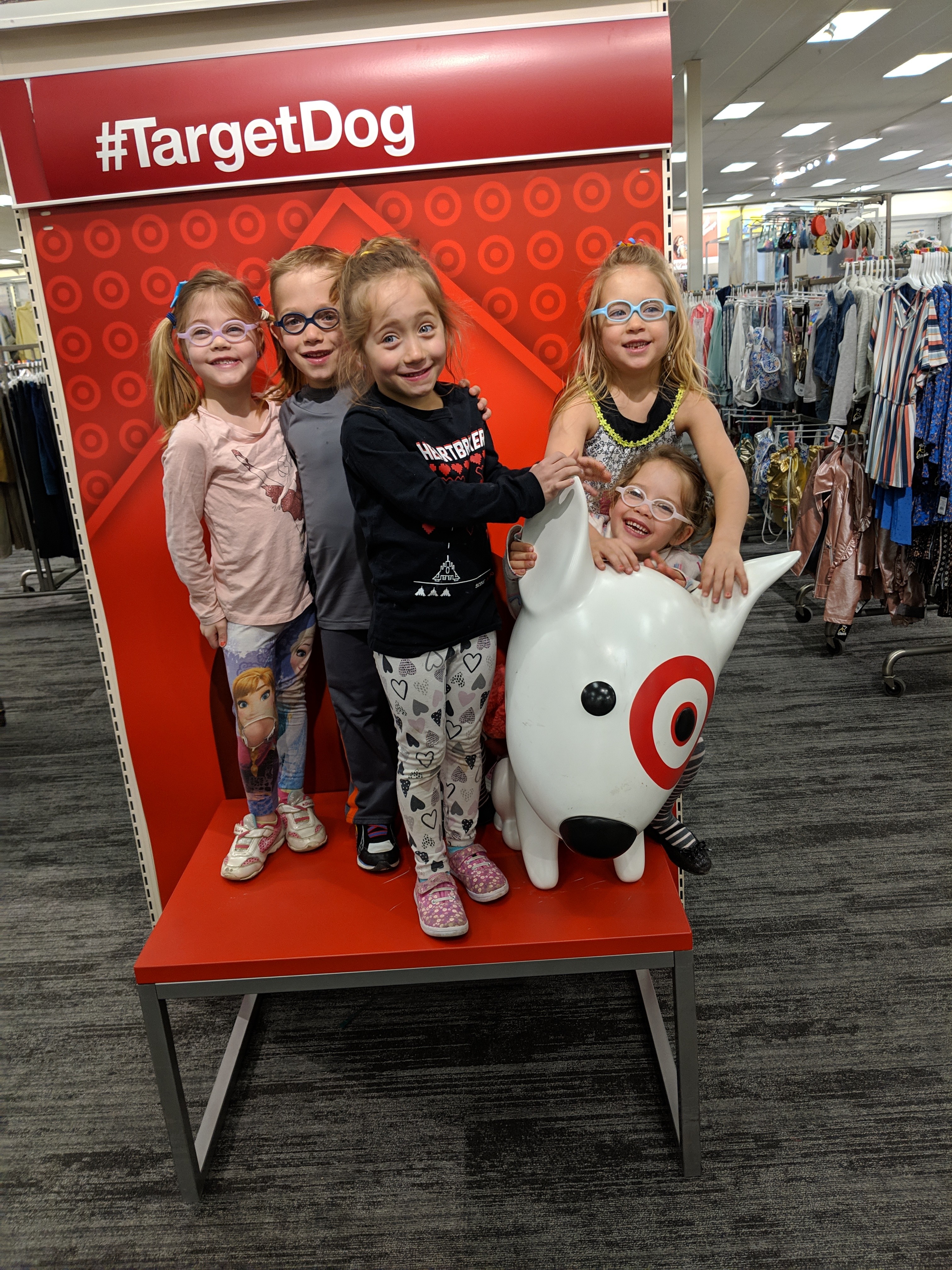
And a Target Run or Two

img_20190415_113630

Finding Calm Amidst Chaos

img_20190212_094402.jpg

Our house is loud. Our house is competitive. In our house, choices have consequences. Our has a schedule where there is a time to eat, play, sleep and head here and there. There is no doubt that this environment is stressful. I, the keeper of the schedule know that better than anyone. But, our home is also filled with love, laughter, prayer, gratitude, grace and mercy.

This home’s environment is much different than the one I grew up in but the values remain the same. Because of this I see my children evolving to be different than I was when I was younger. They are more confident, outspoken, expressive. They have to share everything from their bedroom to their time. None of this is bad. I just wonder at times what they are thinking and what this experience- this childhood- is really like for them.

There are moments when we find ourselves one-on-one where I catch a glimpse of them with their guard down. Whether it be their soft eyes, gentle smile or genuine laugh, it is then I know that they are doing okay, that they’re going to be okay. Rarely, are there uninterrupted conversations, but now that they can read and write, our conversations have become asynchronous. They can leave us a note, or a picture and we can do the same. It is in these stick figure drawings and scripted words that again I know that they’re going to be okay.

With each passing day they grow up a bit more. They become more independent and more united at the same time. They need others a bit more and us a bit less. While this is hard, I know it is good.

MVIMG_20190206_180522
Translation: “Nobody go in this room”

But, I have to consciously combat the worry and the fear that perhaps this environment may perpetuate invisible illness and may pay a toll on their young hearts and minds. Our children, like all others, are developing a sense of mastery of their environment and themselves with each passing day. They can understand reasons for why life is the way it is; these may be logical or magical. I believe it is vital that we, as caregivers, know when to step in and when to step back, in order to foster resilience and not dependency or injury.  The following 7 strategies were adapted from the American Psychological Association’s suggestions for fostering resilience across the lifespan.

Strategies to Foster Resilient Families

  1. Make connections. Relationships expose us to another person’s journey which provides us with perspective and increases the skill of empathy. A strong network of friends and family can also provide social support which can provide a non-judgmental safety net when we fall.
  2. Empower through Service. Age-appropriate volunteerism can help the helpless.
  3. Maintain Routine. Most thrive with consistency because it can provide comfort. In times of change, it can be helpful to find rest in celebrating the child’s routine.
  4. While routine and structure are beneficial if they lead to worry, they become counter-productive. Hit the pause button on life to explore with the child the source of worry. If it is the routine, celebrate spontaneity and re-construct the routine together.
  5. Practice and Preach Self-care. Finding and making time to care for one’s self through solid nutrition, exercise and rest is pivotal for keeping one’s tank full; this is a necessity to prevent burn-out especially when caring for a child with any illness- visible or invisible. Children will also bare witness to our self-care and establish their own methods.
  6. Nurture Positivity. Hardship can be handled with greater ease in the context of hope and trusting relationships. Helping a child trust the process, look for the positive and trust themselves to overcome life’s hurdles can build resilience and strengthen their self-efficacy towards present and future difficulties. While children may not be able to assess long-term consequences, we can help them see past the current situation and find hope while exploring optimism amidst fears.
  7. Accept Change. Change can be scary but learning to accept and roll with change at an early age can foster resilience. Navigating opportunities for self-discovery amidst change continues to build into the child and provides a reflective skill-set which can aid in changing with change.

Big picture

Resilient parents raise resilient children who have “the ability to recover from or adjust easily to misfortune or change” and find calm amidst chaos. This ability to bounce back and grow is not just a process for self-development but a philosophy. We have the opportunity to plant “seeds of strength” and self-care so, our children can overcome the challenges of illness, a busy household, and/or hardships at home, work and school to courageously take on life with grace, generosity and gratitude.

IMG_20181224_090815

Additional Resources on Resilience

Resilience

Resilience: “the ability to overcome serious hardship; toughness.”

One week ago, I got yet another call from the school nurse sharing that our little buddy was in her office. Theo had been a frequent visitor to the nurse’s office since the first week of school with perpetual tummy aches. We were chalking it up to pooping problems given that their water intake had been likely cut in half since the start of school. However, last Wednesday he was refusing to go back to the class. He didn’t have a fever but was unable to keep anything down so, a quick Google search told me he was either severely constipated, caught norovirus, or a different stomach bug. Unfortunately, water, miralax and a glycerin suppository didn’t produce the results we were expecting so we settled on a bad stomach bug. Then, Thursday evening we noted that his stomach had blown up like a water balloon and nothing could soothe him; Off to the ER we went.

img_20181005_200642
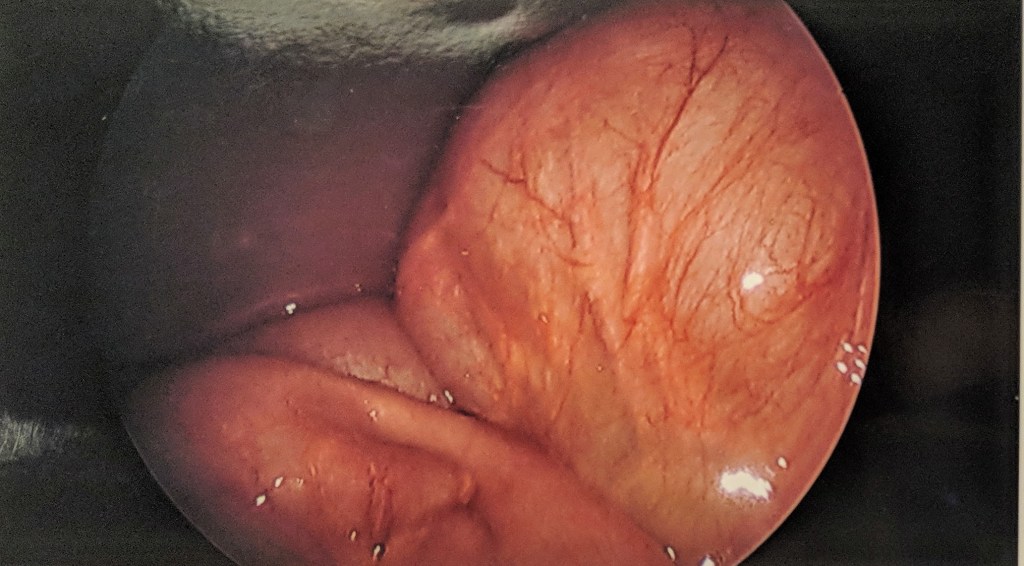
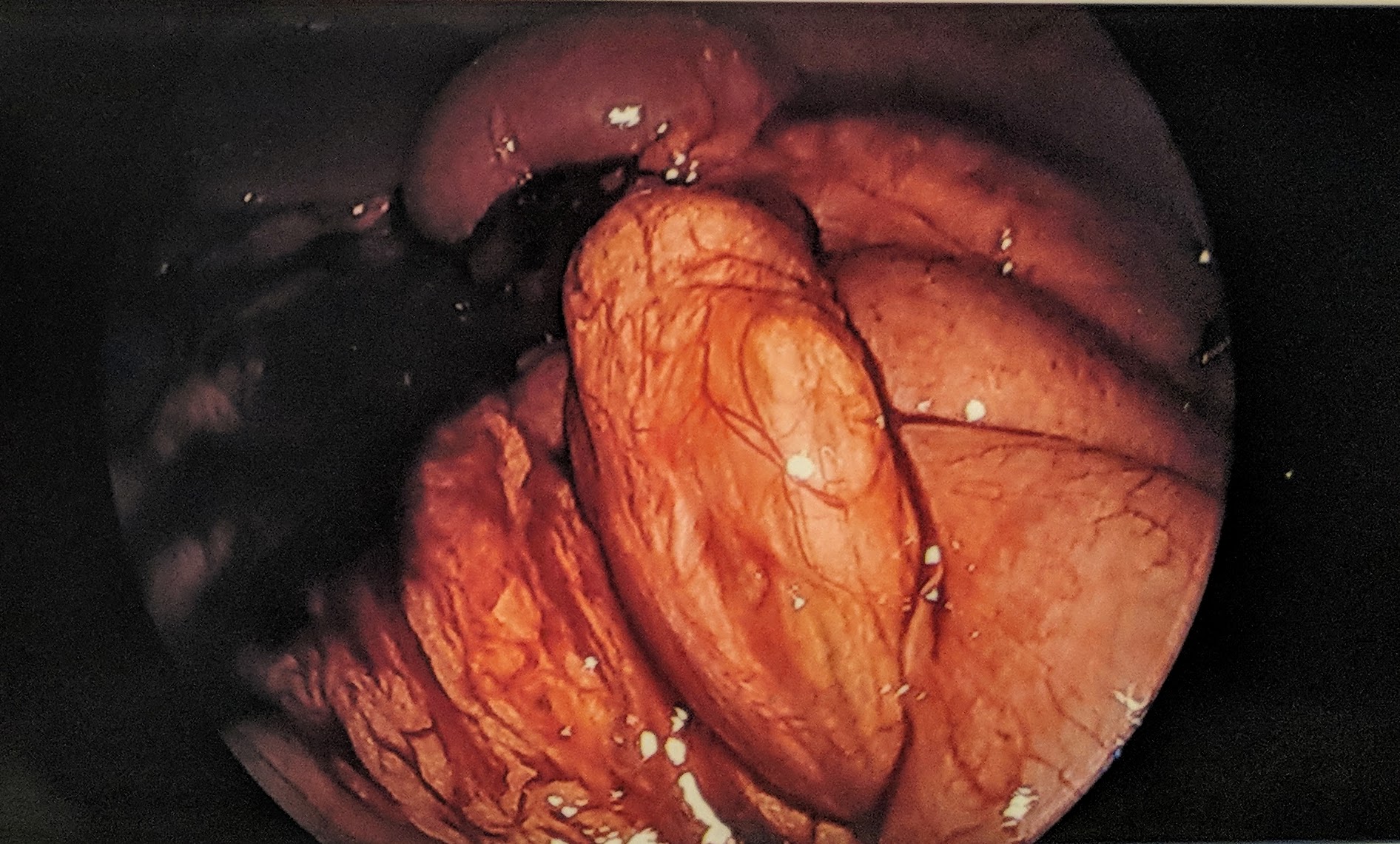
Obstructed portion of the small intestine

I was hesitant to jump to emergent care because Theo was showing these same symptoms back in February which didn’t show anything significant; this time was different. The abdominal x-ray didn’t demonstrate stool burden so we moved on to an MRI. Here we saw that Mr. Theo had a bowel obstruction. The next 2 hours flew by as an emergent surgery was organized. The best case scenario was that Theo’s small intestine was simply kinked like a garden hose… the worse case scenario was that the obstruction could be so bad that he would leave with an ostomy.

img_20180928_195614

Frank rushed to the hospital as we were moving to pre-op. Theo was cool, calm and collected. He simply wanted to know the facts. This young boy knows the word surgery and all that it entails far too well after 4 surgeries in his first 4 years of life, including a repair of a spontaneous bowel perforation (day 1), anastamosis (3 months), an epiplocele repair, and a tonsil-and adenoid-ectomy. We discussed two plans with the surgeon; Plan A which was a simpler laparoscopic procedure where they would enter through his belly button and two small sites on either side and Plan B where they would convert Plan A to an open procedure for more extensive repair.

The surgery took two hours and we were notified after 90 minutes that they were progressing through Plan A. To say that we were relieved would be an under-statement. Once Theo procedure had concluded, the surgeon came to visit us to explain that this obstruction was a spontaneous occurrence and had nothing to do with bowel habits, hydration or anything we or Theo could’ve caused. The obstruction was caused by the omentum.

The omentum is a fascinating apron of fat within the abdomen which not only keeps our organs in place but also plays an immunological role. The omentum’s central role is the abdominal defenseman, it adheres to sites of inflammation and provides leukocytes to combat infection. In Theo’s case the omentum had adhered to the sites of his previous bowel surgeries, stretching across a portion of his small intestine. This part of the small bowel proceded to push through the stretched omentum- creating a donut-like shape- and then curved back around and came back through the same hole.

IMG_20181005_200642
Kinked small intestine

This kink in the intestine had been developing since Theo’s first symptoms in February. During the procedure, the team trimmed back the omentum, releasing Theo’s small intestine. They then inspected most of small intestine to examine other sites of adhesion but felt no further alterations were necessary.  We found this pathophysiology to be fascinating, as did Theo. He even got surgical pictures as a keepsake. He enjoys retelling the story to his sisters with these graphic images.

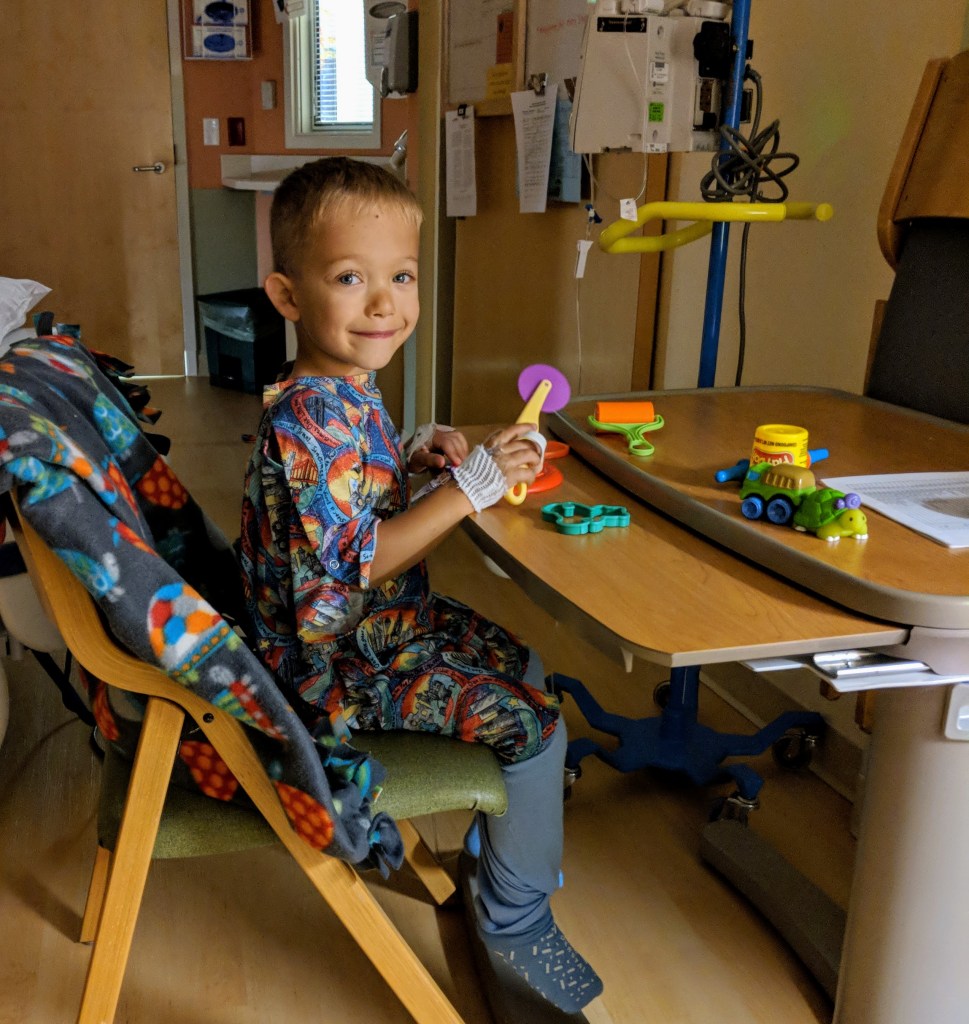
Amazingly, Theo displayed his resilience by discharging from the hospital 1 day later and returning to school on Monday. His bravery, curiousity and recovery truly make him one of our five super heroes!


img_20181005_1808291

The V5 Turn 5

This year’s birthday felt monumental. Perhaps, it is because we are now a household of school-aged children with friends and these friends joined us in celebrating the V5. Or, perhaps it is because it was a multiple-golden birthday. Even more so, it may have been because the kiddos were more aware than ever what this celebration meant. Either way, it warranted a week-long party! A day for each and a weekend for all!

We kicked off the birthday week with a trip to the Dane County Fair

Earned their Purple-striped Belts

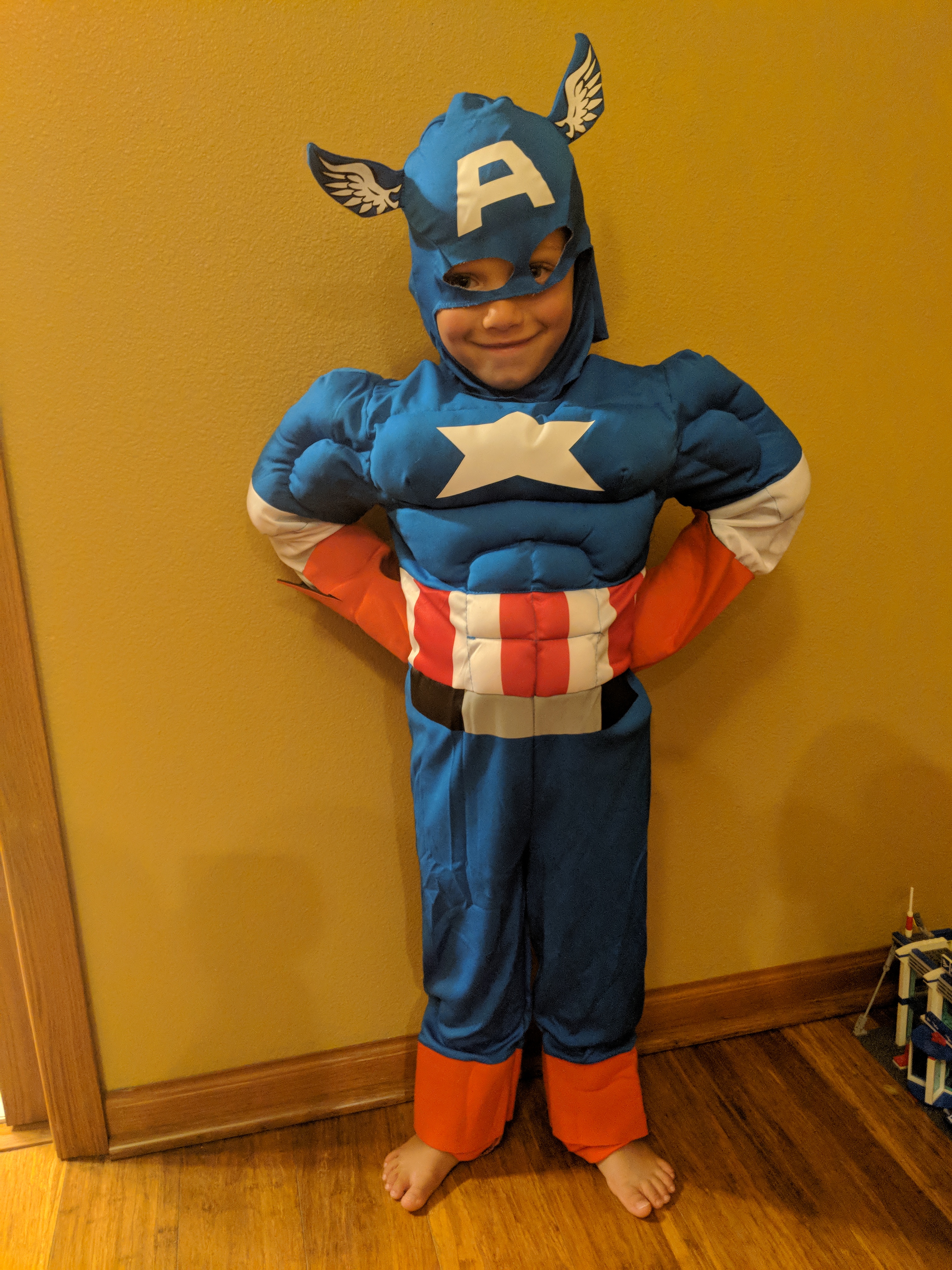
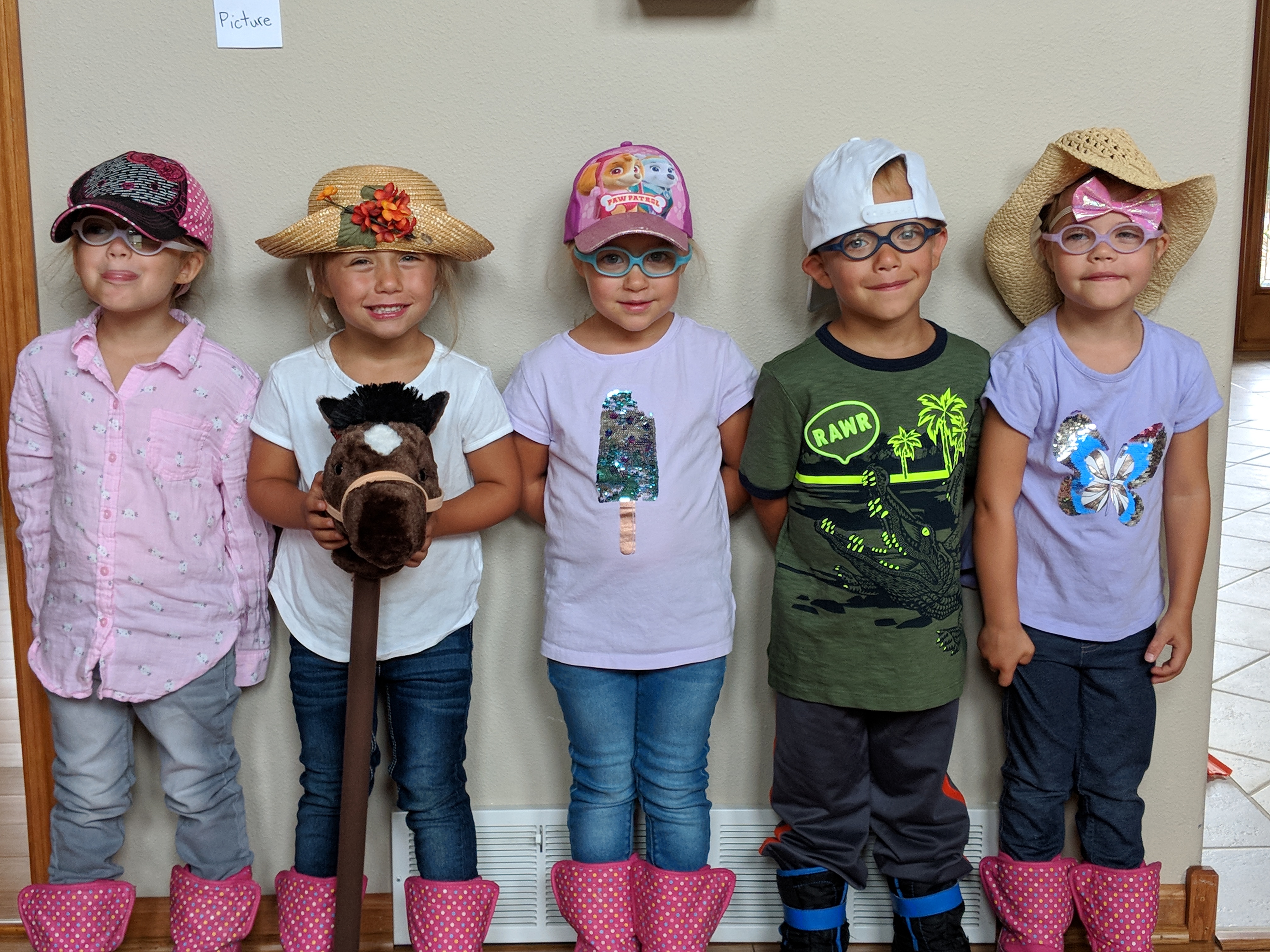
Took a trip to Sassy Cow Creamery and toured their Farm. Of course they had to dress the part.
img_20180807_085529

Woke up at 5am on their Big Day and put on their Friday-best (all by themselves) ready to celebrate!

Celebrated Friday Morning with a trip downtown to meet a few of their favorite characters and to check out a real fire truck

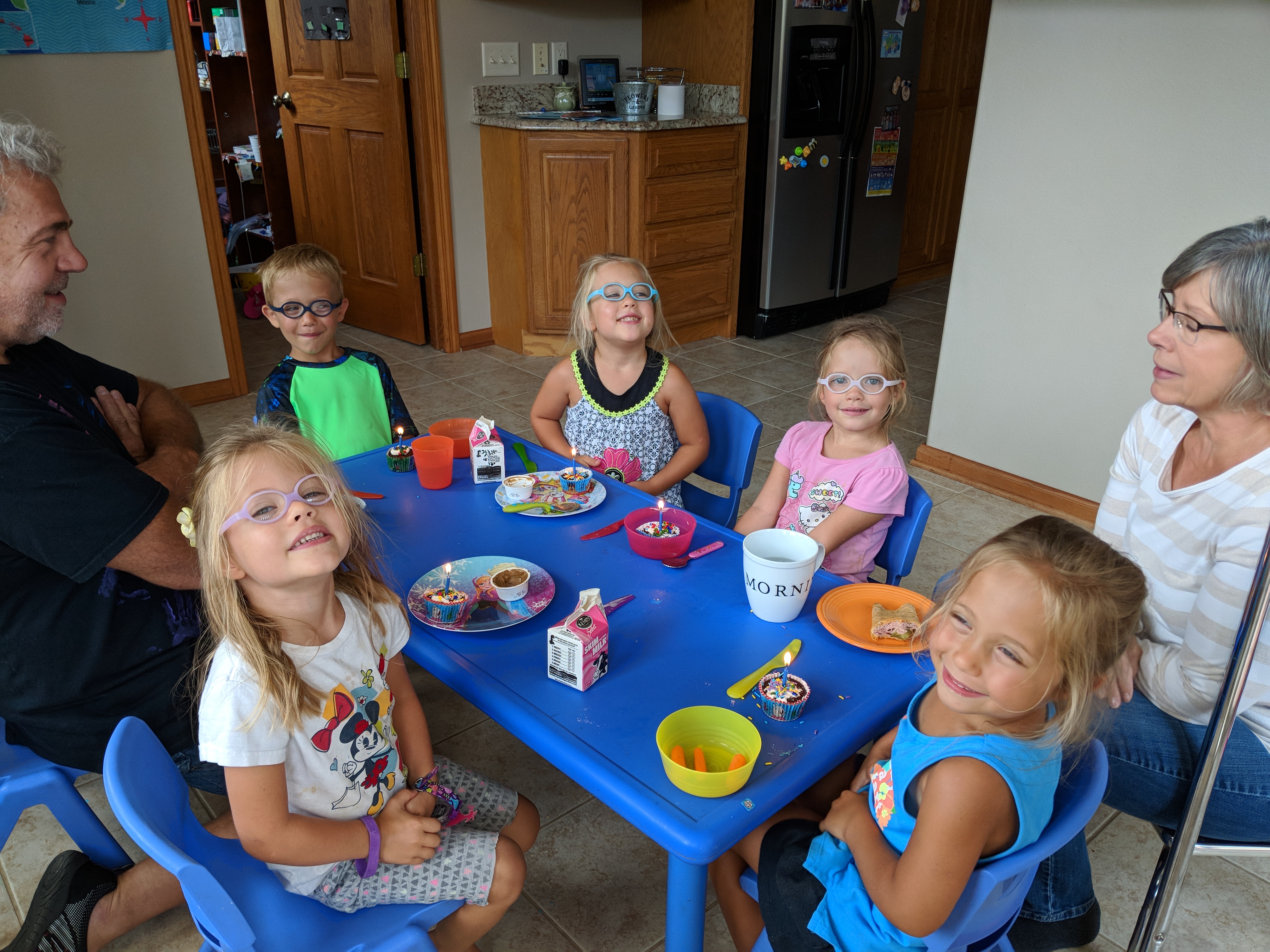
Birthday Cupcakes with a side of Sunbutter and Carrots (No, I didn’t offer the veggies; they asked and it was there birthday so, how could I say no?)
img_20180803_142601

Double B-day Bash Saturday. They loved celebrating with their friends in the morning and family in the afternoon. The mid-day break was just long enough to give this Paw Patrol crew a break.

The week concluded with each getting to break their very own birthday boards at karate!

Many, many thanks to all who made this year’s milestone birthday so special!