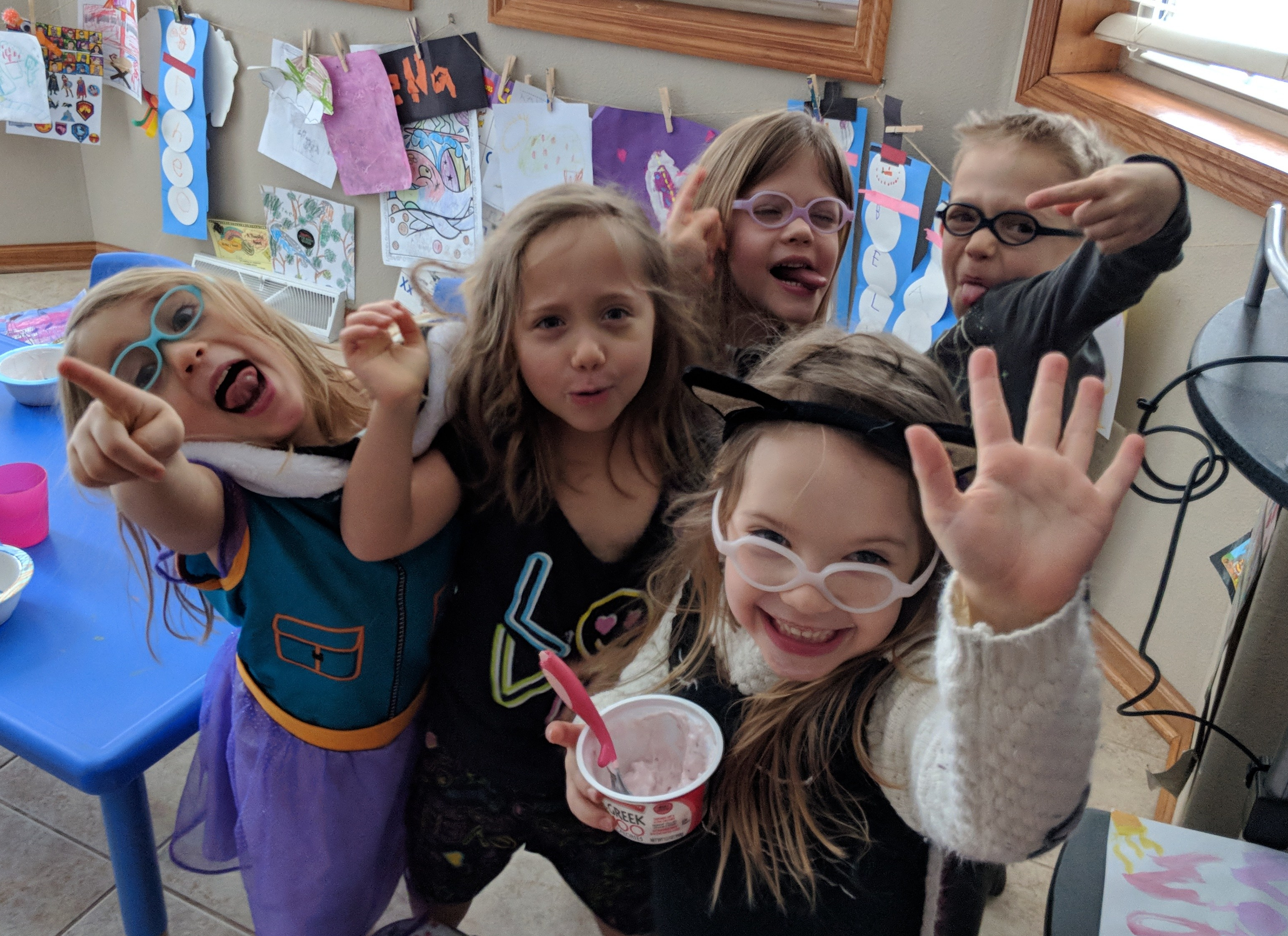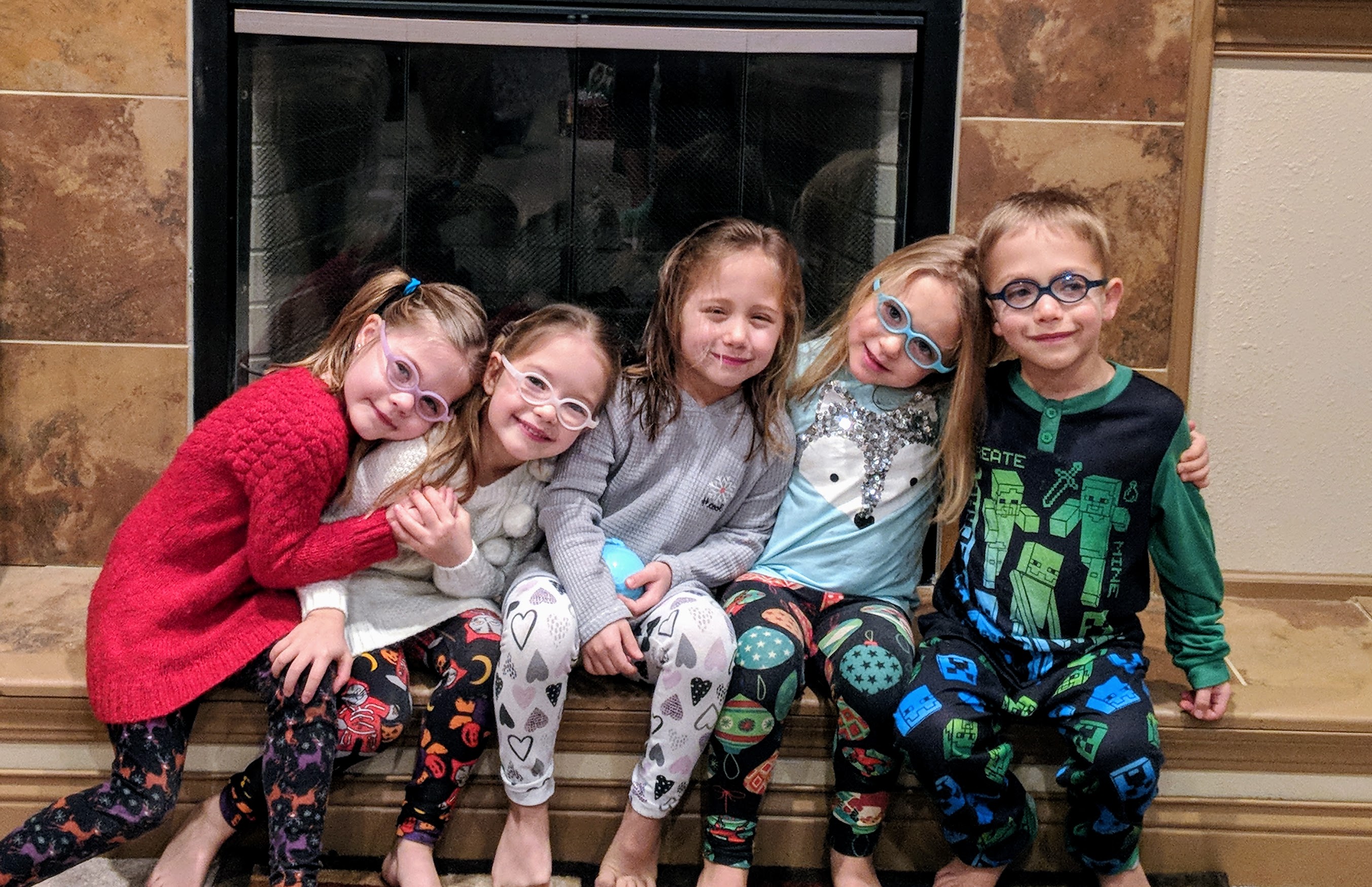
This week, the V5 turn thirteen. Thirteen. I sat with that sentence for a minute because for so long, our story was defined by the beginning. The shock of discovering there weren’t one, two, or even three babies growing inside me but five.
The appointments. The preparation. The uncertainty. The NICU. Then, the bottles and diapers and feeding schedules. Five car seats. Five cribs. Five tiny people who somehow needed us all at once.
When I wrote Bump to Baby(ies), I told the story of how our family began. It was a story about pregnancy, surrender, survival, and discovering courage when life multiplied in ways we never could have imagined.
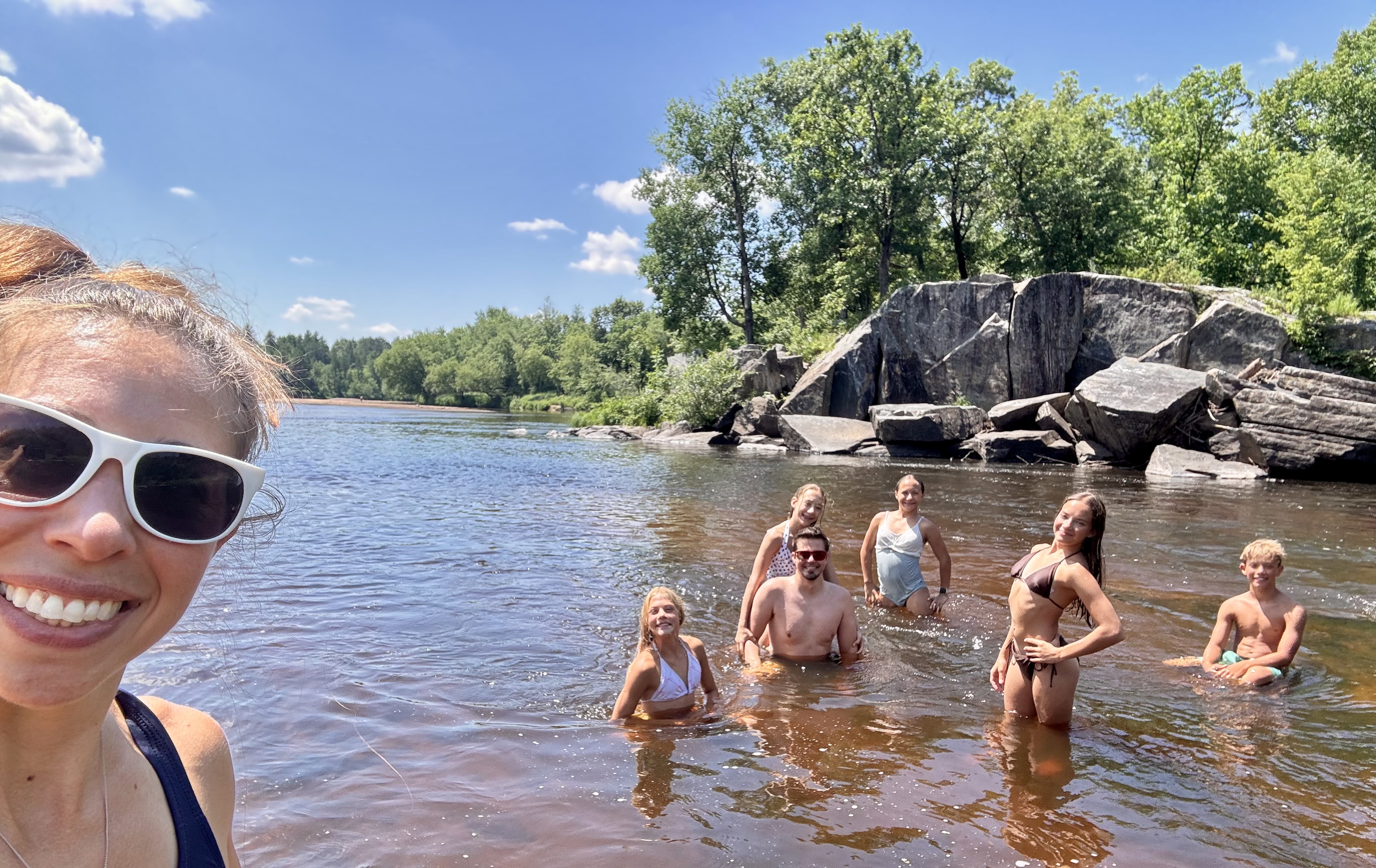
That first season passed quickly. The days were long but the years short. They became toddlers with opinions. Preschoolers with personalities. Elementary schoolers discovering friendships, sports, strengths, and struggles. And now, somehow, they are teenagers.
The Story After Survival
People have asked us versions of the same question since the kids were born: How do you do it with five?
When they were babies, the answers were practical. Schedules. Systems. Preparation. Teamwork. And probably more coffee than medically advisable.
But as they grew, the question became much more complicated. How do we raise five children at the exact same age while honoring that they are five completely different people?
How do we create structure without controlling them?
How do we help them become resilient without protecting them from every struggle?
How do we teach responsibility while making home a place where mistakes are safe?
How do we stay connected as schedules, sports, school, friends, emotions, and independence begin pulling everyone in different directions?
And maybe the biggest question of all: How do we raise children who know they are deeply loved while preparing them to eventually walk into the world without us?
I definitely don’t have all the answers. Thirteen years into this parenting, social experiment, I’m more convinced of that than ever.
What I do have are lessons. Lots and lots of lessons. Some learned beautifully. Others learned the hard way.
One of the surprises of parenting has been realizing that children aren’t the only ones growing. The parents we were when five babies came home are not the parents we are today.
We’ve learned that connection matters more than control. That repair matters more than getting every interaction right. That our children can share the same home, the same parents, and even the same birthday and still need completely different things from us.
We’ve learned to laugh. We’ve learned to apologize. We’ve learned to have hard conversations. We’ve learned that sometimes the best parenting happens around the dinner table, driving to practice, or during a completely ordinary Tuesday night.
And we’ve learned that resilient families aren’t families without struggle. They’re families who learn how to move through struggle together. That became the heart of Baby(ies) to Big Kids.
A Book About Becoming
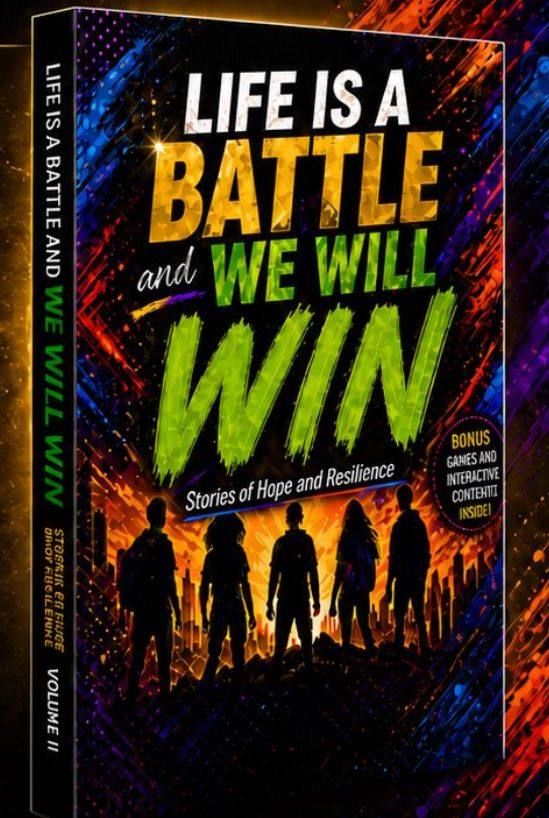
Baby(ies) to Big Kids isn’t a story about how we figured out parenting. Quite the opposite. It’s about what we’ve learned while figuring it out.
The CALM parenting framework is about raising resilient kids while continuing to become resilient adults. It’s about communication rooted in curiosity, anchoring values, connection through words and actions, responsibility, emotional awareness, and creating a family culture intentionally even when real life is loud and messy.
And because reading about these ideas only takes us so far, the story grew again. I created companion workbooks for parents and youth so families could move from reading about resilience and connection to actually practicing them together. What began as a story had become a set of resources.
We Were Never Meant to Do This Alone
There’s another lesson woven throughout these thirteen years that deserves its own chapter: Family resilience doesn’t happen in isolation.
Our children have been shaped by grandparents, teachers, coaches, healthcare professionals, neighbors, friends, and people who have simply shown up again and again. So have I.
We have been privileged to grow up alongside two of our people, Alex and Danielle. Frank and Alex became best friends in high school, two kids from neighboring towns bonded by Seinfeld, classic rock, and countless hours writing and playing music in Alex’s basement before rocking talent shows and benefit concerts together. Their friendship followed them to college, where they joined the same fraternity and eventually served as president and vice president, and where Alex met Danielle, who quickly became part of our story, too. Over the years, the four of us have celebrated, struggled, built careers, raised families, laughed, challenged one another, and become family. We are iron that sharpens iron, but perhaps our greatest lesson has been that even strong people need a village.
Danielle has been part of ours through so many chapters, which makes it especially meaningful that she wrote the foreword to Baby(ies) to Big Kids. There is something incredibly special about having someone who has witnessed the messy middle of your story help introduce it to the world.
And Now There Are Five Teenagers
On the weekend of their thirteenth birthday, I find myself looking backward and forward at the same time. I can still see those five tiny babies. But I also see five young people becoming increasingly themselves. And I know the next chapter will bring questions I haven’t even thought to ask yet.
But this week? I’m going to celebrate five thirteen-year-olds. I’m going to marvel at the fact that somehow we made it from five NICU isolettes to five teenagers. And I’m going to remind myself that we still haven’t arrived. Thank goodness.
Happy 13th birthday, Theo, Bella, Lily, Kali, and Ellie!
What an extraordinary adventure it is to grow alongside you.