
Mental Health Matters: Five Young Voices, One Powerful Truth

This week, I had the privilege of presenting on a panel for a Black mental health summit alongside my fellow co-authors of Life Is A Battle but We Will Win. The summit centered around resilience, healing, and collaboration across communities — mothers, men, caregivers, and youth.

As a population health leader, dietitian, youth advocate, and ally, I believe our responsibility is not simply to ask people to be more resilient — it is to build communities, systems, and spaces that address the root causes impacting mental health in the first place.

My portion of the conversation focused on adolescent athletes and their unique mental health experiences. Athletes are often taught to push through physical pain. Unfortunately, that mindset can sometimes extend to emotional pain too. While sports can build confidence, discipline, and resilience, they can also create pressure, perfectionism, identity struggles, and isolation when mental health challenges are left unseen.

One statistic shared during the summit stopped the room: suicide is one of the leading causes of preventable death among NCAA athletes. That is not okay.

But here is what is okay:
It is okay to not be okay.

For Mental Health Awareness Month, I wanted to move beyond simply talking about mental health and instead create space for honest conversation within my own home. So I asked my children three simple questions:

  1. Why is mental health important?
  2. What has been your experience with mental health?
  3. What words of wisdom would you share with other youth?

Their responses were raw, insightful, vulnerable, hopeful, and wise beyond their years. And honestly? I think we have a lot to learn from them.

“Your feelings matter.”

Mental health matters because it affects the way we see the world, ourselves, and other people. Sometimes people cannot see mental health struggles on the outside, but that does not make them any less real. I watch my friends struggle silently especially when painful experiences are brought up by others who do not realize the impact their words can have.

Their message to other youth was simple but powerful: “Keep your head up. You got this. There are people there for you.”

Sometimes the most healing thing a young person can hear is- You are not alone.

“Mental blocks don’t define you.”

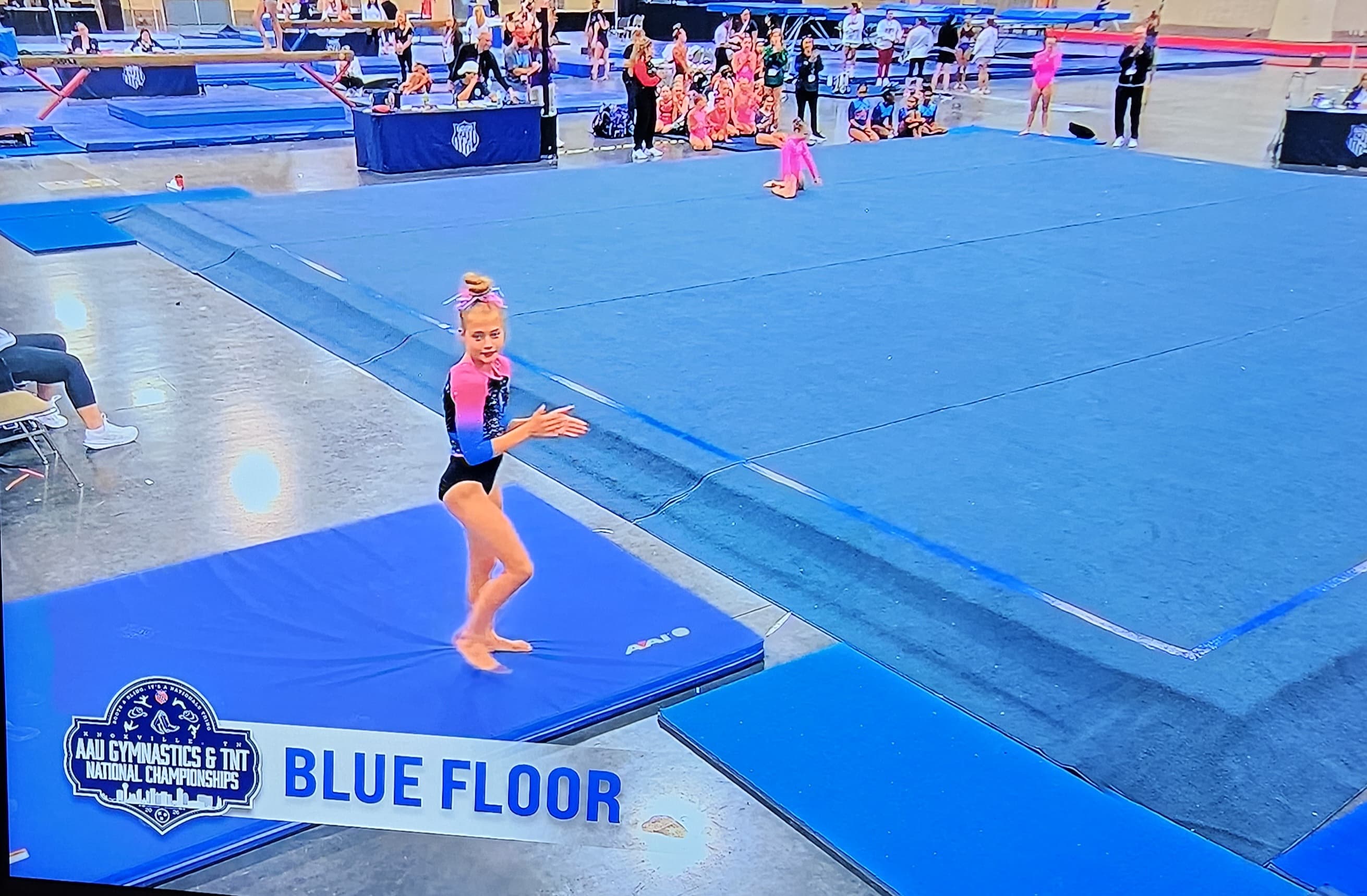
One of my children bravely shared their experience with OCD, anxiety, and a severe mental block. What began as fear during competition slowly unraveled into something much bigger.

There are tears. Frustration. Fear. Questions. Therapy. Prayer. Patience. Healing.

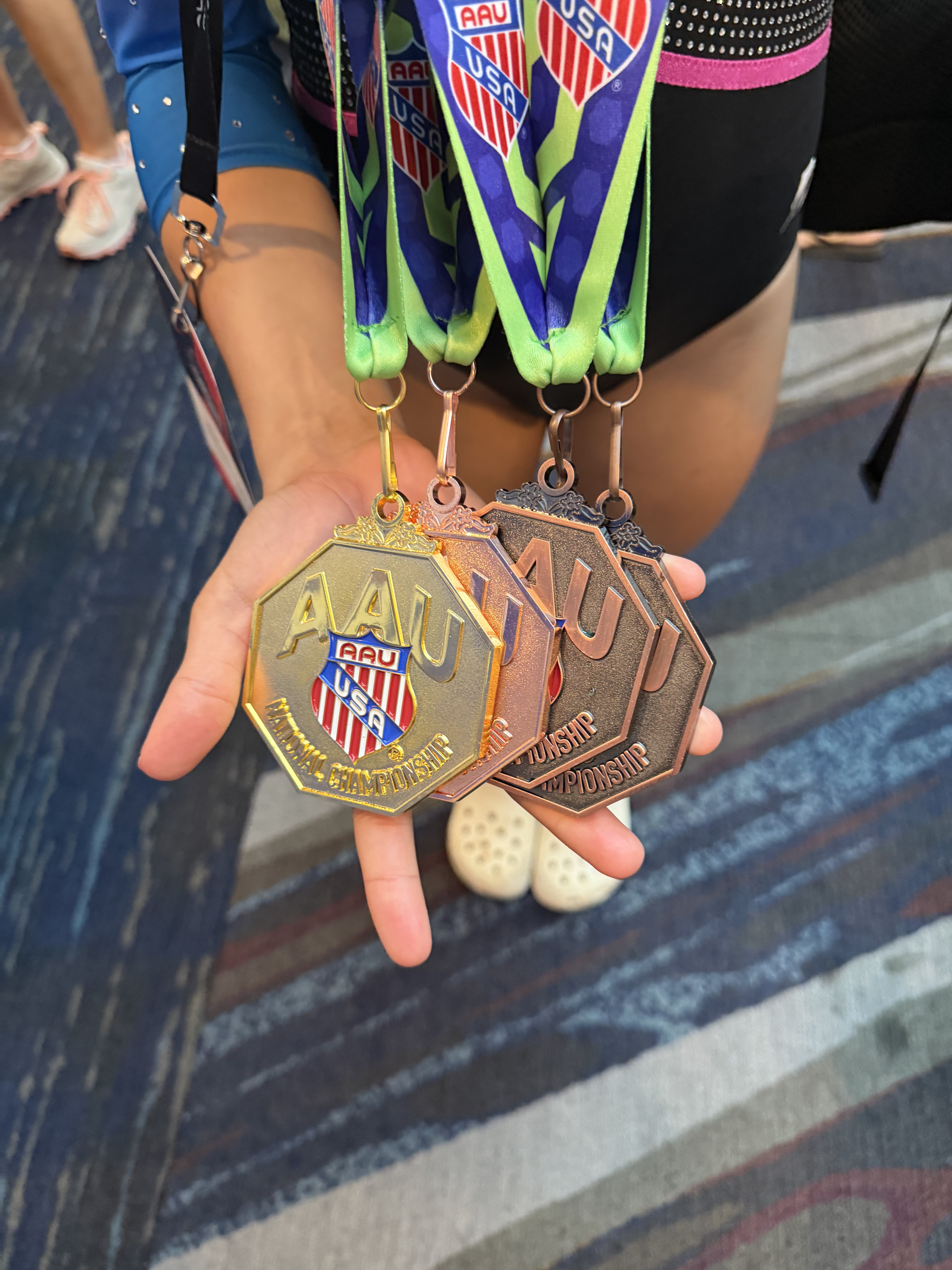
Eventually, through support, treatment, faith, and perseverance, I began reclaiming confidence little by little. Today, I’ doing skills I once thought were impossible. I try to encourage others to, “Work hard. Trust the process. Dreams really can come true.”

And perhaps most importantly, mental health struggles do not define you. They are experiences that deserve support, compassion, and care.

“Finding the right support matters.”

Another child shared their experience navigating anxiety, ADHD, and depression.

I used to cry every night, feeling overwhelmed, and eventually realized that something bigger was going on. I started working with a therapy. The first therapist was kind but not the right one for me. The second therapist is an art and play therapist. We play games, get creative and connect through art. This built trust and a bond that changed everything.

There is no one-size-fits-all approach to mental health support.

Healing can look like conversation.
Or movement.
Or medication.
Or art.
Or faith.
Or community.
Or all of the above.

They also wanted to call out the impact of screen time and sleep on mental wellbeing.

“Sleep is so important and the blue light from screens (especially before bed) can make it worse.”

“Sometimes you just need to find your people.”

One of my children was diagnosed with anxiety at six years old and later with ADHD.

I got diagnosed with anxiety when I was six and later with ADHD. I had to try a bunch of different medicines until we found the right combo. It took awhile but when we did it was so good. It helps me a lot.

They also emphasized the importance of trusted relationships: friends, counselors, and safe adults who make you feel understood instead of judged.

Their words were beautifully simple: “Never underestimate yourself. Sometimes you just need to find your people.”

There is so much wisdom in that. Connection matters. Belonging matters. Feeling safe enough to be yourself matters.

“Don’t struggle alone.”

The final response was short, honest, and deeply important.

Mental health is a “touchy topic.” It is something many people still struggle to discuss openly. Keeping everything bottled up only makes the burden heavier.

Their advice: “Talk to somebody you trust and find ways to help yourself so you’re not struggling alone.”

That’s it right there. Not struggling alone. Not carrying invisible pain in silence. Not believing you have to earn support by reaching a breaking point first.

What I Hope We Learn From Young People

What stood out most to me throughout these conversations was not weakness.
It was awareness. Insight. Emotional intelligence. Honesty. Hope.

Our youth are navigating enormous pressures:
Academic pressure.
Athletic pressure.
Social media.
Loneliness.
Comparison culture.
Identity development.
Fear of failure.
Fear of not belonging.

And yet, they continue showing up every day trying to figure out who they are and where they fit in this world.

Mental health conversations cannot begin only once someone is in crisis. We must create homes, schools, healthcare systems, teams, and communities where emotional wellbeing is normalized, supported, and protected proactively – not reactively.

So here is my invitation to you: Ask someone you love about their mental health.
Listen without fixing.
Create space without judgment.
Help people feel seen, heard, valued, and safe.

Sometimes one conversation really can save a life.

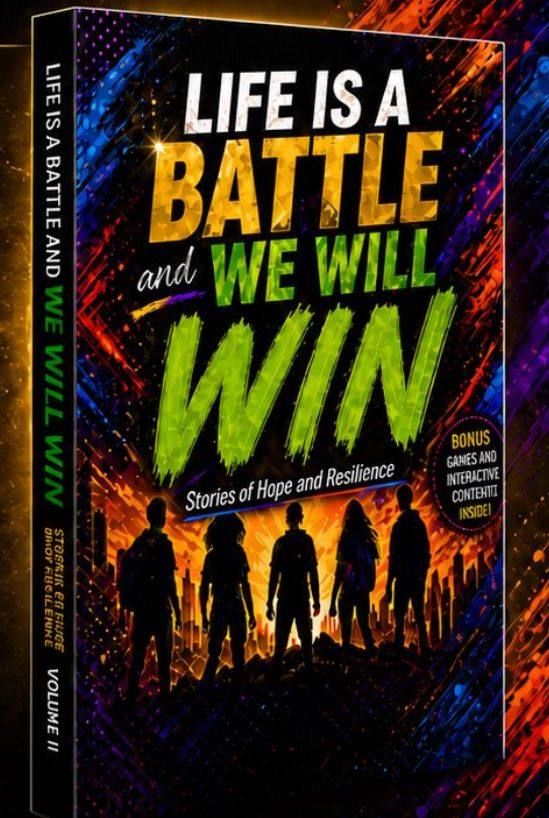
If you’re interested in learning more about my next book – Life is a battle but we will win – tune into this virtual book launch on May 28.

You can learn more and register for the free event here. https://us02web.zoom.us/meeting/register/AAGm5qPKQCi92lUX3-wNTw

Or, Pre-order your copy today!

When You’re Functioning, But Not Okay: Mental Health Awareness

Redefining What “Struggling” Really Looks Like

For a long time, health was measured by what we could see; Blood pressure. Weight. Lab values. Physical endurance. If those checked out, we called ourselves “healthy.” But something has shifted. We’re beginning to understand that mental and social wellbeing aren’t secondary – they are foundational. You can be physically “fine” and still be carrying a level of emotional weight that quietly erodes your quality of life.

And the data is catching up to what many have been feeling:

  • Among youth, rates of persistent sadness and hopelessness have risen significantly over the past decade, with nearly 1 in 3 adolescents reporting poor mental health in recent national surveys.
  • Adults report increasing levels of anxiety, burnout, and emotional exhaustion, especially those balancing caregiving, careers, and constant connectivity.
  • Older adults face rising levels of loneliness and isolation, both of which are now recognized as serious health risks comparable to chronic disease.

Here in the Midwest, including communities across Wisconsin, these trends are showing up in our schools, our workplaces, and our homes.

Struggling doesn’t always look like falling apart. Sometimes it looks like showing up… while quietly unraveling.

The Cost of Holding It All Together

There’s a version of strength that gets praised in our culture; the ability to push through, stay composed, keep going no matter what. But there’s a cost to that kind of strength when it comes at the expense of processing what we carry.

Unresolved guilt.
Shame we never spoke out loud.
Hurt we minimized.
Forgiveness we haven’t fully worked through.

These don’t just disappear because we stay busy. They settle. And over time, that emotional weight doesn’t stay contained to the mind, it begins to show up in the body. It can look like irritability that feels disproportionate to the situation. Exhaustion that sleep doesn’t fix. A sense of numbness where joy used to live. When we carry things we haven’t acknowledged, the body keeps score in quiet, persistent ways. Holding it together isn’t the same as being okay.

The Brain–Body Connection

We often think of “impact on the body” as something reserved for major trauma. And while trauma absolutely leaves a physiological footprint, it’s not the only thing that does. Chronic, unrelenting stress – the kind that feels manageable day-to-day – can have a profound biological effect over time. When the body perceives stress, it releases cortisol. In short bursts, that’s helpful. It keeps us alert and responsive (think fight or flight). But when stress becomes constant, cortisol stays elevated. And that matters because sustained high cortisol levels are associated with increased visceral adiposity (fat stored around vital organs) which is linked to higher risks of cardiovascular disease, metabolic dysfunction, and inflammation. In other words: the body responds to emotional strain as if it were a physical threat.

This isn’t about blame – it’s about awareness.

Because the same system that responds to stress can also be supported and regulated. Small, consistent practices can help. The goal isn’t perfection. It’s giving the body signals of safety again.

The Turning Point: Holding Two Things at Once

There’s a concept introduced by Dr. Kim Whitmore in her book Grateful and Grieving that resonates deeply: the “ampersand” moments. The idea that two things can be true at the same time.

You can be grateful and grieving.
Strong and struggling.
Functioning and not okay.

That tension isn’t something to fix, it’s something to acknowledge. For many of us, the turning point doesn’t come from a dramatic breakdown. It comes from a quiet moment of honesty: Something feels off… and I’m willing to notice it.

Naming a feeling doesn’t make it worse. It makes it visible. And visibility is where change begins.

Even when your mind tells you to push it down. Even when old messages from childhood, culture, or expectation tell you to “get over it.” You’re allowed to feel what you feel.

Small Steps That Actually Help

When everything feels heavy, the answer isn’t to overhaul your life overnight. It’s to start small and start honestly. Here are a few simple ways to begin:

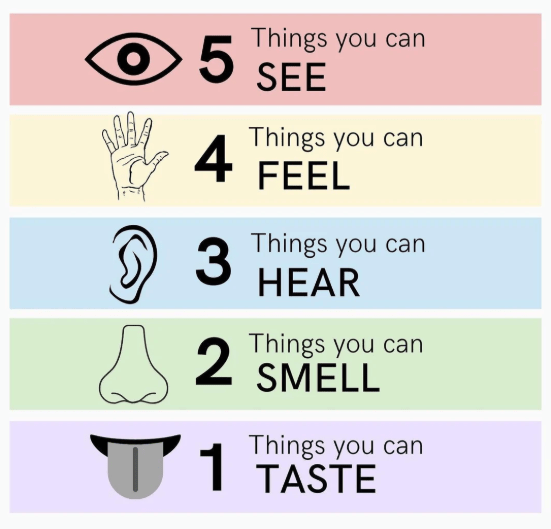
A 5-Step Grounding Exercise

This brings your body out of overwhelm and back into the present.

  • Name 5 things you can see
  • 4 things you can feel
  • 3 things you can hear
  • 2 things you can smell
  • 1 thing you can taste
5-4-3-2-1 Grounding Exercise

Name the Feeling (Without Fixing It)
Instead of “I’m fine,” try:

  • “I feel overwhelmed.”
  • “I feel frustrated.”
  • “I feel hurt.”

Clarity reduces internal tension.

Control What You Can, Release What You Can’t
Draw two columns:

  1. What I can control
  2. What I cannot

Seeing it visually helps your brain stop trying to solve the unsolvable.

Gentle Body Reset
A short walk. Stretching. Deep breathing. Not as punishment but as support.

One Honest Conversation
With yourself, or someone you trust. You don’t have to carry everything alone.

A Small Invitation Forward

You don’t have to solve everything today. You don’t have to unpack every layer of what you’ve been carrying. But you can start here:

Name one thing that’s been sitting beneath the surface.
Acknowledge it without minimizing it.
And take one small step forward.

Because progress in mental health doesn’t come from force. It comes from awareness followed by gentle action.

What’s Next

In the next piece, during Mental Health Awareness Month, I’ll be inviting a perspective that’s often missing from this conversation – our kids. Not as observers of mental health, but as participants in it.

Through their own words, we’ll explore what it looks like to experience emotions, pressure, resilience, and growth in the first 12 years of life. Because mental health isn’t something we arrive at later. It’s something we’re building together from the very beginning.

More Than My Story

A few weeks ago, I shared why I had to write this book.

What I didn’t expect was how many of you would reach back – sharing your excitement, your anticipation, and your own moments of overwhelm. Those conversations changed something for me.

This book is no longer just my story. It’s ours.

Because behind the congratulations and milestones, there are quieter truths:

  • The questions about whether you’re doing enough
  • The tears you wipe before anyone notices
  • The smile you wear because you’re supposed to feel grateful

This is the space this book lives in.

Yes, there are practical tools – ways to get organized when life feels anything but under control.

But more than that, this is an invitation:

  • To be real.
  • To feel the hard parts without guilt.
  • To acknowledge that joy and struggle can exist at the same time—no matter your stage of parenting.

This is the kind of courage we grow into when life multiplies.

And now… we are beyond the announcement. The “why” has been shared. The anticipation has been building. So today, it feels only right to take the next step. We’ve had the reveal.

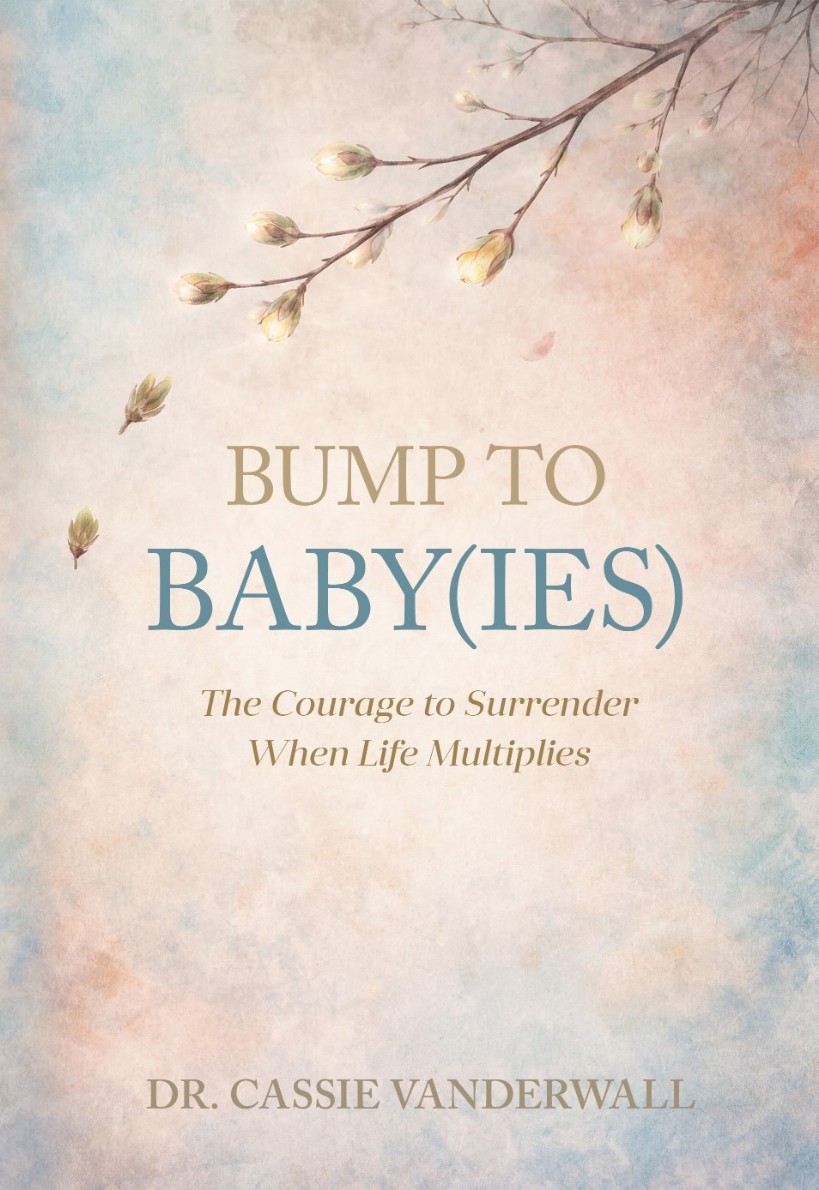
We’ve heard the heartbeat. And now, our first ultrasound. This book has a face.

This cover represents more than a milestone. It reflects growth in motion.  The becoming, the stretching, the unknown that slowly takes shape over time. It’s a visual reminder that even in the earliest, most uncertain stages… something meaningful is forming.

And if you’ve ever found yourself in a season that felt overwhelming, beautiful, disorienting, or all three at once – this book was written with you in mind.

Over the coming weeks, I’ll be opening pre-orders and I invite partnership with local bookstores and libraries to bring these conversations into our community.

If this resonates with you, I’d love for you to be part of what comes next! Whether that’s following along, sharing with someone who needs it, or supporting this launch in whatever way feels right.

This book may have started as my story. But it’s becoming something much bigger. And I’m so glad you’re here for it.

Perfectly Imperfect

Perfectly Imperfect – The Dawning of New Era

As I sit down to write today, I am watching the rain fall along the panes of our windows. Cold, wet days often don’t bring the joy of bright, blue 72-degree weather but rather tend to slow many down and often times slow us down enough to see the muffled memories or quiet reflections in our mind. I have been pondering what, when and how of what I’d like to share in this post for several weeks. Today, I decided to simply put pen-to-paper or rather fingers-to-keys.

Today, my story is intended to empower families and caregivers in fostering mental healthcare in their homes and creating a compassionate space for each other. There is no doubt that the COVID-19 pandemic heightened stress and brought about new stressors for all people. I often wonder how my children will recall these last few years. Will they remember the isolation sadly? Or will they recall the extra time each other and Nana has their second-grade teacher fondly? Will they recall the big feelings that they navigated with pride or remorse?

I recognize that their reactions and recollections are out of my locus of control but my response in the here and the now is. The last year and beyond we have navigated budding mental health concerns that we knew would eventually arise due to the prevalence in our genetic pool. At first, we sought out strategies to combat the stress. We tried T.I.P.P. breaks, individual and family therapy, breathing exercises, bedtime and wake up routines, more structure, less structure, lavender, diffusers, the list goes on and on. Scenarios would improve temporarily but then we felt like we were back where we started and often times in a worse situation.

We have come to realize that this approach is simply exhausting. What if we rather embraced the stress? And, while we’re at it, what if we also embraced that are mental and emotional wellbeing don’t have to perfect? It is freeing to own that fact that we’re perfectly imperfect!

How to Embrace Being Perfectly Imperfect

  • Don’t Combat Stress, Combat Stigma.

We begin with education and the opportunity to educate ourselves and others about mental health disorders using resources such as NAMI.org or the CDC. This includes being conscious of our language and labeling of others using mental health conditions as adjectives.

  • Separate the Person from the Condition.

People First language puts the person before their diagnosis and/or ability. It acknowledges that their identity is not in their medical condition or history but rather who they are.

  • Equate Physical and Mental Illness.

We don’t discourage people from going to the doctor when they are physically ill, but some think twice about pursuing mental healthcare. The brain is vulnerable to disorder just as other organs in our body. When we can correct disruptions or abnormalities in brain function with medication, equip a young mind for healthier growth, create a mental environment that permits therapies to “stick” and provide that individual with a tool to achieve more equitable experiences.

  • Own Your Story.

I encourage everyone to find time to reflect upon your story. Whether you choose to share it or not is up to you. Sharing our stories make us truly vulnerable. However, the reward from sharing with safe people can be greater than the risk. Human connections are made through stories. In our weakness, we become stronger.

Our Story

If you were to open the medical charts of our family, you would see anxiety, ADHD, bipolar disorder, depression, oppositional defiant disorder, and panic disorder. We are not strangers to mental illness nor the therapies that accompany them. I, personally, appreciate the fact that my parents exposed me to mental healthcare providers at a young age because I became comfortable and accepting of this resource. Years later, when Frank and I perceived that there may be more to the tantrums we were witnessing, the first place we looked for help was a LCSW. Even with our personal relationships with therapists over the years, when the psychiatrist recommended medication for one of our children we were a bit taken back.

I asked myself questions like… “is it really that bad?” “have we exhausted all of our alternative therapies?” “what will their siblings think?” “will they need to take it forever?” It was in this moment that I realized I was standing in the way of a potential solution for my child. Then, I looked into their young eyes and asked if they’d like to try it. They held their gaze and provided a confident yes.

Needless to say, we started the medication and while the story is not over, the chapter filled with fear, horrific bedtimes, concerns for self-harm, and words that belong only in parents’ nightmares is closed. We are experiencing a rainbow as the sun emerges upon our personal storm. With this dawn, we see restored sibling relationships, the return of a sparkle in their eyes and a little more peace of mind.

Rainbow At The Dawn Photograph by Edward Pacil

I would be remiss in a post like this to not offer immediate help for those who feel ready. If you or a loved one are seeking help, know that it is there. SAMHSA’s National Helpline is a free, confidential, 24/7, 365-day-a-year treatment referral and information service (in English and Spanish) for individuals and families facing mental and/or substance use disorders. They can be reached at 1-800-662-HELP (4357)