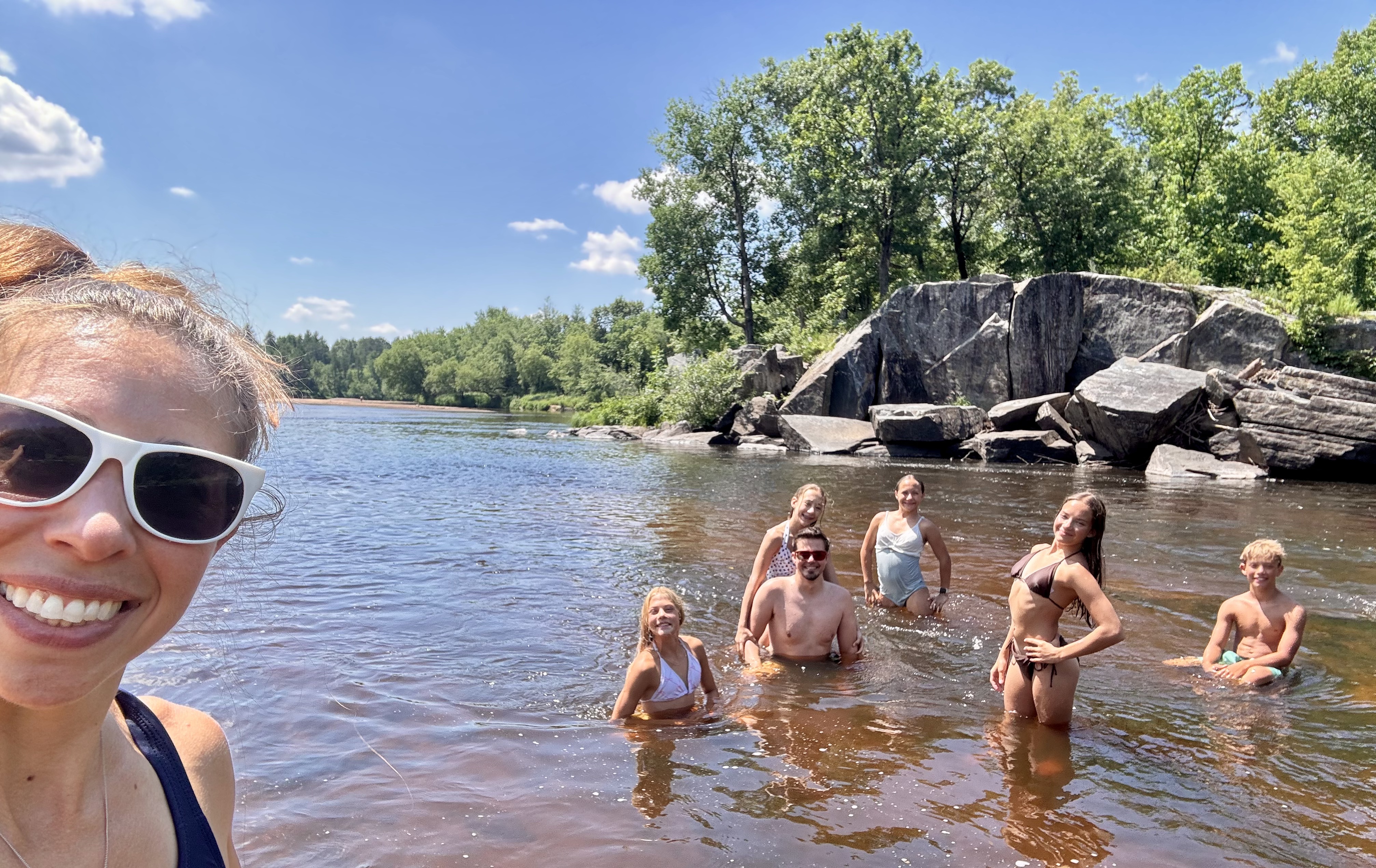
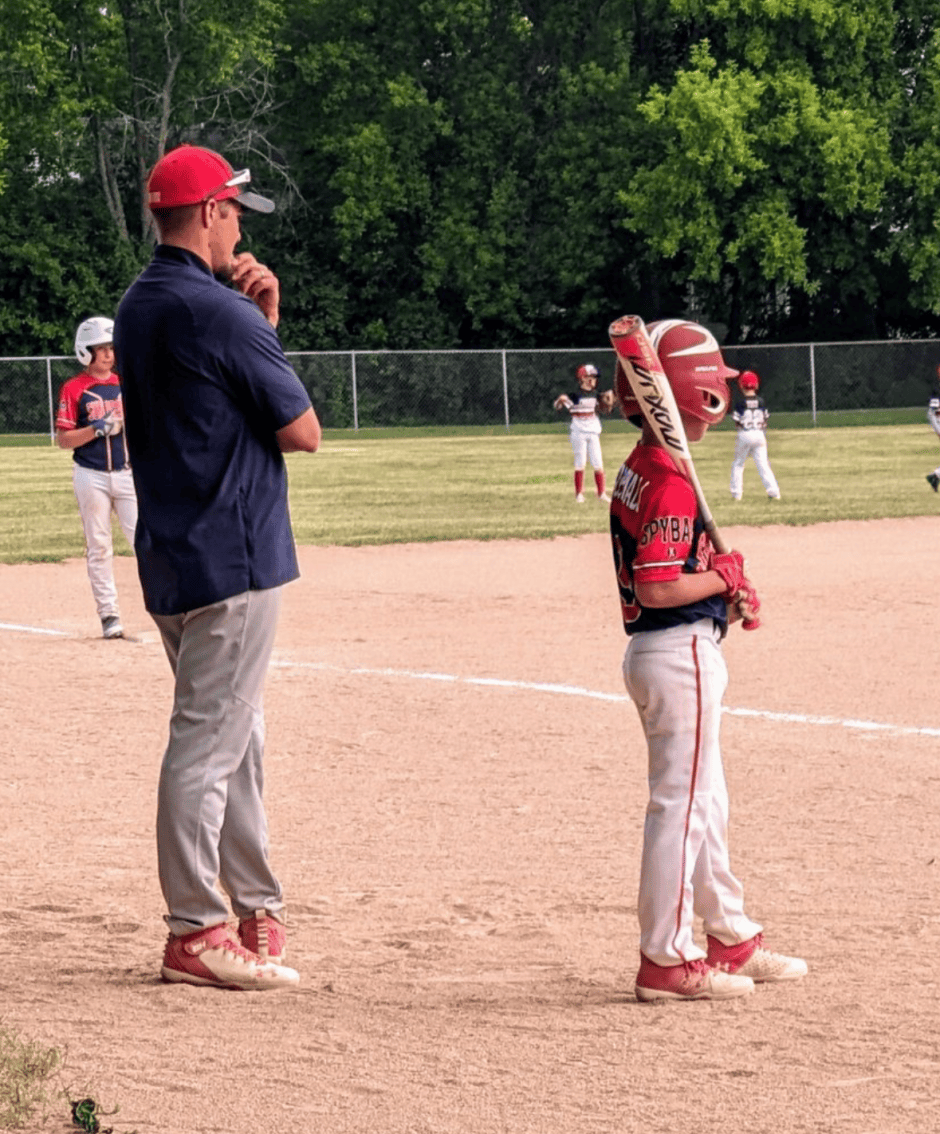
Bringing CALM to the Sidelines

There’s a moment right before every season when the whole house shifts. The calendar fills up, the gear comes out of the closet, and the car starts to smell a little like a locker room. In our house, our kids spend long hours throughout the year on the field or in the gym, and I can feel these shifts coming weeks ahead.

As a registered dietitian, I could talk about fueling our family all day. If you’re looking for the food side of season prep, my earlier post, Feeding the Growing Athlete, covers fueling for busy practice weeks. Today, let’s focus on the heart. I want to talk about something that shapes every practice, game, and meet just as much: how we show up for our athletes as caregivers. That’s where the CALM framework comes in. I introduced the CALM parenting framework in Baby(ies) to Big Kids, and we use it at home, in the car, and on the sidelines. 
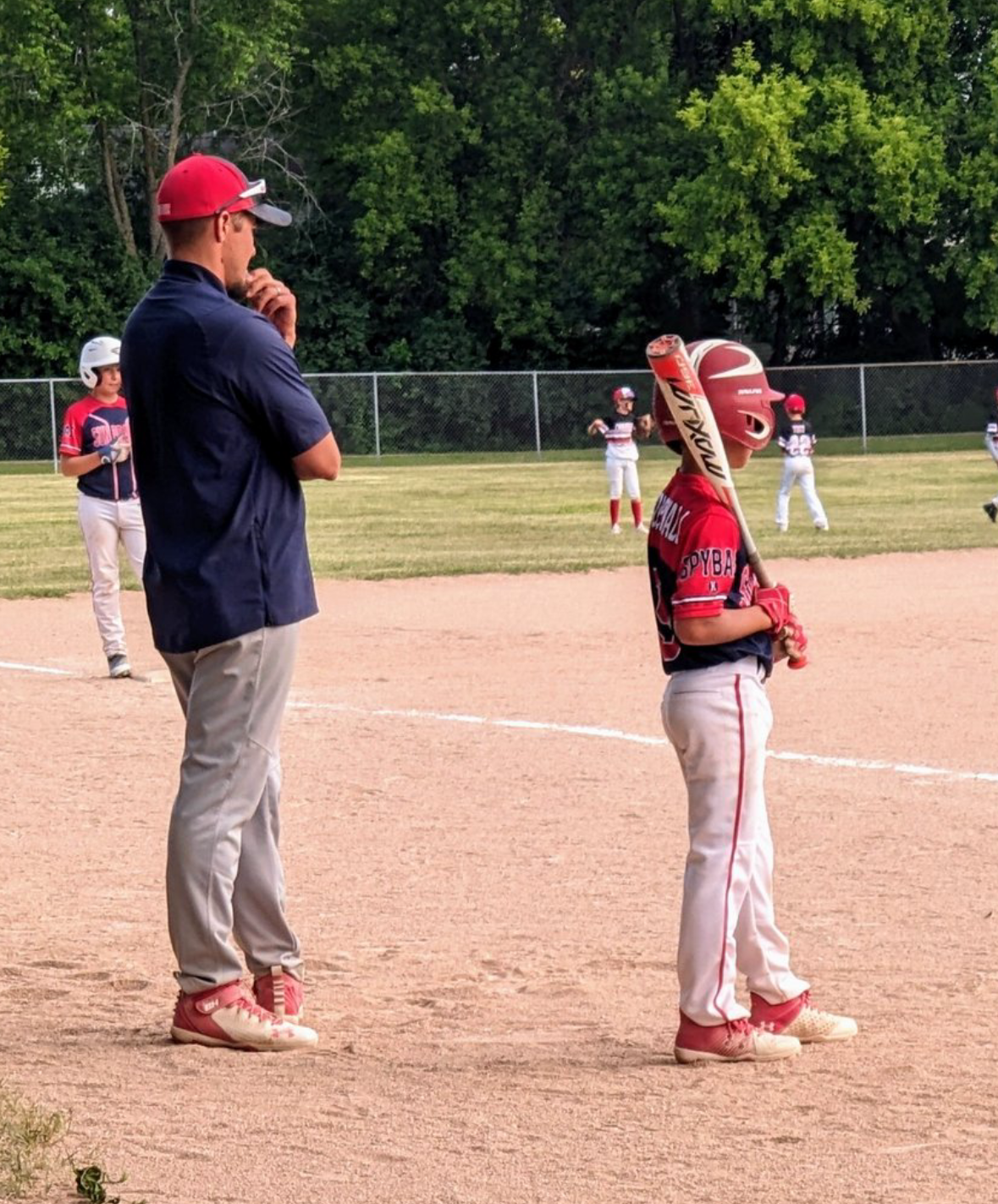
Stay Curious

Parents often toe the line of a coach. Those lines blur when caregivers coach their own kids, and some of you do, with a whistle around your neck and a clipboard in the car. But most of the time, we have a different role. Our athletes already have someone telling them what to fix. What they need from us is someone who wants to understand them.

Curiosity builds trust, and trust keeps the door open. When the car door closes after a game, it’s tempting to start with instruction (“You needed to follow through on that swing”) or assumption (“You must be so frustrated”). Instead, try leading with a question:

  • “How did that play feel for you?”
  • “What did you notice out there today?”
  • “Which play or event are you most proud of?”
  • “Is there anything you want to talk about, or do you want quiet for a bit?”

That last one matters. Sometimes curiosity looks like giving space and trusting they’ll come back when they’re ready. When we ask first, we learn what our kids actually experienced, which is often different from what we saw from the bleachers.

I definitely continue to stumble through this principle, especially letting my assumptions infuse my questions. I’m lucky to get a quick reminder when I do, because my kiddos speak up and usually ask, “Why would you think that?” This honest feedback helps me explain my perspective and quickly course correct to staying curious a little longer.

Remember, we’re not aiming for perfection; we’re all works in progress.
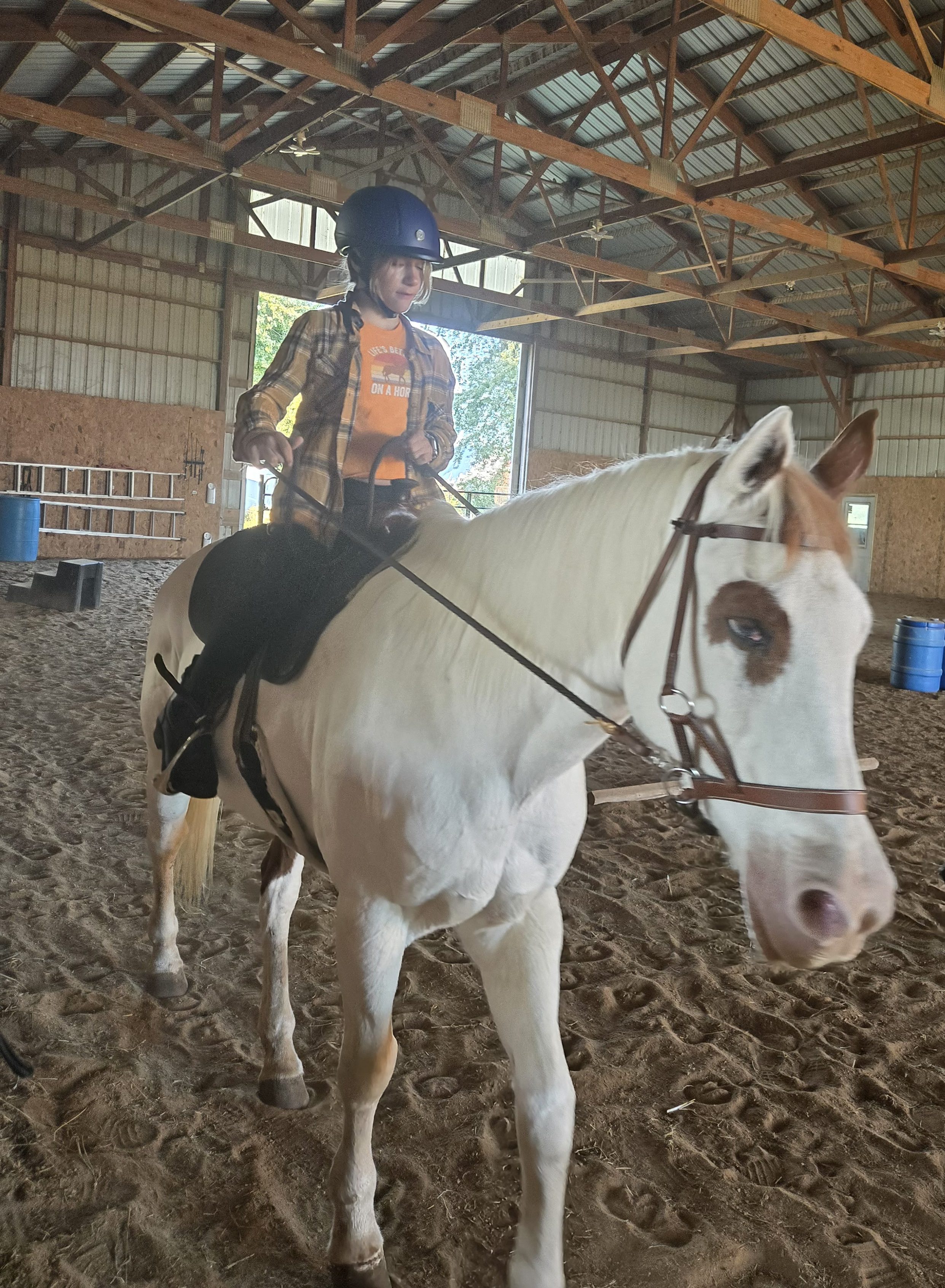
Anchor in Routine

Map the season before the season maps you. When the schedule runs us, everyone feels it: short tempers, rushed dinners, forgotten water bottles, and late nights that bleed into hard mornings. Routines don’t take the fun out of a season. They give kids a steady place to land.

Before the first practice, sit down together and look at the whole season:

  • Put every practice, game, meet, and travel weekend on one family calendar.
  • Mark the pinch points, like late practices, early mornings, and back-to-back days.
  • Decide ahead of time which nights are simple-dinner nights and which ones will need fast food to pinch-hit.
  • Build a night-before routine: bag packed, uniform or leo ready, water bottle filled, snack in the bag. If it’s the night before a game, it’s often helpful to talk through the pre-game meal since many young athletes already know which foods sit well before they compete.
  • Protect a wind-down routine on late nights so sleep still happens. We love incorporating visualization into these routines to help our athletes walk through their points of worry and start to paint the picture of how they define success. 

Let kids own pieces of the routine based on their age. Teens can pack their own bags and check the calendar themselves. That ownership builds confidence that carries onto the field, the court, and the mat.

Routine also gives you predictable moments to connect. The drive home, the post-practice snack, and the bedtime check-in become anchors your athlete can count on, win or lose.

Lead with Language

Sports bring out big feelings fast. In a single inning, a kid can feel pride, guilt, shame, embarrassment, and anger. When kids don’t have words for those feelings, they tend to come out sideways: slammed doors, tears on the field or in the car, or going quiet for the rest of the night.

We can help by giving them language. Naming a feeling makes it easier to understand and easier to move through. Here are a few that show up often in sports:

  • Pride: “I worked hard for that, and it showed.”
  • Guilt: “I feel bad because I think I let my team down.”
  • Shame: “I feel like I’m not good enough.” This one needs extra gentleness, because it’s about who they are, not what they did.
  • Embarrassment: “I didn’t want everyone to see me mess up.”
  • Anger: “That call felt unfair, and I’m mad about it.”

Growth mindset tips for naming feelings in a healthy way:

  • Separate the feeling from the person. “I made a mistake” is different from “I am a mistake.”
  • Add the word “yet.” “I can’t stick that skill yet” leaves room for growth.
  • Normalize the feeling. Big feelings mean they care, and caring is a good thing.
  • Ask what the feeling is telling them. Frustration might mean “I want to get better at this.”
  • Pair the feeling with a next step. “I’m disappointed, and tomorrow I’ll ask my coach what to work on.”
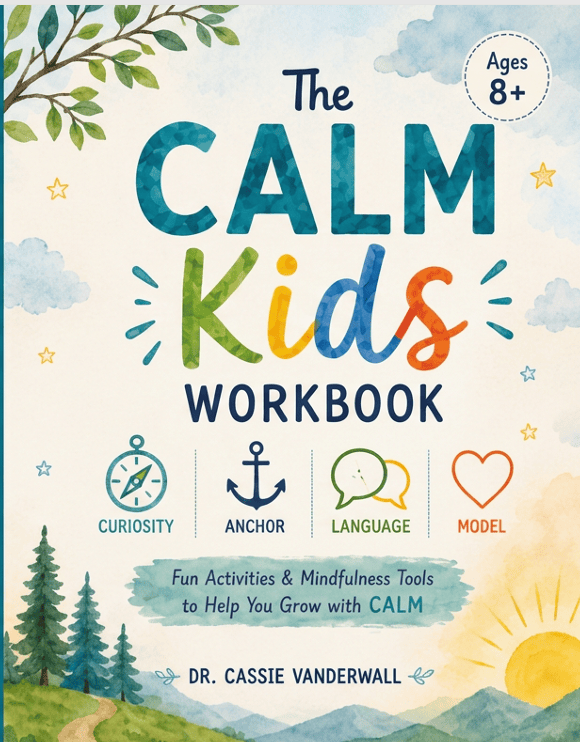
The CALM Kids Workbook gives kids their own tools to name and work through big feelings from sports, school and home.

In our family, we navigate mental health challenges and neurodiversity. These challenges don’t remove the need for a growth mindset. They often amplify it, because it’s easy to fall into a fixed mindset or even a victim mentality. We see these differences as a call to be a bit more considerate because words matter a lot, especially in a family of teens where minds can be really sticky and have a propensity to latch on to harsh words and criticism. To prevent these narratives from turning into game film that they’ll run over and over in their mind’s eye, we do our best to lead with language and communicate directly so no one is left guessing.

Model Emotional Regulation

This one is for us. It’s easy to get heated at a ref, an umpire, a coach, or another player. We love our kids, and passion runs high in the stands. But our athletes are watching how we handle big moments, and they learn more from what we do than from what we say.

Modeling emotional regulation doesn’t mean we stop caring or sit silently on the sidelines. It means we show our kids how to feel a big feeling, filter it, and respond in a way that’s still appropriate. We can stay passionate and still stay kind.

  • Notice it: “I’m feeling really frustrated with that call.”
  • Pause: take a breath, stand up, or walk a few steps before reacting.
  • Filter it: ask yourself whether what you’re about to say helps your athlete or the team.
  • Choose your response: cheer for effort, clap for both teams, and save concerns for the right time and the right person.
  • Repair when needed: if you lose your cool, own it later. “I got too heated today, and I’m sorry. Here’s what I’ll try next time.”

That repair might be the most powerful lesson of all. It shows our kids that everyone has big feelings, and that we can make it right when we get it wrong. The CALM Parenting Workbook walks caregivers through these moments with practical tools you can use at home and in the stands.

Bringing It All Together

A strong season isn’t only about the scoreboard. It’s about kids who feel understood, supported, and steady, no matter how the game goes. When we stay curious, anchor in routine, lead with language, and model emotional regulation, we give our athletes something that lasts far longer than one season.

Here’s to a season full of growth, grit, and grace.

Ready to bring CALM home this season? Find Baby(ies) to Big Kids, The CALM Parenting Workbook, and The CALM Kids Workbook at https://bump2babies.blog/the-books/.

The Gift of Written Word

There’s something powerful about taking a story that lives in your heart and finally putting it into words.

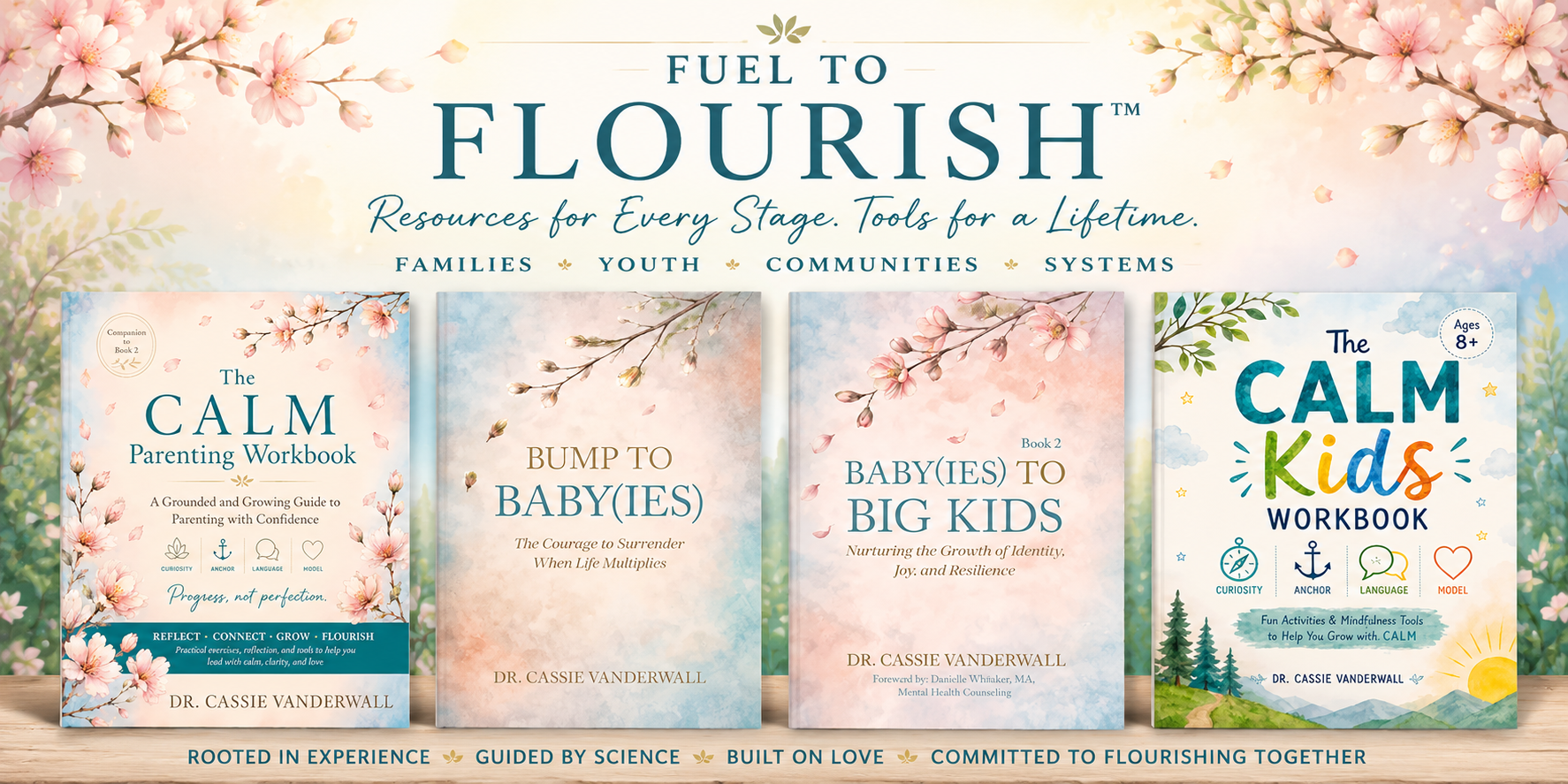
I’m incredibly grateful to Motivational MD Publishing for helping me transform one story into a growing collection of books and, ultimately, a bigger vision for Fuel to Flourish™.

Sometimes writing a book doesn’t just tell your story. It helps you discover what you’re meant to do with it!

Get Your Copy(ies)

Check out Motivational MD Publishing

Looking Back after 13 Years

Every July I open the virtual photo albums and reminisce over the last 365 days. I smile, I cry, I chuckle, I think about the “what if’s” and let those worries go, and count my blessings: 1, 2, 3, 4, and 5. I compile photos that articulate where each member of the V5 started the previous year and who they became. I add photos I know that they’ll cherish and sprinkle in a few that I know will make them cringe but smile inside. Then, I listen to countless songs trying to find the right one that I know they’d listen to and think, “yep that was me at 13.” My favorite part of building these collages is watching them one-on-one with each of them. We always catch little mistakes the first time through and they beg for me to take a photo out but they typically stay. Each one ends with a side hug and kiss on their head.

Join me as we look at Theo, Bella, Lily, Kali and Ellie over the last year!

Happy 13th Theo!

Happy 13th Bella!

Happy 13th Lily!

Happy 13th Kali!

Happy 13th Ellie!

Ellie’s audio: How to save a life: https://youtu.be/cjVQ36NhbMk?is=RGcdU_DVxLikDQpT

From Baby(ies) to Big Kids: Thirteen Years of Becoming

This week, the V5 turn thirteen. Thirteen. I sat with that sentence for a minute because for so long, our story was defined by the beginning. The shock of discovering there weren’t one, two, or even three babies growing inside me but five.

The appointments. The preparation. The uncertainty. The NICU. Then, the bottles and diapers and feeding schedules. Five car seats. Five cribs. Five tiny people who somehow needed us all at once.

When I wrote Bump to Baby(ies), I told the story of how our family began. It was a story about pregnancy, surrender, survival, and discovering courage when life multiplied in ways we never could have imagined.

That first season passed quickly. The days were long but the years short. They became toddlers with opinions. Preschoolers with personalities. Elementary schoolers discovering friendships, sports, strengths, and struggles. And now, somehow, they are teenagers.

The Story After Survival

People have asked us versions of the same question since the kids were born: How do you do it with five?

When they were babies, the answers were practical. Schedules. Systems. Preparation. Teamwork. And probably more coffee than medically advisable.

But as they grew, the question became much more complicated. How do we raise five children at the exact same age while honoring that they are five completely different people?

How do we create structure without controlling them?

How do we help them become resilient without protecting them from every struggle?

How do we teach responsibility while making home a place where mistakes are safe?

How do we stay connected as schedules, sports, school, friends, emotions, and independence begin pulling everyone in different directions?

And maybe the biggest question of all: How do we raise children who know they are deeply loved while preparing them to eventually walk into the world without us?

I definitely don’t have all the answers. Thirteen years into this parenting, social experiment, I’m more convinced of that than ever.

What I do have are lessons. Lots and lots of lessons. Some learned beautifully. Others learned the hard way.

One of the surprises of parenting has been realizing that children aren’t the only ones growing. The parents we were when five babies came home are not the parents we are today.

We’ve learned that connection matters more than control. That repair matters more than getting every interaction right. That our children can share the same home, the same parents, and even the same birthday and still need completely different things from us.

We’ve learned to laugh. We’ve learned to apologize. We’ve learned to have hard conversations. We’ve learned that sometimes the best parenting happens around the dinner table, driving to practice, or during a completely ordinary Tuesday night.

And we’ve learned that resilient families aren’t families without struggle. They’re families who learn how to move through struggle together. That became the heart of Baby(ies) to Big Kids.

A Book About Becoming

Baby(ies) to Big Kids isn’t a story about how we figured out parenting. Quite the opposite. It’s about what we’ve learned while figuring it out.

The CALM parenting framework is about raising resilient kids while continuing to become resilient adults. It’s about communication rooted in curiosity, anchoring values, connection through words and actions, responsibility, emotional awareness, and creating a family culture intentionally even when real life is loud and messy.

And because reading about these ideas only takes us so far, the story grew again. I created companion workbooks for parents and youth so families could move from reading about resilience and connection to actually practicing them together. What began as a story had become a set of resources. 

We Were Never Meant to Do This Alone

There’s another lesson woven throughout these thirteen years that deserves its own chapter: Family resilience doesn’t happen in isolation.

Our children have been shaped by grandparents, teachers, coaches, healthcare professionals, neighbors, friends, and people who have simply shown up again and again. So have I.

We have been privileged to grow up alongside two of our people, Alex and Danielle. Frank and Alex became best friends in high school, two kids from neighboring towns bonded by Seinfeld, classic rock, and countless hours writing and playing music in Alex’s basement before rocking talent shows and benefit concerts together. Their friendship followed them to college, where they joined the same fraternity and eventually served as president and vice president, and where Alex met Danielle, who quickly became part of our story,  too. Over the years, the four of us have celebrated, struggled, built careers, raised families, laughed, challenged one another, and become family. We are iron that sharpens iron, but perhaps our greatest lesson has been that even strong people need a village.

Danielle has been part of ours through so many chapters, which makes it especially meaningful that she wrote the foreword to Baby(ies) to Big Kids. There is something incredibly special about having someone who has witnessed the messy middle of your story help introduce it to the world.

And Now There Are Five Teenagers

On the weekend of their thirteenth birthday, I find myself looking backward and forward at the same time. I can still see those five tiny babies. But I also see five young people becoming increasingly themselves. And I know the next chapter will bring questions I haven’t even thought to ask yet.

But this week? I’m going to celebrate five thirteen-year-olds. I’m going to marvel at the fact that somehow we made it from five NICU isolettes to five teenagers. And I’m going to remind myself that we still haven’t arrived. Thank goodness.

Happy 13th birthday, Theo, Bella, Lily, Kali, and Ellie!

What an extraordinary adventure it is to grow alongside you.

Looking Back at Bella | 2022-2023

Sweet Bella Bean continues to walk to the beat of her own drum. She remains our fearless fashionista who can make any pattern or color scheme work. Her pace of life is about as fast as the clouds passing by. Her cadence paired with her empathy is a divine recipe. She has a sixth sense about noticing God’s handiwork from natural anomalies to a water color sunset. Bella is also the first to know who needs a hug. Her big hugs squeeze the hardship right out of you, leaving room for all her love she has to share.

Now, a look back at Bella’s last year!

Belle at eight years…

Bella at seven years…

Bella at six years…

Bella at five years…

Bella at four years…

Bella at three years…

Bella at two years…

Bella at one year…

Bella’s First Year…

Looking Back at Theo | 2022-2023

My buddy and Dad’s best friend is living his best life. This budding second baseman would spend all of his waking hours playing ball with his neighborhood buddies. And, this summer, he has! Theo loves routine and he’s pleased with a copy and paste type of day. However, watch out when he and Bella get the giggles because they’re unstoppable. Their sillies don’t cease until they say so. It is a true privilege to watch this young man tackle life and learn from his inquisitiveness, gentle nature and saint-like patience.

Now, a look back at Theo’s last year!

Theo at Eight Years…

https://player.vimeo.com/video/734547150?h=7aaaec4d1cu0026amp;badge=0u0026amp;autopause=0u0026amp;player_id=0u0026amp;app_id=58479

Theo at Seven Years…

Theo at Six Years…

Theo at Five Years…

Theo at Four Years…

Theo at Three Years…

Theo at Two Years…

Theo’s First Year…

Looking Back at Ellie | 2022-2023

Ellie Rose continues to find her way to the top in all that she does from schoolwork to gymnastics. They told us she’d be our determined one with all of the complication in utero and they were right! She is wise beyond her years and always able to call out the elephant in the room with ease and clarity. If she doesn’t find her way into the Oval Office in 2053 we are hedging bets that she’ll be a compassionate leader wherever she lands.

Now, a look back at our Ellie Rosie over the last year!

Ellie at eight years…

https://player.vimeo.com/video/734546925?h=00f58edd77u0026amp;badge=0u0026amp;autopause=0u0026amp;player_id=0u0026amp;app_id=58479

Ellie at seven years…

Ellie at six years…

Ellie at five years…

Ellie at four years…

Ellie at three years…

Ellie at two years…

Ellie at one year…

If you really want to turn back the clock, check out Ellie’s First Year…

Looking Back at Kali | 2022-2023

From her first monkey screech, we knew this girl had to be heard. K is an astute observer and is learning daily the power she holds with her tongue. While impulses are her kryptonite, her sky blue eyes are ours. She has learned at her young age how to put on a social mask. However, Her feelings can’t be hidden because she wears them on her sleeve. She may be the toughest of our nuts to crack, but when you do you find the purest joy and love.

Now, let’s look back at Kali over the last year…


Kali at eight years…

Kali at seven years…

Kali at six years…

Kali at five years…

Kali at four years…

Kali at three years…

Kali at two years…

Kali at one year…

If you really want to turn back the clock, check out Kali’s First Year…

Perfectly Imperfect

Perfectly Imperfect – The Dawning of New Era

As I sit down to write today, I am watching the rain fall along the panes of our windows. Cold, wet days often don’t bring the joy of bright, blue 72-degree weather but rather tend to slow many down and often times slow us down enough to see the muffled memories or quiet reflections in our mind. I have been pondering what, when and how of what I’d like to share in this post for several weeks. Today, I decided to simply put pen-to-paper or rather fingers-to-keys.

Today, my story is intended to empower families and caregivers in fostering mental healthcare in their homes and creating a compassionate space for each other. There is no doubt that the COVID-19 pandemic heightened stress and brought about new stressors for all people. I often wonder how my children will recall these last few years. Will they remember the isolation sadly? Or will they recall the extra time each other and Nana has their second-grade teacher fondly? Will they recall the big feelings that they navigated with pride or remorse?

I recognize that their reactions and recollections are out of my locus of control but my response in the here and the now is. The last year and beyond we have navigated budding mental health concerns that we knew would eventually arise due to the prevalence in our genetic pool. At first, we sought out strategies to combat the stress. We tried T.I.P.P. breaks, individual and family therapy, breathing exercises, bedtime and wake up routines, more structure, less structure, lavender, diffusers, the list goes on and on. Scenarios would improve temporarily but then we felt like we were back where we started and often times in a worse situation.

We have come to realize that this approach is simply exhausting. What if we rather embraced the stress? And, while we’re at it, what if we also embraced that are mental and emotional wellbeing don’t have to perfect? It is freeing to own that fact that we’re perfectly imperfect!

How to Embrace Being Perfectly Imperfect

  • Don’t Combat Stress, Combat Stigma.

We begin with education and the opportunity to educate ourselves and others about mental health disorders using resources such as NAMI.org or the CDC. This includes being conscious of our language and labeling of others using mental health conditions as adjectives.

  • Separate the Person from the Condition.

People First language puts the person before their diagnosis and/or ability. It acknowledges that their identity is not in their medical condition or history but rather who they are.

  • Equate Physical and Mental Illness.

We don’t discourage people from going to the doctor when they are physically ill, but some think twice about pursuing mental healthcare. The brain is vulnerable to disorder just as other organs in our body. When we can correct disruptions or abnormalities in brain function with medication, equip a young mind for healthier growth, create a mental environment that permits therapies to “stick” and provide that individual with a tool to achieve more equitable experiences.

  • Own Your Story.

I encourage everyone to find time to reflect upon your story. Whether you choose to share it or not is up to you. Sharing our stories make us truly vulnerable. However, the reward from sharing with safe people can be greater than the risk. Human connections are made through stories. In our weakness, we become stronger.

Our Story

If you were to open the medical charts of our family, you would see anxiety, ADHD, bipolar disorder, depression, oppositional defiant disorder, and panic disorder. We are not strangers to mental illness nor the therapies that accompany them. I, personally, appreciate the fact that my parents exposed me to mental healthcare providers at a young age because I became comfortable and accepting of this resource. Years later, when Frank and I perceived that there may be more to the tantrums we were witnessing, the first place we looked for help was a LCSW. Even with our personal relationships with therapists over the years, when the psychiatrist recommended medication for one of our children we were a bit taken back.

I asked myself questions like… “is it really that bad?” “have we exhausted all of our alternative therapies?” “what will their siblings think?” “will they need to take it forever?” It was in this moment that I realized I was standing in the way of a potential solution for my child. Then, I looked into their young eyes and asked if they’d like to try it. They held their gaze and provided a confident yes.

Needless to say, we started the medication and while the story is not over, the chapter filled with fear, horrific bedtimes, concerns for self-harm, and words that belong only in parents’ nightmares is closed. We are experiencing a rainbow as the sun emerges upon our personal storm. With this dawn, we see restored sibling relationships, the return of a sparkle in their eyes and a little more peace of mind.

Rainbow At The Dawn Photograph by Edward Pacil

I would be remiss in a post like this to not offer immediate help for those who feel ready. If you or a loved one are seeking help, know that it is there. SAMHSA’s National Helpline is a free, confidential, 24/7, 365-day-a-year treatment referral and information service (in English and Spanish) for individuals and families facing mental and/or substance use disorders. They can be reached at 1-800-662-HELP (4357)

Looking Back at Lily (2020-2021)

Make-believe Lily is always up for an adventure! Her magical schemes lead her out into the yard using sticks as sceptors riding imaginary horses and jaquins. While she is not your everyday princess, Lily’s magical spirit and transform a room from gloom to laughter.

She is a natural entertainer and hopes to foster her skills at singing and playing the ukelele. Thank you to Uncle JD and Papa Ron for her lessons!

Lily is also an animal lover and is committed to helping Cooper (our new goldendoodle) stay active everyday. She also makes it a point to say good morning and goodnight to Mittes, our kitty, too.

Lily’s eyes are set on becoming a baker when she grows up. She hopes to own her own cafe where she is the lead cook and baker and keeps a secret menu for those who may not have enough money to pay for their own meal. I have a lot to learn from Ms. Lily’s perspective on life.

Join me as we take a look back at Lily’s last year to the tune of Walking on Sunshine by Katrina and the Waves…

Lily at seven years…

Lily at six years…

Lily at five years…

Lily at four years…

Lily at three years…

Lily at two years…

Lily’s First Year…