
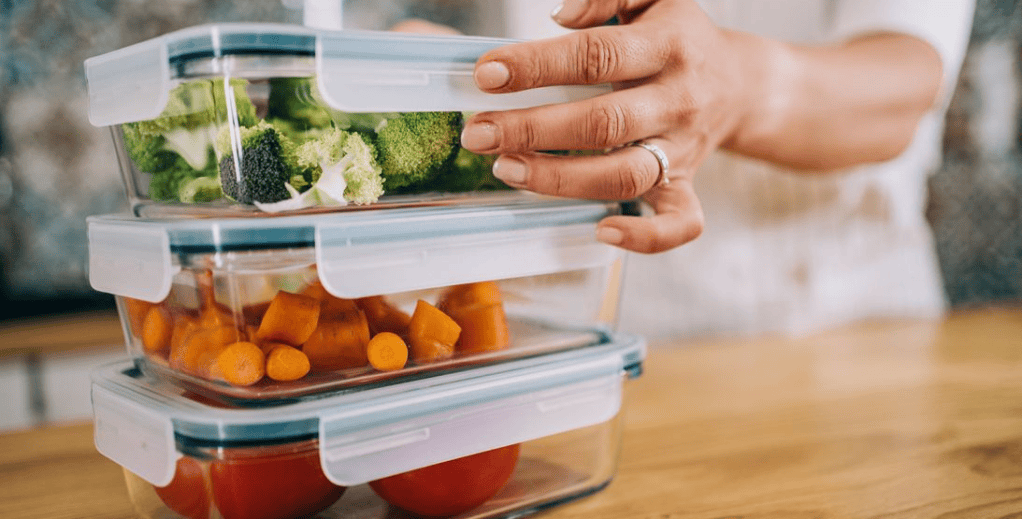
It’s 3:35p.m., One kid needs to be at football by 4:45. Another is lacing up for a cross-country meet. Three more need to be at the gym in a leotard with their hair up 3 towns over, and all five have a science project due tomorrow. That’s a normal Tuesday at our house.
I’m a mom of five teens who also is a dietitian, and I still don’t have a perfect meal plan. What I do have is a plan that works most days, holds up on the messy ones, and keeps five growing bodies fed enough to learn, train, and recover.
The goal isn’t perfect nutrition. It’s a simple plan for real life.
What “Fueling the Growing Body” Really Means
Practice starts before your kid walks in the door. Food, fluids, and recovery are part of training, just like drills and conditioning. Teen athletes are asking their bodies to do three big jobs at once:
- Grow. The early teen years bring some of the fastest growth of their whole life: bones, muscles, brains, hormones, all of it.
- Learn. A full school day takes real energy. Focus, memory, and mood all run better on regular meals.
- Train. Practice, games, meets, and conditioning burn a lot on top of everything else.
When you add those up, most teen athletes need more food than parents expect, and they need it spread out across the day. This is not the season for cutting, skipping meals, “eating clean” to the extreme, or trying to change body size for a sport. A growing athlete who’s under-fueled doesn’t just feel tired. Their body starts making trade-offs, and growth and bone health are often the ones that pay.
So in our house, the question isn’t “Is this the healthiest possible food?” It’s “Did they eat enough, often enough, to do everything we’re asking of them today?”
The Busy-Week Map
Here’s how a typical school-and-practice day breaks down for us. Every family’s schedule is different, so borrow the parts that fit.
Before School: Breakfast Counts
Breakfast is the first fuel stop of a long day. It doesn’t need to be fancy. It needs to happen.
Quick ideas that work in our kitchen:
- Eggs + a bagel + avocado or peanut butter (or a seed butter)
- Overnight oats with Greek yogurt and a fruit and nuts of their choice
- Peanut butter (or seed butter) and banana on toast
- A smoothie with yogurt, fruit, and oats, plus a handful of nuts on the way out
If your teen “isn’t hungry” in the morning, start small. A glass of milk and a banana is better than nothing, and appetite often grows once breakfast becomes a habit.
Packing the Day: Lunch and the Backpack Snack
Lunch is what powers the afternoon and the start of practice. A lunch that’s just crackers won’t cover it. We aim for carbs + protein + a healthy fat (more on that formula below).
Then there’s what I call the backpack snack, the one they eat between classes when lunch didn’t last. This snack does a lot of heavy lifting, especially when lunch was at 10:45 and dinner is still hours away. Pack it the night before. Future you will be grateful.
After School, Before Practice
This is where a lot of teen athletes come up short. Lunch was hours ago, and they head straight into training running on fumes.
The general rhythm:
- A fuller meal a few hours before practice (that’s usually lunch).
- A smaller, easy-to-digest snack closer to practice, mostly carbohydrate with a little protein. Think fruit + a cheese stick, pretzels + a yogurt, half a sandwich, or a granola bar + milk.
Closer to practice, keep high-fat, high-fiber, and very heavy foods lighter. They digest slower and can leave some kids feeling sluggish or crampy, especially runners and gymnasts who are moving, flipping, or bouncing.
Dinner (In the car or at 8 p.m.)
Late dinners are real life in sports families. It’s okay. Dinner is still a full meal: carbs, protein, healthy fat, and some color from fruits or vegetables. If dinner is very late, the after-practice recovery snack becomes even more important so nobody hits the table starving and wiped out.
And then: homework, shower, sleep. Sleep is when a lot of growing and recovering happens. Protect it like you’d protect practice time.
The Next Morning
Recovery doesn’t end at bedtime. Breakfast the next morning restarts the cycle, especially after a hard practice, an evening game, or a long meet day.
The Build-a-Meal Formula
When I’m tired and the fridge is half-empty, I fall back on one simple formula:
Carbs (grains and fruit) + protein + a healthy fat
- Carbs are the main fuel for training and for the brain. Think bread, rice, pasta, tortillas, oats, potatoes, crackers, and fruit.
- Protein helps build and repair muscle and supports growth. Think meat, chicken, fish, eggs, dairy, beans, and tofu.
- Healthy fats help with fullness, growth, and overall health. Think avocado, nut or seed butters, nuts, seeds, olive oil, and cheese.
Add a fruit or vegetable when you can.
Meal Ideas That Work Across Sports
These are on regular rotation at our house. Most travel well, and many can be made ahead.
- Meat and cheese sandwich + an apple with peanut butter or seed butter
- Chicken and rice with sliced avocado
- Protein pasta with your favorite sauce
- Eggs + bagel + avocado or peanut butter (or seed butter)
- Tortellini with red sauce and spinach
- Turkey and cheese wrap + fruit
- Hawaiian pita: ham, pineapple, and cheese tucked into a pita
- Taco bowl: rice, seasoned meat or beans, cheese, salsa, and avocado
- Mediterranean bowl: rice or quinoa, chicken, cucumber, tomato, hummus, and feta
- PB&B: peanut butter (or seed butter) and banana on bread or a tortilla
- Tuna salad with crackers or on a sandwich
- Overnight oats with fruit and a spoonful of nut or seed butter
- Mini pizzas on sandwich thins
- Meat and cheese snack box with crackers, fruit, and cheese curds
Nut allergy at home or at school? Almond butter, seed butter, or organic soy-based spreads swap in nicely almost anywhere you see peanut butter. Always check your school’s or team’s allergy rules, and read labels for cross-contact.
Hydration: Top Priority
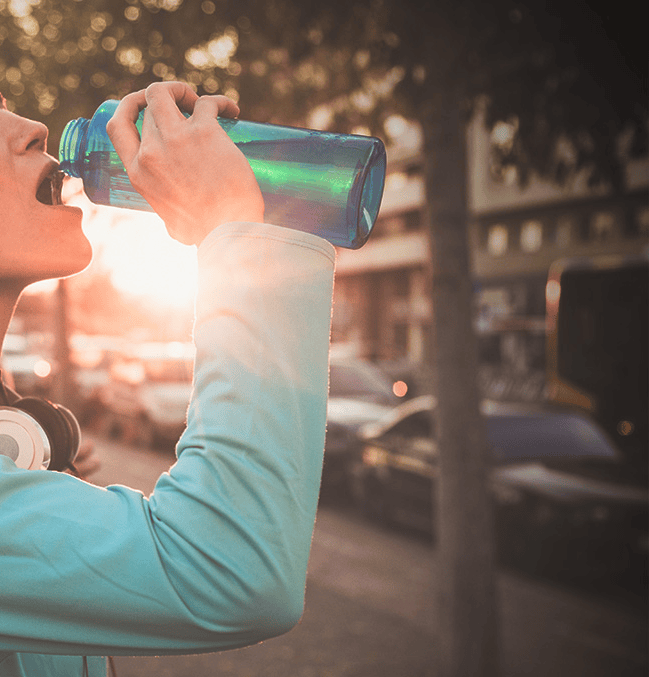
If you only change one thing this week, make it water. Even mild dehydration can make practice feel harder and leave kids feeling tired, headachy, or off. And teens are notorious for forgetting to drink until they’re already thirsty.
What works for us:
- Send a full water bottle to school every day, and refill it before practice.
- Drink through the day, not just at practice. Chugging a bottle in the car rarely makes up for a dry school day.
- For longer or harder sessions (think long runs, hot football practices, two-a-days, all-day meets or tournaments), fluids with electrolytes and some carbohydrate, like a sports drink, can help replace sweat losses and support energy. For a regular practice of about an hour, water is usually enough.
- Pay attention to heat. Hot days, heavy pads, and indoor gyms without air conditioning all raise fluid needs.
A Note on Caffeine
Energy drinks, pre-workouts, and coffee drinks are everywhere, and teens see older athletes using them. Caffeine isn’t recommended for kids and teens. It can disrupt sleep, which growing athletes badly need for recovery, and it can leave some kids jittery, anxious, or with a racing heart. Energy drinks – even Bubbler – are a firm no in our house. A good snack, enough water, and a decent night’s sleep do far more for a teen athlete.
Between Sessions, Drills, or Events
Hydration is the priority here. For long sessions, two-a-days, tournaments, or meets, a small, easy carb snack during breaks can help support energy.
On long days with breaks, such as meets, tournaments, or races with multiple events, easy options include:
- Applesauce or yogurt pouches
- A smoothie
- Fruit, pretzels, or crackers
- Trail mix
A sport-specific tip on trail mix: it’s great between sessions, but it’s heavier on fat and fiber, so it’s not ideal right before or in the middle of training. For gymnastics, save it for longer breaks rather than between rotations. For football, it works better at halftime of a long day or after practice than mid-drill. For cross-country, save it for after the race; before a run, stick to simpler carbs like a banana or pretzels.
Recovery: Refill the Tank
The car ride home is prime refueling time. A snack with carbs + protein within about 30 to 60 minutes after practice helps muscles recover and refills the tank, especially when dinner is still a ways off. We keep recovery snacks in the car for exactly this reason.
The simple rule: Carbs + protein within about 30 to 60 minutes.
After harder or longer sessions, some families like aiming for roughly twice as many carbs as protein. That ratio is optional. Getting a solid mix of carbs and protein in, and soon, is what matters most.
Our Favorite Recovery Picks
- Cottage cheese + crackers + peaches
- Snackle box: nuts or seeds, pretzels, cheese, and dried fruit in a tackle-box-style container
- Yogurt parfait with granola and berries
- Trail mix (with seeds instead of nuts if needed)
- Bagel with peanut butter or seed butter + a hard-boiled egg
- Chocolate milk + peanut butter toast (or seed butter toast)
- Eggs in a frame: an egg cooked in the middle of a slice of toast
- Half a turkey sandwich + a piece of fruit
- Leftover pasta or rice bowl from last night’s dinner
Chocolate milk deserves a special shout-out. It’s cheap, kid-approved, travels in a lunch box with an ice pack, and brings both carbs and protein plus fluid.
When to Worry: Signs a Teen Athlete May Be Under-Fueling
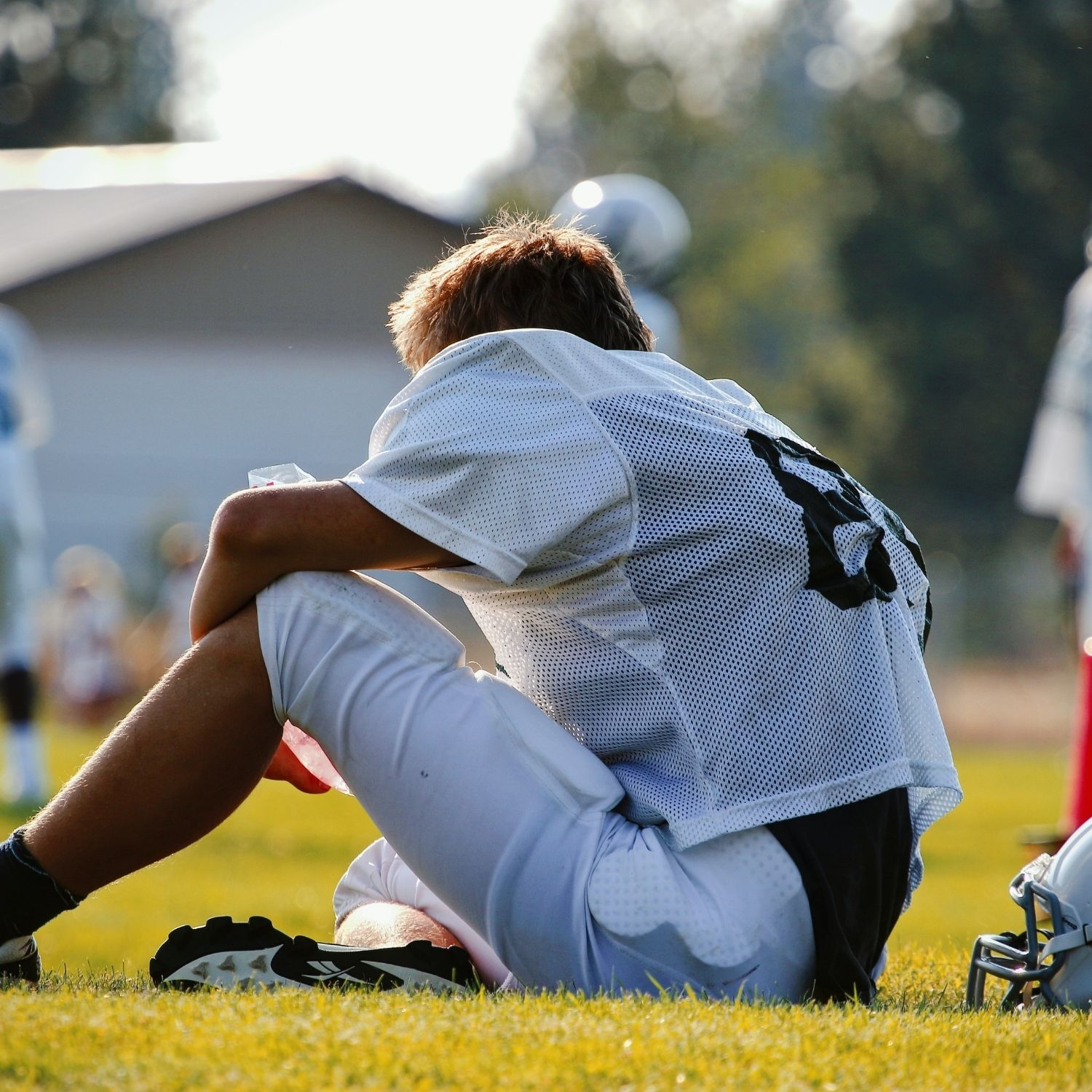
This section is for parents and the clinicians who care for your child, like your pediatrician or a registered dietitian. It is not a checklist for coaches to screen athletes. If you notice something, the next step is a conversation with your child’s doctor or dietitian.
One symptom on its own doesn’t mean something is wrong. Teens get tired, moody, and hungry for all kinds of reasons. But several of these together, or signs that keep showing up, deserve attention:
- Low energy that doesn’t bounce back with rest
- Performance stalling or getting worse despite hard training
- Frequent injuries, especially stress fractures or injuries that are slow to heal
- Getting sick often
- Mood changes: more irritable, anxious, down, or withdrawn
- Trouble focusing at school
- Growth slowing, or weight dropping or stalling during a time they should be growing
- Feeling cold all the time, dizziness, or lightheadedness
- Skipping meals, eating much less than teammates, or avoiding whole food groups
- Strong worry about food, body size, or “earning” food through exercise
- Changes in periods: periods that stop, become irregular, or haven’t started when expected
- Labs that keep coming back low (like iron) at checkups
What’s Going On When Athletes Under-Fuel
When an athlete consistently doesn’t eat enough to cover training plus growth plus everyday life, the body starts cutting back to save energy. Doctors call this relative energy deficiency in sport, often shortened to RED-S. In plain words: there isn’t enough fuel for the amount of training.
You may also have heard of the female athlete triad. That describes three connected issues in girls and women: not enough fuel, changes in periods, and weaker bones.
But this isn’t just a “girl thing.” Boys and teen athletes of every gender can under-fuel too. It can show up as low energy, mood changes, slowed growth, hormone changes, and more injuries. My son’s football schedule and my daughter’s cross-country miles can drain a body just as fast as my gymnasts’ practices.
Many cases aren’t on purpose. A busy schedule, a small appetite, a long gap between lunch and practice, or a big growth spurt can all leave a kid short without anyone noticing. Sometimes, though, under-fueling is tied to disordered eating or an eating disorder.
Early care matters. Getting help sooner lowers the chance of lasting effects on growth, bones, and health. If you’re worried, call your pediatrician and ask about seeing a registered dietitian who works with young athletes.
If you suspect an eating disorder, please don’t try to handle it with a meal plan. This post isn’t medical advice or treatment for eating disorders. Reach out to your child’s doctor right away. If there are signs of immediate danger, such as fainting, chest pain, or thoughts of self-harm, seek urgent care or call or text 988.
A Simple Plan Beats a Perfect One
Most weeks at our house are not Pinterest-worthy. There are drive-thru nights, cereal-for-dinner nights, and nights when somebody eats a granola bar in the car while finishing a worksheet. That’s okay.
What keeps us steady is a handful of simple habits:
- Eat breakfast, even a small one.
- Pack the backpack snack the night before.
- Carry a water bottle everywhere.
- Fuel before practice: carbs + a little protein.
- Refuel after practice: carbs + protein within an hour.
- Protect sleep.
- Watch the big picture, and loop in your pediatrician or dietitian if something feels off.
Our kids are growing, learning, and training all at the same time. When we fuel them for all three, they don’t just perform better. They have what they need to grow, recover, and enjoy the sports they love.
That’s what Fuel to Flourish™ is all about.
This post is for general education and isn’t a substitute for individual medical or nutrition care. Every athlete is different. Talk with your child’s pediatrician or a registered dietitian about your family’s specific needs, allergies, or health concerns.