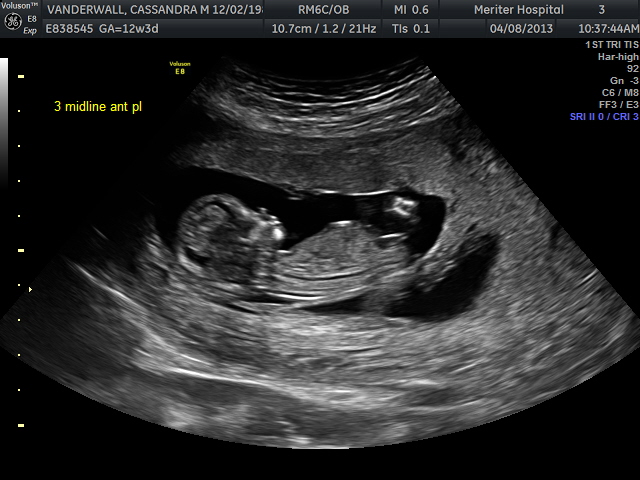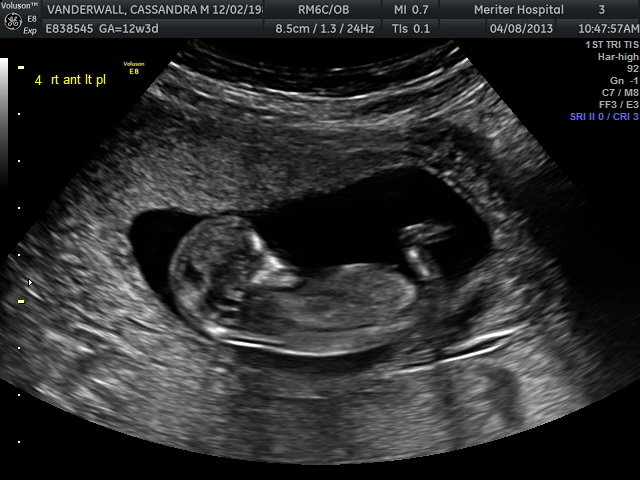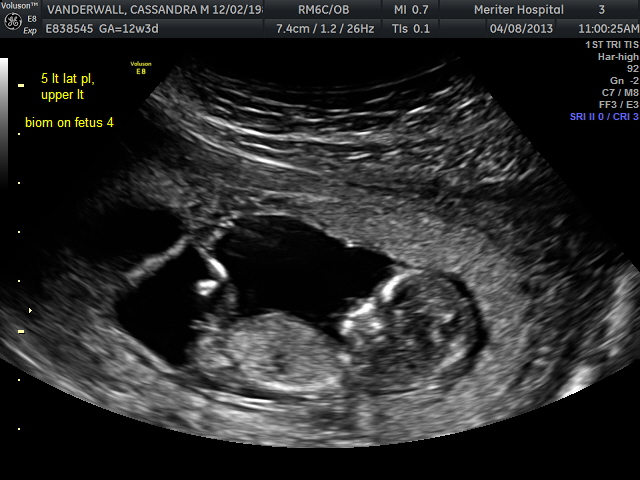
Happy 3rd Trimester!

We have reached yet another milestone in this pregnancy! In just a few days we begin our 3rd trimester!

I did thisAlthough the third trimester often brings aches, pains, and discomfort from gaining half of your original body weight it also brings the joy of knowing that- for me- in 9 weeks or less, I will be holding each of these beautiful miracles!

24 weeks, or 6 months, is a critical milestone because it is the point in the pregnancy where doctors will consider your pregnancy viable, or in other words if you give birth after 24 weeks your doctor’s will help to save your babies. Therefore, from this point on the babies are coming, it’s just a matter of when.

The average gestation for quintuplets is 26-27 weeks, which for me would be in 1-2 weeks. However, my current perinatologist’s average for quint pregnancies is 33 weeks and 1 day, and of course my personal goal is 34 weeks! When it comes to high order multiples average just isn’t good enough.

So, how does this compare to a singleton pregnancy if we make it to 34 weeks? Well, being born at 34 weeks for 5 babies is about the same as being born at 30 weeks for 1 baby. According to all of the statistics, the risk of brain bleeds, respiratory distress, cerebral palsy, etc. all plummet at 28 weeks (you can read more about this in my previous post, entitled Visit to the High Risk Clinic).

Our outlook is pretty good. At my last doctor’s visit on Tuesday, I was informed that I might be able to stay out of the hospital for another 3-4 weeks. This was music to my ears because:

  1. Most make it another 4+ weeks after admission to the hospital before giving birth.
  2. Our pregnancy is stable enough for me to continue to enjoy the perks of living in a home.
  3. Hospital food doesn’t even come close to my mom’s delicious and nutritious cooking!

We also learned at our previous visit that all of the babies are growing at a similar rate now; they are all between the 60th-70th percentiles. My side of the family is known for making big babies, so we’ll see how this plays out. The only difference was that Baby B’s legs were much, much longer than everyone else’s. It looks like she takes after her Daddy and will be the speedy queen of the bunch. We also learned that everyone’s hearts, brains, kidneys and circulation look great!

The only concern from the visit was that Baby E’s umbilical cord did not insert centrally into her placenta, which is correlated with causing distress later in pregnancy. Right now, baby E is as playful as the rest, so my prayer is that her circulation stays strong. She has been the doctor’s concern since day one, so I know she is going to be our little fighter.

Baby E has got her dukes up!

Now, for those that have bared with me to the end of yet another lengthy post, I plan to present to you the names of our five little miracles…with a bit of explanation of course in the next post!

The Cost of Good Care

American-flag-stethascope

The healthcare industry is constantly evolving. Scientific research spurs on new discoveries, techniques, surgeries and cures. The economic environment dictates the distribution of healthcare. In the present day and age, there are many “what-if’s” about how and to whom healthcare is delivered. This post is not intended to be an epic dissertation on healthcare in America. The purpose, rather, is to explain to those inquiring why we are no longer pursuing medical care for our pregnancy in Madison, WI.

Upon learning that we were pregnant with quintuplets, the initial meetings with our fertility specialist and perinatologists were an emotional undertaking, to say the least. These medical specialists fought long and hard to convince us to pursue multi-fetal reduction. They wanted us to take the five and reduce to 2, maybe 3. This was never an option for us, and we made it very clear from day one. However, despite our stance, the perinatologists would not discuss a plan of care with us for over a month under their supervision.

Finally, nearly two months into our pregnancy we were able to sit down and discuss how we were going to make our pregnancy a success and give our unborn children the best chance at a happy and healthy life. We came prepared to this meeting, well read on terms and proactive treatments and even brought along a few research articles to discuss. The docs may have been a bit thrown off; one was not even prepared to discuss how to combat pre-term labor. Luckily, his colleague was.

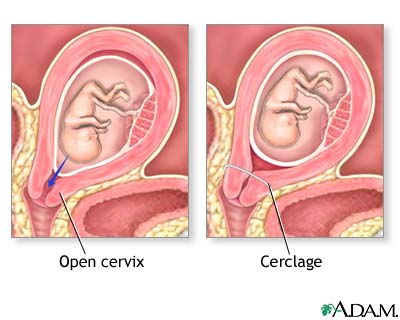
We had a long conversation about what their practice was willing to provide and what they were not. They were willing to provide monitoring prior to 24 weeks of gestation, which simply meant monthly ultrasounds. They were willing to provide a nutrition consult with their dietitian and psychological care with their social worker. But, they were not willing to consider preventative measures, and what I would consider proactive care. Despite the research I held in my hand, they would not acknowledge the efficacy of a cerclage (stitching of the cervix), non-stress testing (contraction monitoring), intensive tocolysis (treatment of contractions to delay labor), or even bed-rest. Instead they encouraged me to continue to take my prenatal vitamin and told me it was fine to exercise up to 30 minutes a day.

This information did not sit well with me, so I reached out to other mothers of quints and they were appalled. They encouraged us to get a second opinion and quickly. I didn’t at that point. I decided that I needed to come to trust my current healthcare practitioners; I did not want to seek care elsewhere knowing: 1) This would mean leaving home and 2) Our insurance would not cover it.

Then, at 18 weeks we sat across the table from another perinatologist from the same practice and a clinical nurse specialist. They informed us that we would most likely lose this pregnancy in the next 3-4 weeks. I asked and begged for them to reconsider a cerclage, and they said it would not help but would actually put me in more danger of losing my pregnancy. They shared that cerclages are only provided to persons with incompetent cervixes, which is a diagnosis typically given to moms only after having a previous miscarriage prior to 24 weeks. He told us not to give up hope but that there was essentially nothing else we could do. He encouraged me to continue to eat right and said I could still exercise up to 30 minutes daily. I asked about bed rest, tocolytic drugs and contraction monitoring and was once again told these treatment options would be of no help. Then, came the moment I realized that care at this clinic was not our only choice. I sought a second opinion.

The second opinion came from a renowned high-risk perinatologist in Arizona, who many other quint mom’s highly recommended and adored. They loved him for a very important reason; he saved their pregnancies. After a 30-minute phone call with this doc, also known as the, “Quad God,” I learned that if I didn’t have a cerclage within the next 3 days, we would, in all likelihood, lose our babies. He had a recipe for success that was incomparable to other docs’ practices due to his extensive experience with high order multiples. He has delivered 101 sets of quadruplets, 15 sets of quintuplets and 2 sets of sextuplets. To put that in perspective, our previous docs had delivered just 1 set of quads, no quints, and no sextuplets. Additionally, the average gestational age of quints delivered under his care is 33 weeks and 1 day… Academic research indicates the total population gestational average is somewhere between 25 and 27 weeks. The “Quad God’s” success was quite simply unheard of.

The next few days flew by as we attempted to plead with our insurance company to cover this care. However, to this day, they continue to deny us because:

  1. The services requested are/were with a non-participating provider.
  2.  The services are/were not medically indicated because they are not appropriate to treat the condition and do not represent the standard of care to treat the condition.
  3.  The utility of prophylactic cerclage is unproven and there is evidence to suggest it may be detrimental and may be associated with an increase in preterm delivery and pregnancy loss.

However, here I sit to write this post at 24 weeks- 6 weeks later- with healthy babies developing within me.

So, many ask why am I still here? I have the cerclage, the pregnancy is stable and insurance continues to not be willing to pay a dime towards our care. Why would I not come back to Madison?

The answer to me is plain and simple:

1. There were no other participating providers in our insurance network besides our  initial maternal and fetal medicine specialists.

We were concerned with the care that was being provided by our previous providers for several reasons, including their unwillingness to consider preventative and proactive measures of care.  Even after the cerclage, they informed me that they would be unwilling to provide intense tocolysis, contraction monitoring and support strict bed rest. I have been receiving these treatments here in AZ since the moment I arrived.

2. Emergent care, via cerclage, strict bed rest, contraction monitoring and tocolysis, were/are all required and medically indicated, in order to, prevent pre-term labor.

There is a body of research, which supports these facets of care during multi-fetal gestation. Additionally, a cerclage is not an “experimental therapy” but again is considered a component of normal perinatal care in a high-order multiples pregnancy.

My current perinatologist has published over 25 peer-reviewed articles on the management of high-order multiples and has delivered 15 sets of quintuplets whom have exceeded the average gestational age by over 5 weeks. The previous specialists have never delivered, or managed, a quintuplet pregnancy and while they are revered clinicians in their areas of research, they have not published on the management of high-order multiple pregnancies.

The peace that I feel in pursuing treatment under this new doctor’s care is overwhelming. For the first time in this pregnancy, I am confident in the care that I am receiving.  I would fear for the well being of my babies if they were subject to the care of the practitioners in Madison. They have not demonstrated that they truly care about our five miracles, nor do they appear willing to proactively fight for a healthy pregnancy.

Unfortunately, these reasons are not convincing to our insurance provider. Therefore, we will continue to appeal and grieve this process with them, as we have since we initiated care outside of network. It is truly unfortunate that we cannot find comparable care within our insurance providers network. Our current doctor even offered to communicate his care plan to our previous docs, so that we could remain in-network, however they have denied all collaboration at this point.

Our biggest concern at this point, outside the healthy delivery of our 5 babies, is the financial livelihood of our family. The medical practitioners we are working with are very cognoscente of our financial situation and have been more than accommodating. But, we know that once I am admitted for closer monitoring and more intense treatment, the bills will begin to accumulate. Then, of course, will come the likely astronomical Neonatal Intensive Care Unit bill for 5 babies.

And so, we are witness to the cost of good healthcare in America. Still, we are simply unwilling to sacrifice our right to choose a qualified practitioner just because an insurance company is holding us financially hostage. We feel as parents-to-be that we now represent our children; we are now responsible for their well being until they are able to take on that responsibility themselves. We will fight, and continue to fight, for our children’s God given right to life, liberty, and the pursuit of happiness.

The Story of Theo and the 4 Princesses

BABY_C2

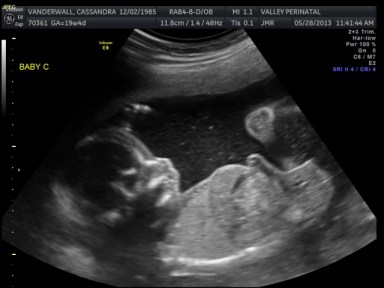
As I lay on the ultrasound table this afternoon I watched the story of Theo and the four princesses unfold.The sonographers took just over 30 minutes on each baby to specifically measure and examine:

  • The spine
  • The heart, including all 4 chambers, the aortic arch and the heart rate
  • The brain and specific parts including the cerebellum
  • Nuchal fold
  • Kidneys and the blood flow through the renal arteries
  • The umbilical cord and placenta
  • Fluid within each placenta
  • Boy and Girl parts
  • Head circumference
  • Facial features (eyes, nose, lips)
  • Both arms with open hands
  • Both legs and feet

As you can see it was truly a marathon of measurements. But, three hours later we now know that we have very healthy babies. Everyone’s organs look great at this point and have great blood flow. All of the nuchal folds were less than 6 mm, which means they are all at a very low risk for genetic disorders, including downs syndrome. Everyone has 10 fingers and 10 toes and the cutest little noses!  Also, all of the babies’ measurements are within normal limits. We have two babies at the 70th percentile, meaning they are measuring bigger than one baby would at this time. The remaining three babies are at the 30th percentile.

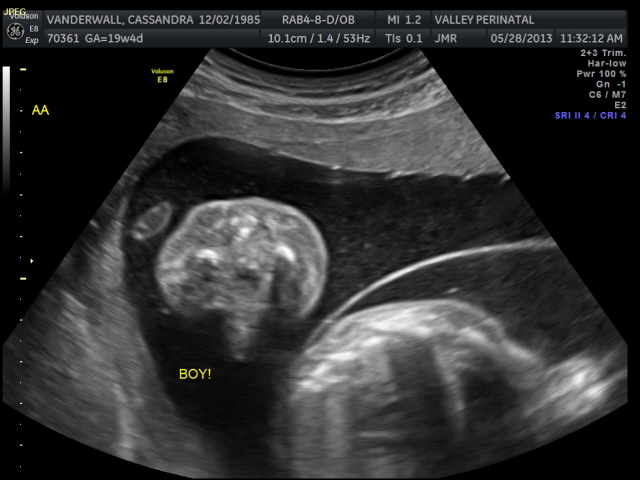
We also got confirmation that we will be having four girls and one little boy. We have decided to name our little guy Theodore Joseph, or Theo for short. He may eventually come to enjoy the name TJ, too!  As for our little ladies, we are still tossing names around but definitely have a few that we like.

I commend all of the sonographers for their work because we certainly have a bunch of wiggle worms. However, everyone did give us a beautiful profile shot and a quick glance at their faces.

Baby D
Baby D
Baby E
Baby E

Even little Theo decided to show us his face, which up until this point he would only reveal his boy parts.

BABY A

The only baby who stayed in the same position was baby E, who is at the very top. She may be quite the diver some day because she assumed the Pike position and didn’t switch. Baby C was tucked in a little ball and was quite the rascal. The rest were rolling about the entire time. I was happy to see everyone moving and grooving.  I wish I could share all of the images from today with you but unfortunately I got a faulty disc. All of the images within this post are from our 19-week ultrasound.

So, all in all we are doing very well! We are quickly approaching 22 weeks this Friday and then it’s just 3 more months to make it to our goal of 34 weeks!

Greetings from Arizona

Superstition Mountain

All is well in Arizona!

21 weeks

Today we celebrate 21 weeks, which may have not been possible without this venture to the desert.

My mom came to visit this week and it has been amazing to have her here. She has cleaned, cooked, and cleaned some more. It will be hard to say goodbye tomorrow, but I just have to remember that it’s really, see you later.

The home where I am staying is truly an oasis with a beautiful view from the patio.  Since there is not much to share in terms of updates, I thought I would share the scenery.

One tall cactus
One tall cactus
Cactus in front of Superstition Mountain

There is a lot more wildlife than I thought there would be. The birds are constantly chirping. I am greeted each morning by a pair of lovely doves. I even found a family of quail- mommy, daddy and several babies.  After meeting those little guys I was happy to see the vulture fly away. There are also the little lizards scampering to and fro and the coyote who takes his walk of shame down the road every morn.  I am truly surrounded by God’s handiwork, which is yet another blessing.

Mr. Morning Dove
Mr. Morning Dove

We will be having our 5-hour, 2nd trimester scan next week- woo hoo! I hear it’s a marathon with snack breaks and all! So, I will definintely have more to share about the V-5 next week. Stay tuned!

The Starting Line-Up

Quints

As many of you may have heard, our starting line is four girls and one boy!

The boy is currently guarding the gate and is located at the very bottom with the four little ladies piled on top.

On Tuesday, I had another ultrasound to assess heart rates and fluid. It also was another opportunity for a photo shoot. It appears that we have some shy gals and guy because each time they went to take a close up on their faces they drew there hands in front of their face. Either that or there was an epic game of peek-a-boo that we were witnessing!

Sir Clahj

Sir ClajSir Clahj, is not a character from Medieval times, but it is rather how you pronounce the surgical procedure, cerclage, which is the “knight in shining armor” who has saved our pregnancy.

It is my understanding that pre-term labor can be caused by a shortening and dilating cervix, as well as, an increase in prostaglandins.

Treatment of pre-term labor varies, but typically includes a cerclage, tocolytic drug therapy and adjunctive bed rest. Some of the drug choices include:

I had my emergent cerclage and Friday and the procedure went very well. They keep you awake during the surgery and use a spinal block, which is quite similar to an epidural. Being paralyzed from the ribs down is one of the weirdest sensations I have ever experienced. You see your legs, can touch them, but you sure can’t use them or feel them. The paralysis typically lasts 2-5h, whereas the procedure is just under 30minutes.

Cerclage

Upon admit my cervical length was 1.2-1.4 centimeters long with no dilation. Today at my post-op follow-up, I found out that the miracle-making surgeon has secured it at 3.0-3.1cm with no dilation. The doctor thought immediately following that the length was just over 2cm and was surprised to also hear that it was at 3cm- high fives were in order.

He also monitored my contractions during the post-op visit to assess if the motrin and bed rest were helping. He likes to keep his patients at less than 4 contractions per hour if they are out of the hospital and I was right at 4. This is much improved from the 6 to 8 contractions per hour that I was having over the weekend. The hard part is I can’t feel the contractions, so I’m of little help in monitoring them on my own.

All in all, I think we are back on track after that detour. Thank you to all for your prayers and support- you are a blessing!

Hope in the Valley of the Sun

4

This past Monday afternoon, Frank and I had our first 2nd trimester cervical screen where they measure the length of your cervix. I approached the appointment with minimal apprehension, assuming all would be well.

Our ultrasound technician surprised us with another peek at our little ones, and all was well. Everyone continues to have strong heart beats and are growing appropriately. They also have nestled into their locations, which makes identifying babies much easier for the trained eye. To me, it just looks like a big slumber party.

After we got to check-in on our little miracles they performed a trans-vaginal ultrasound to examine my cervix. The tech’s tone at this point completely changed. She measured it at least ten times and would not relay any information. Frank and I had no idea what was ahead, but we got a sense when we were walked down the hall to what was clearly a “bad news room” that that is what awaited us.

We just looked at each other as we waited for the doctor to come and see us, trying to figure out what was so wrong. When the doctor arrived he relayed that my cervix was 1.2 to 1.6cm in length, where ideally it would be greater than 3cm at 19 weeks into pregnancy, or at least 2.5cm. He then informed us that pre-term labor was inevitable within the next 3-4 weeks and there was nothing we could do about it.  I inquired about bed rest, medications, inversion and cerclage (the stitching of the cervix); he said there was nothing we could do to help, nothing. Then, the tears started to flow, and flow, and flow for the next 2 days… Until!

Until, I was praying on Wednesday morning asking for clarity and that my mind would quiet so, I could hear His still small voice granting me direction. The thought of simply being a ticking time bomb awaiting an ugly delivery was angering and fearful. Then, I remembered that His perfect love casts out all fear and that I needed to rely on His love which has been with us since day one of this journey. I calmed down and realized that we were not helpless, we definitely still had several choices.

I then hopped on Facebook and extended a question to my other momma’s of multiples and the answer was clear: We needed to switch doctors, get a cerclage and consider moving to Arizona. As scary as all of that may sound to someone who does not enjoy being away from her husband and family, traveling, or being awake during surgical procedures (aka me), I was at complete peace. I picked up the phone and called the best high order perinatalogist in the country.

He continued to build upon this renewed optimism, but also made it clear that time was our enemy and if we were going to save our pregnancy it needed to happen by Friday, or in 2 days. So, one door opened after another and I am now writing this post from a hospital bed in Mesa, Arizona awaiting my cerclage in 3 hours.

My devotional this morning read:

By faith Abrahsunriseam, when called to go to a place he would later receive as his inheritance, obeyed and went, even though he did not know where he was going. By faith he made his home in the promised land like a stranger in a foreign country…11 And by faith even Sarah, who was past childbearing age, was enabled to bear children because she[a] considered him faithful who had made the promise.” (Hebrews 11:8-9, 11)

I am certainly in a place that recognize as an inheritance from God. It is a promised land filled with proactive, compassionate physicians and kind, optimistic nurses. Though I am of childbearing age, I was enabled to bear children only by his grace. This assurance of faith and God’s love has certainly restored our hope here in the Valley of the Sun.

The Elite Eight Plus One

food and supplementsRegistered dietitians stand behind the mantra of “food first;” which means skip the supplements, as long as, you can obtain what you need from what you eat or drink. I have also always practiced and preached this stand point, but now I can no longer obtain enough of certain vitamins and minerals to reach the recommended daily values.

The Institute of Medicine (IOM) publishes dietary reference intakes, or DRI’s, for most vitamins and minerals. This administration individualizes the values based on gender, age, pregnancy and lactation. For example, it is recommended that a 30 year old woman strive for 18 mg of Iron everyday, however if that woman is pregnant she now needs 27 mg. As one can imagine the needs for moms-to-be of multiples are even greater, and while the IOM does not have current recommendations for these individuals, such as myself, the research literature does. I have obtained most of my micronutrient goals from Dr. Barbara Luke‘s and Dr. John Elliott‘s publications, which give specific recommendations for the following vital amines (vitamins) and minerals.

Vitamin B6This water soluble vitamin, like the other B-Vitamins, is critical for the metabolism, or breakdown and use, of protein, fat and carbohydrates. It also helps to form the developing brains and nervous systems of all the growing babies, while also playing a role in the formation of new red blood cells, antibodies to support the immune system, and neurotransmitters, which are those happy hormones such as serotonin, dopamine, and DHEA.

It can be found naturally in chicken, fish, pork, chickpeas, and baked potatoes. The DRI is 1.9 mg, but people can tolerate up to 600 mg without side effects. The literature also supports the use of vitamin B6 to help control morning sickness/nausea with recommendations of 25mg, three times per day along with Vitamin B12. Although, the mechanism of how this works remains unknown, my hypothesis is that it alters pathways in the vomiting center of the brain by increasing serotonin.

Folic Acid (Vitamin B9): This B-vitamin is one of the most popular pregnancy vitamins, partially due to the movement to fortified all refined grains in the United States to insure adequate folate to prevent neural tube defects during pregnancy. Most prenatal vitamins have 400-800 mcg of this vitamin, which is the DRI for a singleton and multiple pregnancy, respectively. Thus, it is evident that folate plays a critical role in the neural development of the babies, but also is required for DNA synthesis and aids in cell division. Also, like vitamin B6 it helps in the formation and maintenance of red blood cells to prevent anemia. Good sources of folate include dark leafy green vegetables, beans and legumes, egg yolk, sunflower seeds and liver.

Vitamin B12: B-12 is another powerhouse for neural and blood development and maintenance. It also helps to regulate DNA synthesis and can be found in every cell of the body. It can be found naturally in animal-based foods (meat, chicken, fish), dairy and eggs, as well as, from fermented teas such as kombucha. The DRI for B12 is 2.6 micrograms. As mentioned previously, Vitamin B12 can also be taken in conjunction with vitamin B6 for morning sickness. The recommended doses vary from 4 mcg per day up to 25 mcg, two times per day.

Vitamin DThis fat-soluble vitamin is unique in that in can be synthesized in our skin with the help of the sun. Unfortunately, for folks in the Midwest there is only adequate sunlight in a small window of the year. Therefore, most are commonly deficient in this vital amine. The DRI for vitamin D is 200 IU, however the human body can make 10,000 IU in about 20 minutes in the sun, which tells us our bodies can handle much more. Some research literature suggests that some women need up to 4,000 IU to obtain adequate serum levels during pregnancy. Vitamin D is not found in very many foods, but can be found in mushrooms, eggs, and fatty fish. It is also added to some foods such as in the case of milk.

Most people know that vitamin D helps to support bone development and maintenance by increasing the absorption of calcium and magnesium from the gut. It also plays a role in preventing cardiovascular disease, multiple sclerosis, and some forms of cancer.

IronIron is commonly supplemented during pregnancy and is the cause of several unwanted side-effects, such as nausea and constipation, but it is important in providing oxygen-rich blood to both mom and babies. Most moms-to-be need more than the DRI (27mg) for iron to maintain adequate amounts. The research that I have reviewed recommends 325 mg of iron daily for moms of multiples.

Iron can be found in red meat, liver, chicken, fish, beans, leafy vegetables and molasses. But, typically a supplement containing Iron sulfate is recommended. I encourage, and take myself, a slow releasing version of iron. SlowFe is a common name brand for this type. I also always take iron with vitamin C to improve absorption, and avoid taking it with calcium-rich foods which tend to inhibit absorption and utilization.

Calcium and MagnesiumThese minerals are the super heroes for building and maintaining mom’s bones while constructing baby’s skeletal structure. The DRI for calcium is 1,000 mg, however the research literature recommends closer to 2,000 mg and the DRI for magnesium is 36o mg but again the literature suggests 1,200 mg per day. In addition to calcium’s bone building role, it also acts as a signaling messenger for some hormones and a co-enzyme, or “right-hand man” in blood clotting. Magnesium also has significant roles in over 300 bodily reactions, including muscle and nerve function, maintaining a steady heart rhythm and regulating blood sugar and blood pressure. There is also a growing body of research on the use of magnesium sulfate to prevent pre-term labor. It is usually administered intravenously (via IV) in boluses of 4 to 6 g over 30 minutes and then maintained at 1 to 3g per hour to achieve serum levels of 5 to 8 mg/dL. This level is considered therapeutic at inhibiting, or stopping, myometrial (middle layer of the uterus) activity a.k.a. contractions. Needless to say, food sources of calcium and magnesium, as well as, supplements are very important for moms of multiples. Calcium is found in high amounts in tofu/soy, green vegetables, sardines, molasses and of course dairy products. Magnesium is found in wheat bran, dark leafy green vegetables, nuts and seeds and beans and legumes.

ZincThis mineral is required for an assortment of processes in the body. It is necessary for the activation of over 100 enzymes, and plays a large role in immune function, protein and DNA synthesis, cell division and wound healing. Therefore, one can see how it helps to support normal growth of the fetus during pregnancy. The DRI for zinc is 11 mg and daily intake is very important because it is not stored in the body. This mineral is another one that researchers believe is required in larger amounts. It is recommended to strive for 45 mg per day when preparing for a multiple birth.

So, those are the elite eight! Or, the eight micronutrients that are touted for playing very crucial roles in the maintenance of mom and growth and development of babies during a multiples pregnancy.

There is one more nutrient, a macronutrient, that recent research has pin-pointed as another key to neural development during pregnancy- DHA. Omega 3 fatty acids have exploded in popularity due to their powerful role in reducing inflammation, or putting out the fire, in the body. This decrease in inflammation can be attributed to two of the omega-3’s found in fatty fish, Docosahexaenoic acid (DHA) and Eicosapentaenoic acid (EPA).  DHA, specifically, is now being added to some prenatal vitamins due to studies noting that DHA can help reduce risks of poor retinal (eye) development and poor cognitive development. The International Society for the Study of Fatty Acids and Lipids currently recommends 300 mg per day of DHA for pregnant and lactating moms.  A new article published in the American Journal of Clinical Nutrition stated that mom’s who took 600 to 900 mg of DHA per day had longer gestations, bigger babies and longitudinal data points to better cognition for the children in their preschool years.

Despite obtaining 150-200% of the DRI for the nutrients listed above, supplements are still a critical part of my daily dietary regimen. If you’re a mom-to-be and have questions, or recommendations, about the information above, please contact me.

Written by: Cassie Vanderwall, MS RD CD CDE CPT

Double Time

It’s double time!  For those bandies and musicians or Tae-bo pros out there, you know this means it’s time to pick up the pace.

During the 2nd trimester, from weeks 15 to 20, babies double in size. So, you can imagine that the nutrient needs of both mom and babies alsoescalate. There are a variety of methods to determine how many calories are ideal during pregnancy. There are estimated energy requirement equations, some just say 300 extra calories and 30 extra grams of protein per day, and others encourage moms to add 500 calories per fetus and 25g protein. I, personally, think it is best to consume the amount of calories that promotes the ideal weight gain per week. For a mom of high order multiples it is 2.0-2.5 lbs. per week.

I was able to gain this at 3,000 Calories per day during the first trimester. This was a true blessing because with the nausea there was no way I was going to get to the original 5,000-calorie estimation. During weeks 13 to present, I have watched this weight gain slow-down, so I know it’s time to bump up the kCals. I really was quite surprised that there were not any meal plan examples- that I could find anyway- on the Internet. My best resource was in Dr. Barbara Luke’s book, “When you’re expecting twins, triplets, or quads.” This is where I derived the information regarding calorie and food group goals. Since there seems to be a gaping whole on the World Wide Web, I thought I’d go ahead and fill it.

Below you will find recommendations for calories, macronutrients (carbs, protein and fat) and suggested food group goals during pregnancy. While this information is targeted at high order multiple pregnancies, it is of course applicable to any pregnancy.

Calories goals may vary from 3,000-5,000 Calories per day, and I recommend watching your average weight gain from week-to-week to be sure you are getting enough. The composition of these Calories is important and different than the recommendations for the average American. Typically, it is recommended to consume a daily diet composed of 50-55% calories from carbohydrate, 15-20% calories from protein and 25-30% calories from fat. However, during pregnancy with super twins it is recommended to consume 40% of calories from carbohydrate, 40% calories from fat and 20% calories from protein. The reduction in calories from carbohydrate, I presume is to decrease one’s risk of gestational diabetes, which is much higher in pregnancies with 3 or more. Per Dr. Luke, this breaks down to the following:

Nutrients

3,000

3,500

4,000

4,500

Protein

 150g

176g

200g

225g

Fat

 133g

155g

178g

200g

Carbohydrate

 300g

350g

400g

450g

Food Groups

Servings per day

Lean Protein

4

5

5

6

Dairy

4

8

10

12

Grains

8

10

12

12

Fat

5

6

7

8

Fruit

7

7

8

8

Vegetables

4

4

5

6

This type of meal plan is quite different than my pre-pregnancy diet, so my typical pattern is a bit different. For example, prior to pregnancy I ate very little dairy and meat/poultry and the majority of my protein came from beans, peas, lentils, whole grains, and fish. It has been easiest for me, and my mild lactose intolerance, to add the lean meats versus 8-10 servings of dairy per day.  Also, before pregnancy I ate a lot of veggies and not so many fruits, so I continue to consume only 2-3 fruits per day and 8-plus servings of vegetables.

As mentioned previously, I have been consuming 3,000-3,500 Calories per day so I decided to share a few meal plans, or as RD’s call them “Typical days” to help make these recommendations real.  There are a few original high calorie, high protein recipes in the meal plans that I will add later. If you’re interested check back because I will be adding a recipe section to my blog. Also, I did not comment on the variety of supplements that I believe are a crucial safety net, so look out for that content coming soon!

Day 1

(3,065 Calories: 316g Carb, 92g Fat, 175g Protein)

Breakfast

  • Breakfast Taco Dip
    • ½ tsp Olive Oil
    • 1 Organic Egg
    • ½ Avocado
    • 4oz 0% Plain Greek Yogurt
    • Lentil Loaf (Recipe coming soon)
    • 2 Hard Shell Tacos, broken into chips
    • Up Your MassBanana Smoothie (Recipe coming soon)

AM Snack

  • Fruit and Yogurt Parfait with Granola
    • ½ cup Fresh berries
    • 1 cup Low-fat Vanilla yogurt
    • ¼ cup Nutty Granola

Lunch

  • Turkey and Avocado Sandwich
    • 2 slices Homemade Whole Wheat Bread
    • 3 oz Oven-roasted Turkey Breast*
    • ½ Avocado
    • 1 cup Fresh Spinach
    • 2 Clementines
    • ½ Cup Baby Carrots

PM Snack

  • Oat and Nuts Cereal
    • 1 ¼ C Oat Cereal
    • 1 C Unsweetened, Organic Soy Milk
    • ¼ C Roasted Pepitas
    • ¼ C Slivered Almonds

Dinner

  • Basil Mac & Cheese (Recipe coming soon)
  • 12 medium shrimp, cooked
  • 1 C Asparagus Spears
  • Skinny Cow Ice Cream Sandwich

Evening snack

  • PowerBarHarvest Peanut Butter Chocolate

Day 2

(2,993 Calories: 319g Carb, 94g Fat, 171g Protein)

Breakfast

  • 4 Up Your MassBanana Nut Pancakes (Recipe coming soon)
  • 1 C Unsweetened, Organic Soy Milk

AM Snack

  • Cinnamon Raisin Bagel with 1oz Cream Cheese
  • 1 C 2% Milk

Lunch

  • 1 Large Baked Potato with Lentil Loaf, melted Cheese stick and 2 Tbsp Salsa
  • 1 C Asparagus spears
  • 1 C Fresh Pineapple

Dinner

  • ¾ C Cooked Quinoa with 1 tsp Olive oil
  • 4oz Organic, Skinless Chicken Breast
  • 1 C Steamed Zucchini Squash
  • Skinny Cow Ice Cream Sandwich


Day 3

(3,710 Calories: 367g Carb, 154g Fat, 176g Protein)

Breakfast

  • Stuffed Baked Potato
    • 1 Large Baked Potato
    • ½ tsp Olive Oil
    • 1 organic Egg and 1 Egg white
    • 1 Melted Cheese stick
    • ¾ C Kidney Beans
    • ¼ C Salsa

AM Snack

  • ¼ C Dried Fruit
  • ½ C Almonds and Pumpkin seeds, mixed
  • 1 C Organic Skim Milk

Lunch

  • ¾ C Pasta with ½ C Meat Tomato Sauce and ¼ C Melted Mozzarella Cheese
  • 1 C Steamed Spinach
  • 1 Banana
  • 2 Tbsp Peanut Butter

PM snack

  • 1 Whole Wheat Pita
  • ½ C Original Hummus

Dinner

  • 5 oz Salmon with ¼ C Avocado Salsa
  • 1 C Wild and Brown Rice
  • 1 C Steamed Broccoli

Evening Snack

  • 1 ½ C Neapolitan Ice Cream**

* I try not to consume deli meat, so this was a baked turkey breast. I do reheat any lunch meat/protein that I bring as a food safety precaution.

** When you want to promote glycemic (blood sugar) control, eating sweets and desserts alone is a no-no. However, if the dessert is consumed within 1 hour of a meal or healthier snack, typically the blood sugar response is more favorable.

Written by: Cassie Vanderwall, MS RD CD CDE CPT
2nd Trimester here we come!

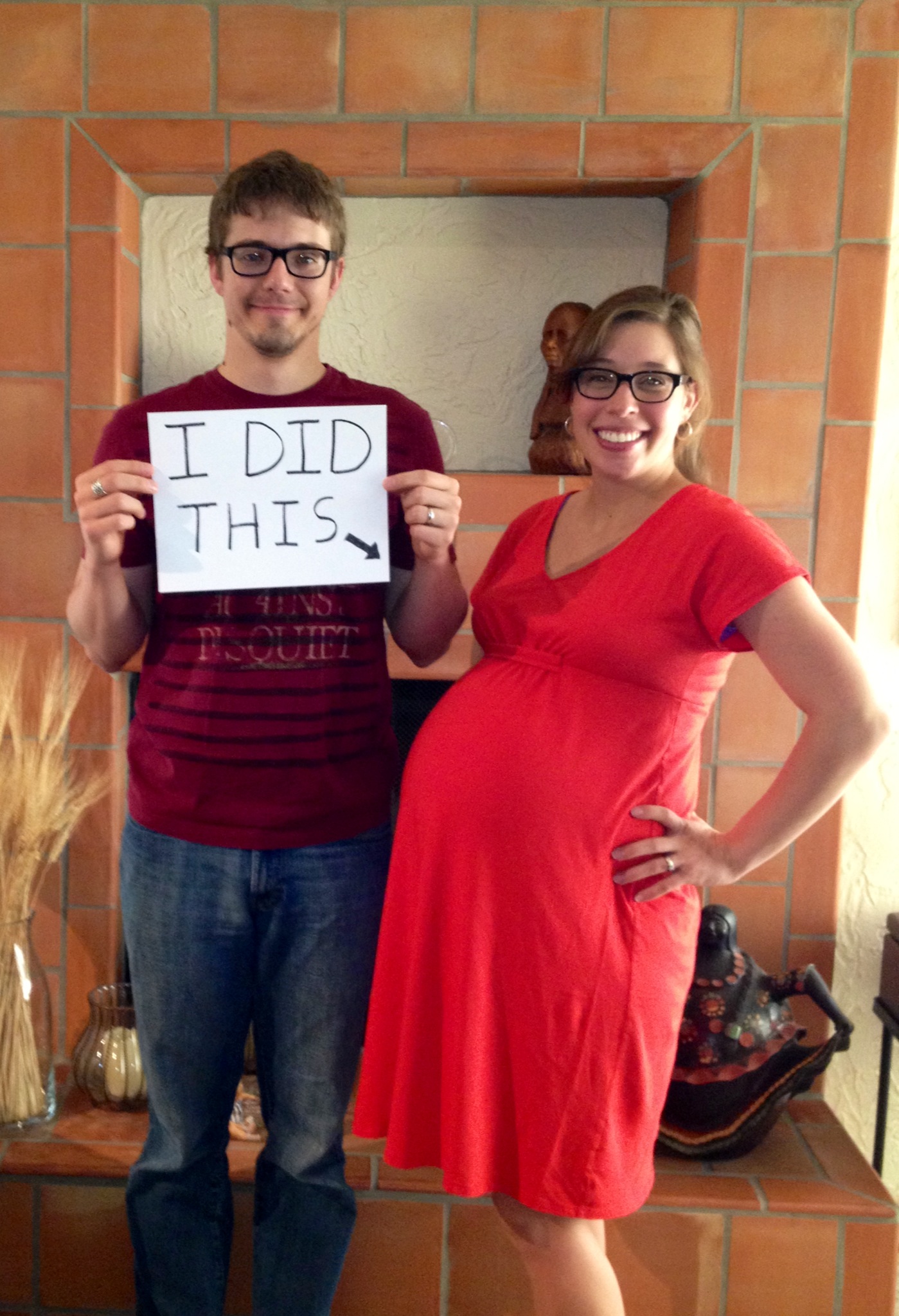
We are all happy, healthy and going strong at 12 weeks and counting! Today we had our 2nd consultation with our perinatologists and this meeting was much more uplifting than the previous. It was a balanced discussion of impending risks, as well as, strategies to promote a healthy gestation. It appears that there is little medical intervention prior to 20-24 weeks. I, however, recognize that there is a lot I can do to help us all get to that 6 month milestone- the viability period.

My personal mission in the next 2-3 months is three-fold:

12 week bump
12 week bump

1) Gain weight. Researchers have published that women who have gained 75% of their total weight by 24-weeks have longer gestation periods. This means I have 40lbs to gain in the next 3 months, so I’m all stocked up on high calorie, high protein recipes and don’t forget my Up Your Mass Powder. I’ll most likely share my meal plan in the next few weeks for other mom’s of high order multiples.

2) Stay active as safely as possible. All that I have read encourages 30-minutes of aerobic exercise daily. I have been practicing this on “good” days  and I have to admit, it definitely is energizing and I even think it helps to combat the nausea a bit. I have also read that hydrotherapy is especially beneficial later on in pregnancy, so I plan on incorporating that as soon as I’m brave enough to buy a maternity bathing suit. I believe the more difficult achievement will be to practice bed rest when it comes time. I have to say I have been better at “taking it easy” than anticipated…I think it helps that I have 5 very important reasons to chill-out.

3) Continue to be a student of my body and our babies. I believe it will be important for me in the later months to be able to monitor and measure contractions, and currently I am not quite sure I know what those feel like. The doctors assure me that I will know them when I feel them. Some literature that I have read said that it is important to keep background contractions at less than 3.5 minutes apart. We’ll see how this all plays out.

Enough about me…on to those babies!

V-5 Family Photo
V-5 Family Photo

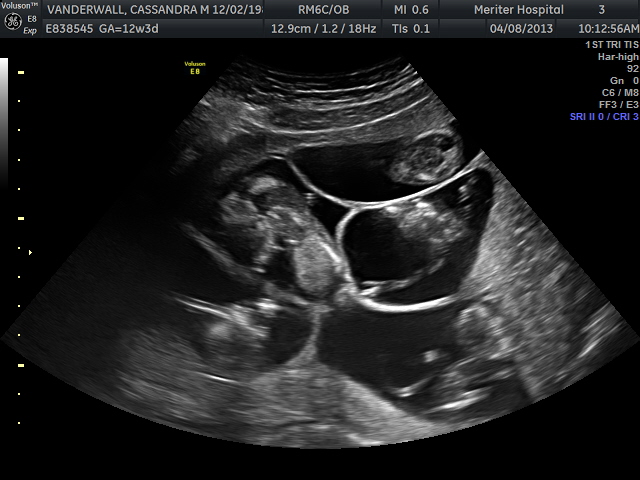
The second part of our visit today was focused on completing the 1st trimester screening which included anatomical assessments, heart rate assessments, nuchal scans, and numerical assignments. Overall, everyone is right on track. They are all just shy of 2.5 inches long, have all 4 limbs and strong heart beats between 150-155bpm. Also, the nuchal scan is an assessment of the thickness of the skin on the back of the baby’s neck. Greater thickness (> 2-3mm) is correlated with an increased incidence of congenital heart defects and Down syndrome. All of our little ones’ nuchal scans were <2 mm! They were also able to number each placenta for good, or so they are hoping. Based on the photo above, number 1 is on the bottom right, number 2 is in the center row on the right, baby 3 is to the left of baby 2, baby 4 is just below baby 3 and to the left of baby 1, and baby five is the cherry on top! All 5 have a distinct location, but have shifted a bit since the last ultrasound to provide themselves more room for growth. The ultrasound technician said that the placement of all of the placentas look great!

Cue “Eye in the Sky” by the Alan Parsons Project (a.k.a. the Chicago Bulls Intro Song)

And now all the way from Madison, Wisconsin, 12-weeks and 2.5 inches long the Vanderwall quintuplets!

When we were introduced to baby 1 at this visit, their little hand was right up to its ear, just like it was chatting on the phone. Our technician said it was probably calling the others to let them know Mom and Dad were watching :O) We deemed this one both our chatterbox and tattletale!

Baby 1
Baby 1

The next stop was to the three arranged in the middle. Starting from right to left: baby 2. It’s difficult to tell from the photo, but this one we think is going to be the tough cookie of the bunch. They had their fists raised just like a boxer and were kicking their legs like crazy. Little did we know, but those little legs were right up against baby 3’s placenta. We think we got to witness an epic battle of footsie!

Baby 2
Baby 2

Moving to the left, the monkey in the middle, baby number 3. This little one couldn’t sit still for a moment. They looked like they were break-dancing with an impressive worm.

Baby 3
Baby 3

On the far left, is baby number 4. Who appeared to be the most mild mannered of the bunch. They were chillaxin’ with their little legs propped up and ankles crossed. They moved a little, but looked quite content watching the others.

Baby 4
Baby 4

Baby number 5 was previously the baby they were most concerned about because they had nestled in near to the opening of the fallopian tube. They also were lagging a bit in growth last time we checked in. But, this time they scooted over a bit and have plenty of room to grow and they are tracking beautifully on growth. They are still the shortest of the bunch, but what they currently lack in length they make up for upstairs. The technician said this one had a beautiful brain! So, we’ve got a shorty with some smarty pants.

Baby 5
Baby 5

And those, folks, are the V-5! The next time we will get to see them is at 20 weeks! That is also when we will be able to assess their genders. So, please keep the prayers and positive thoughts flowing because these kiddo’s and their Mommy and Daddy have their eyes set on 34 weeks!