
At 5 ½ months the quints are starting solids!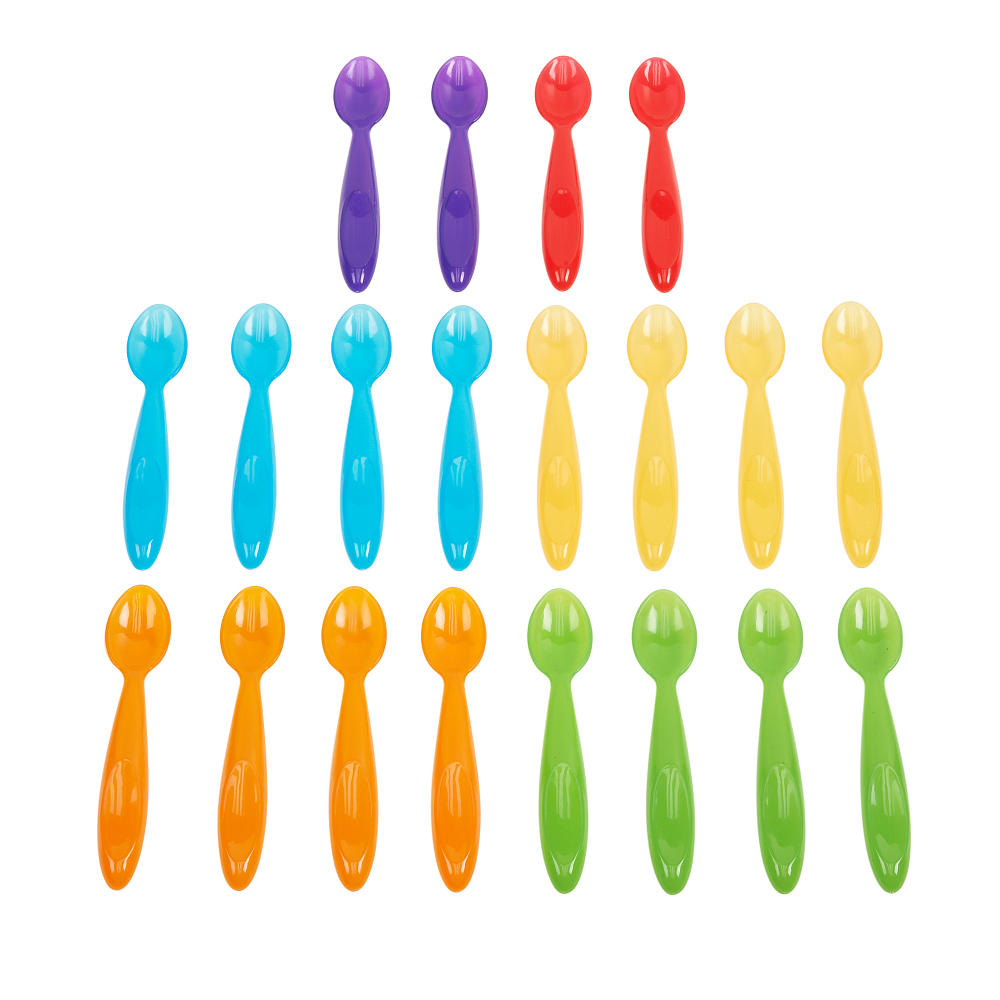
How do you know when to start solids?
There are several signs that a child is ready to start solids:
- At least 4 months old (Check!)
- Significant weight gain.
The quints have definitely doubled their birth weights)
- Theo is now 14½ lbs.,
- Bella is 11lbs,
- Lily is our little one at 10½ lbs.,
- Kali is 12 lbs., and
- Ellie is just shy of 12 lbs.
- Able to make chewing motions and loss of “extrusion reflex.”
The extrusion reflex is when an infant uses their tongue to push solids from their mouth. An infant’s mouth develops in sync with their digestive tract. Therefore, if the little one is able to push food to the back of their mouth with their tongue and simultaneously swallow their gut is ready to accept the food.
- Able to support their own heads with good neck strength.
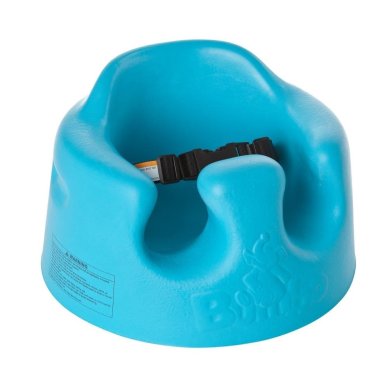

In preparation for solid food we began feeding the kids in their bumbo seats. At first this was a disaster! The bumbo is designed to teach little ones to use their core to sit up, so you can imagine what happens when they are all tensing their abs during mealtime. Spit ups and blowouts galore! But, thank goodness this did not last long. A week’s worth of feedings and they got the hang of it.
I attribute the great gains in their neck and head strength to their time in the bumbo seats. Even big brother, Theo, with his 95th percentile noggin can hold that coconut up proudly!
- Good appetite and often still hungry after their feeding.
This is definitely the case for Theo, Kali and Lily who often are quite upset to be sucking air at the end of their bottles.
- Curious with what Mom and Dad are munching on.
So, needless to say after reviewing the list above, I was confident that the quints were physically ready for solids.
Which foods do you start with?
There is a bit of a debate on which food is best to start with. Currently, there is no strong evidence to support a specific sequence of introduction. Nutritionally, the best foods to start with are those that are highest in iron. This is because around 4-6 months of age a child’s iron stores are becoming depleted. This is especially true for premature infants because their time to accrue these stores was cut-short. Additionally, foods high in zinc and vitamin D are especially important because these nutrients are traditionally low in breast milk.
Traditionally, people start with iron fortified rice cereal. However, from my research this appears to be merely a generational tradition and in fact meat is a much better first food. This article from Dr. Greer, one of the quints’ physicians at the Madison NICU, offers a great explanation! Rice cereal is very easy to digest and has a very low allergy risk, but the iron from the food is not as easily absorbed and this food is high calories and low in nutrition. Plant-based iron (non-heme iron) is not used by the body as easily as that from an animal source (heme iron). Additionally, meat is a great source of zinc. I believe that chicken is a fantastic first food, followed by beef.
The quint’s sequence will be as follows, with a new food every three days: 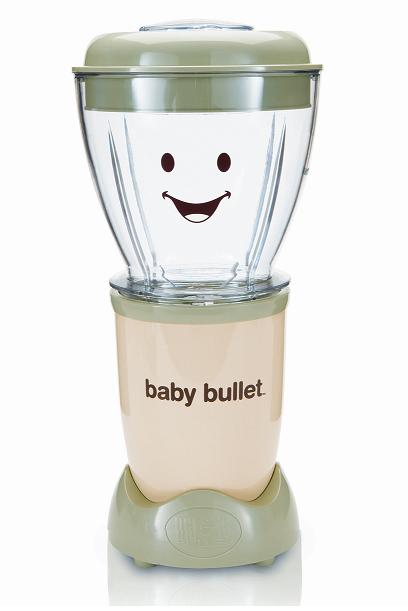
- Chicken
- Butternut Squash
- Beef
- Sweet Potatoes
- Zucchini
- Oatmeal
I chose butternut squash and sweet potatoes because they are fairly high in vitamin C. The body uses vitamin C to help the absorption and use of iron. Zucchini was next as their first dark green vegetable because it is easy to digest and a low allergy risk. Their first grain will be gluten-free oatmeal because it is naturally high in iron and B-vitamins.
This delicious faire will be homemade with an awesome Baby Bullet, courtesy of a fellow quint mom. I puree the vegetables using breast milk and the meats using bone broth. Both are fantastic sources of vitamins and minerals and freeze very well! In just one hour, I had a month’s worth of food for the kiddos.
Let the games begin!
Frank and I thought we would catch this monumental meal on film. This video illustrates why it is important to feed your little one their bottle before trying solids. Can you guess which quints had eaten first?
If you guessed Theo and Lily you were right! They were cool and calm during their trial. Ellie and Bella were quite the opposite and approached meltdown mode. Kali, well, Kali enjoys mealtime in whatever order it is presented.
The other very important reason to offer solids after their milk is because breast milk should remain the primary source of nutrition for infants until at least 1 year of age, and thus you don’t want to ruin a feeding with an unfortunate food trial. I do promise you that Theo, Ellie and Bella all recovered from this feeding experience.
So, at the conclusion of food trial #1, all of the quints tolerated chicken. I would say that Lily, Ellie and Kali even liked it. I believe Bella will come around to liking it, too. As for Mr. Theo…I’m pretty sure he just wants a butter burger and some crinkle cut fries.
 Fuel to Flourish™ - Real Life Resilience