
The V-5 definitely “Enjoy the Taste of Eating Right.” As a registered dietitian nutritionist (RDN) I couldn’t miss the opportunity of featuring my beautiful children during National Nutrition Month®!

Eating well is a pillar in the pursuit of overall wellness, especially if you are/were a premature infant. I attribute my children’s well-being to their healthcare team’s (which includes Mommy & Daddy) dedication to feeding them well from day one.
I have bragged on and on about breast milk in past posts, including Mommy Nutrition and 2 Simple Acts, so the following will feature the best solid foods for infants, or Baby’s Super Foods. These also happen to be super foods for the oldest of children- aka adults. I selected the following foods based on their nutrient density, ease of digestion and preparation and friendliness to the young palate.

Grass-fed Beef & Organic Poultry
Meat and poultry are great first foods due to their iron content. Baby’s stores of iron begin to fade around 6 months so, a food rich in iron is important. Additionally, iron from animal sources (heme-iron) is much easier to absorb and use by the body. Meat also is loaded with B-vitamins and zinc. If you opt for grass-fed over grain-fed cattle, you will also get meat with more healthy omega-3 fats, vitamins A and E, and less of the unhealthy saturated fats, hormones and antibiotics. Organic poultry is ideal for the same reasons; basically more time and attention are directed towards the birds living quarters and nutrition creating a better quality end product.
Lentils may be small but they are mighty. They are loaded with protein, fiber, iron, zinc and a host of B-vitamins. They are also a good source of copper, potassium and molybdenum. These legumes are quick and easy to prepare and generally more tender than other types of dried beans.
This nutritional powerhouse can be made by boiling chicken or beef bones in water and a touch of vinegar. It is a significant source of GAGs, or glycosaminoglycans, chondroitin sulfate, keratan sulfate and hyaluronic acid, which are all “ingredients” for cartilage. Additionally, the red marrow has myeloid stem cells, which supports red blood cell development and the immune system. This broth also is a great source of glycine and proline, which are the building blocks for other amino acids (protein). Glycine and proline are also used by the body to aid digestion, promote healing, and create healthy plasma. Logically, bone broth also provides a good source of minerals found in bone: calcium, phosphorus and magnesium to aid in bone development and maintenance.

This fatty fruit is a good source of fiber, vitamins K, E and C, a few B-vitamins, as well as, potassium, and copper. Avocadoes provide a host of anti-inflammatory phytochemicals (antioxidants from plants) and can help with absorption of other nutrients, like carotenoids (orange, yellow and red phytochemicals). Besides aiding in blood sugar regulation and heart health, they also make a great beauty product.
This orange, winter squash may require some extra prep work but the sweet flavor and benefits are well worth it. Although squash are a starchy vegetable, their carbohydrate is much different than a potato; it has anti-oxidant and anti-inflammatory properties. The orange color gives away that it is a great source of vitamin A, but it is also loaded with vitamins C, B6 and several minerals.
This hardy cereal is a great first food for infants. My vote goes to oats over rice for an infant cereal because it is rich in iron, zinc, phosphorus, fiber and protein, as well as, several other vitamins and minerals. It also comes without the worry of arsenic toxicity.
Why gluten-free? Well, gluten is a very inflammatory agent that is found in wheat, rye, barley and some oats and can be difficult to digest. Often times, traditional oats can also be “contaminated” with wheat due to shared processing equipment. I feel it is best for babies to be wheat-free until their first birthdays when they dive into that cake! Overall, I opt for gluten-free because it is much nicer to the kiddos’ digestive tract.
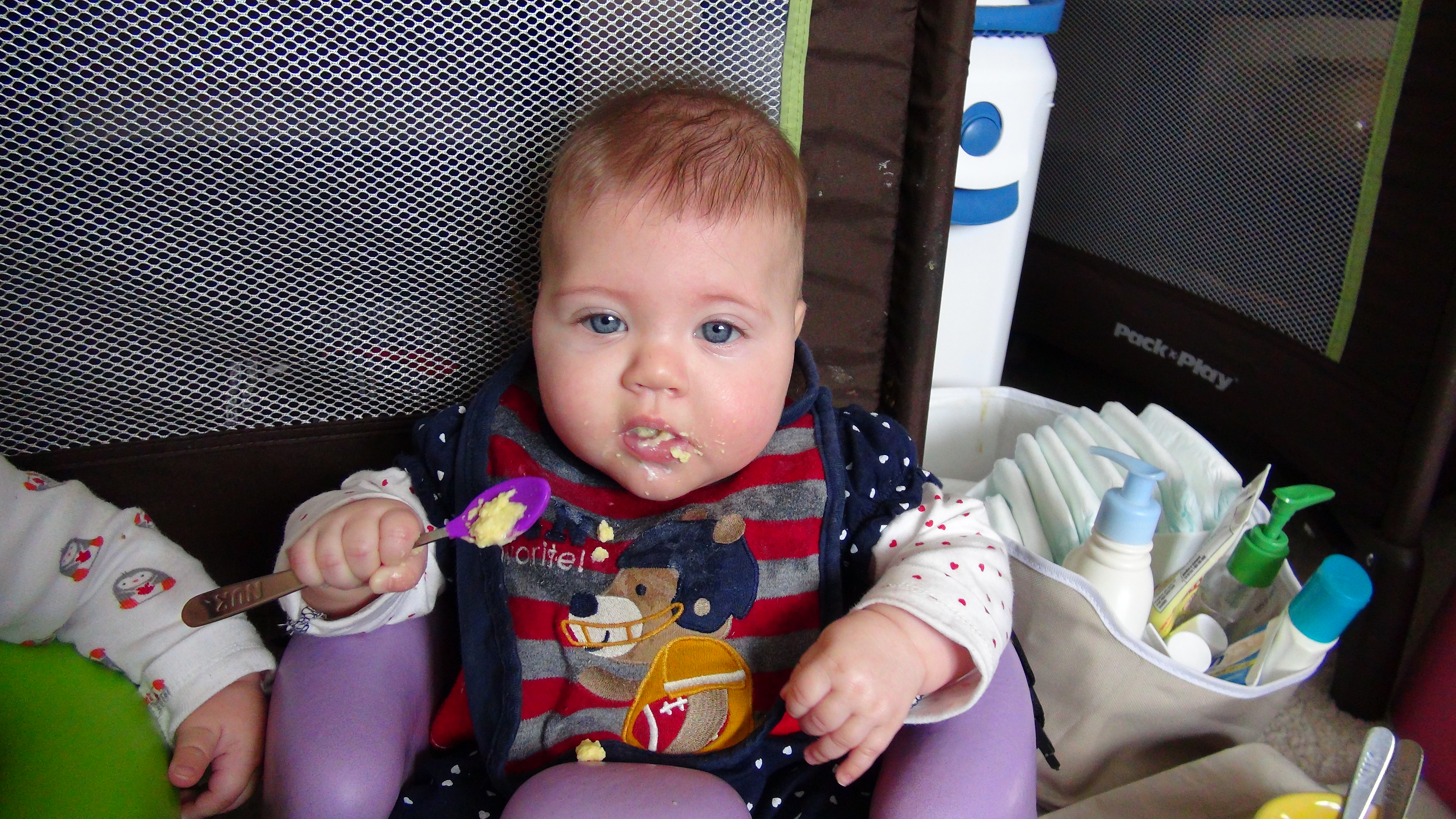
I had to include at least one common fruit. Bananas are a great first fruit because they are a good source of vitamins C, B6, B2 and of course, potassium. They also provide bone-building minerals, including magnesium, calcium and phosphorus. Besides the benefit of being very convenient to prepare, they are also known as nature’s antacid because they contain a substance that can help the stomach and intestines produce the mucus lining.
Another bonus of the foods mentioned above is that when they are pureed they contain at least 20 calories per Tablespoon, which is equivalent to the average amount of calories in one-ounce of breast milk. When you have picky bottle-feeders who love solids this can be a huge lifesaver!

Whether these foods are old favorites or perhaps news ones to try, I encourage children of all ages to serve up these super foods and “Enjoy the Taste of Eating Right!”


 Fuel to Flourish™ - Real Life Resilience