
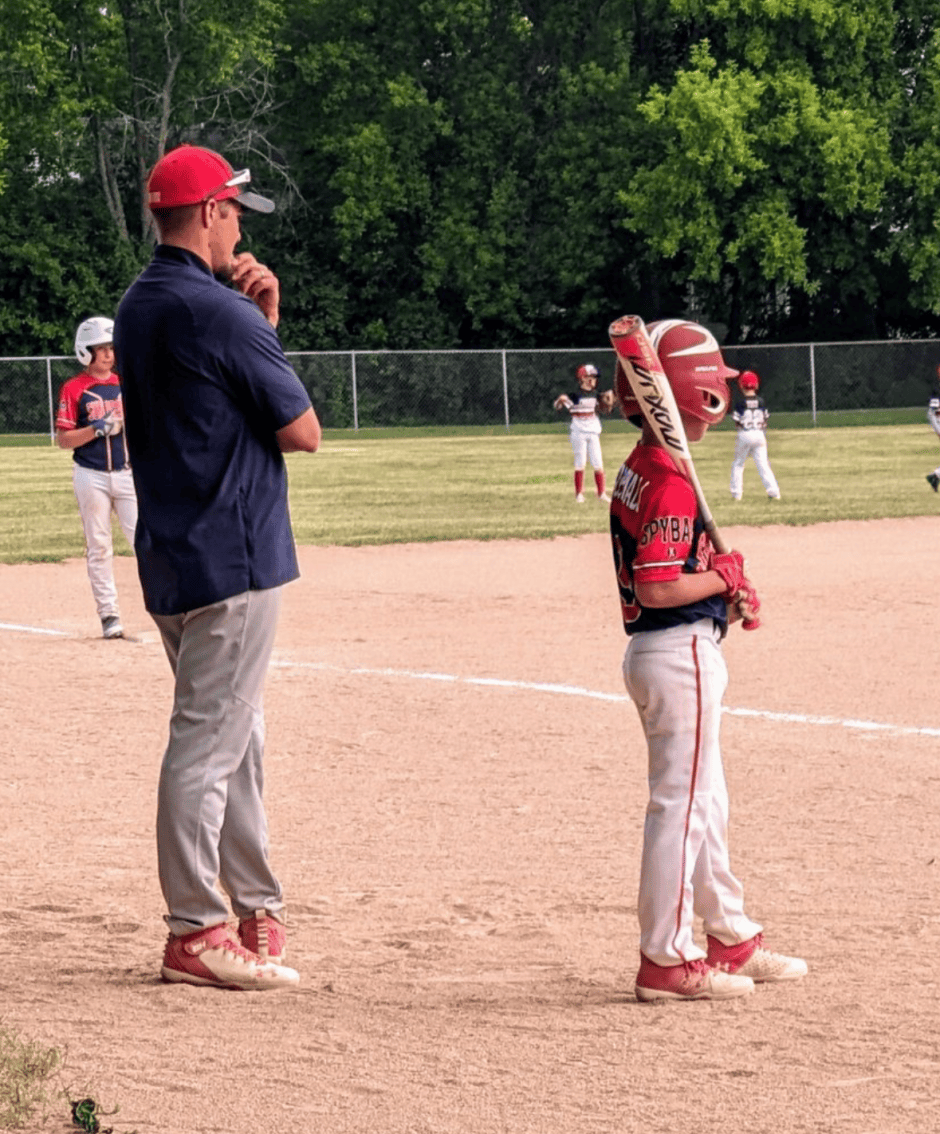
There’s a moment right before every season when the whole house shifts. The calendar fills up, the gear comes out of the closet, and the car starts to smell a little like a locker room. In our house, our kids spend long hours throughout the year on the field or in the gym, and I can feel these shifts coming weeks ahead.
As a registered dietitian, I could talk about fueling our family all day. If you’re looking for the food side of season prep, my earlier post, Feeding the Growing Athlete, covers fueling for busy practice weeks. Today, let’s focus on the heart. I want to talk about something that shapes every practice, game, and meet just as much: how we show up for our athletes as caregivers. That’s where the CALM framework comes in. I introduced the CALM parenting framework in Baby(ies) to Big Kids, and we use it at home, in the car, and on the sidelines.
Stay Curious
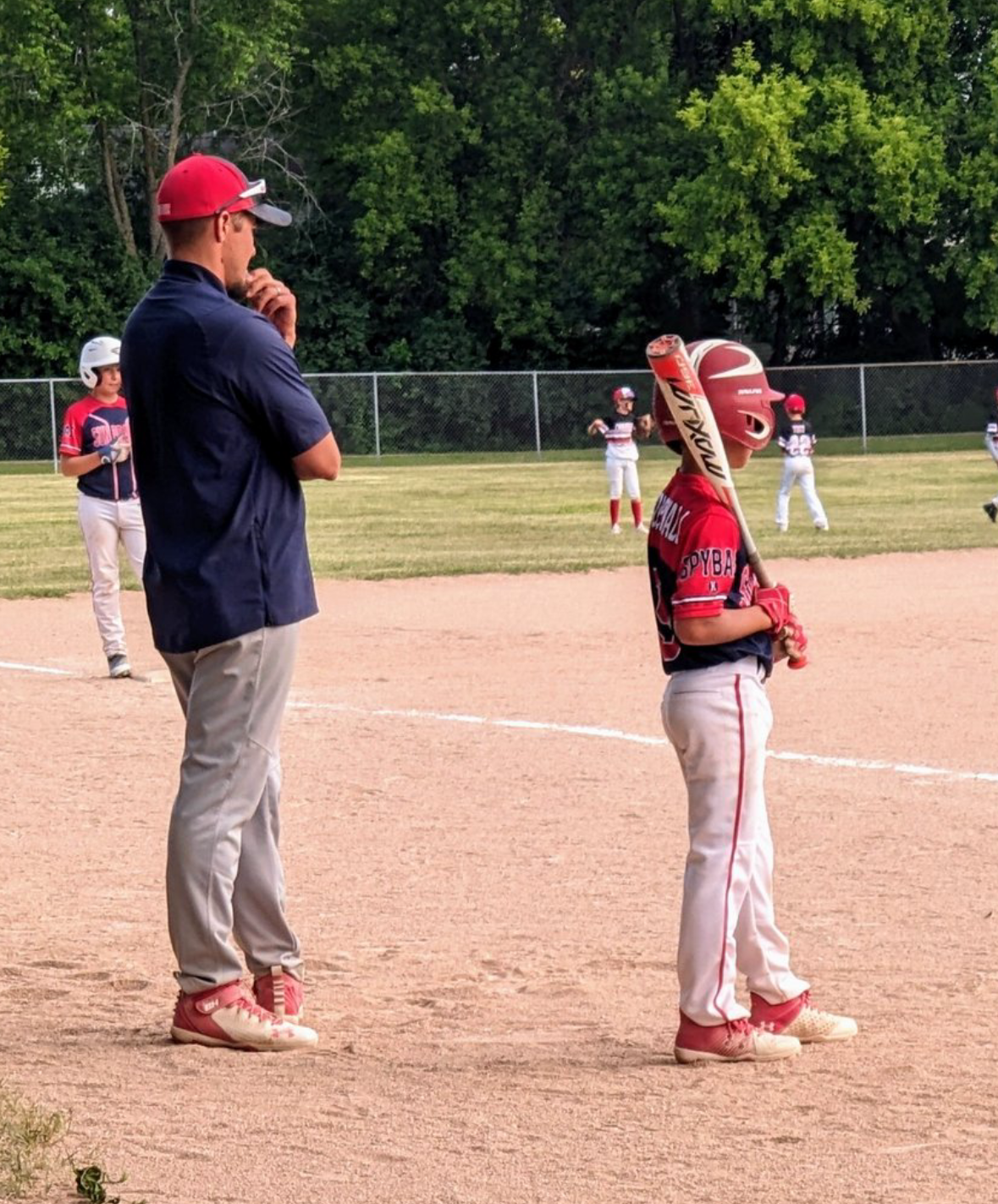
Parents often toe the line of a coach. Those lines blur when caregivers coach their own kids, and some of you do, with a whistle around your neck and a clipboard in the car. But most of the time, we have a different role. Our athletes already have someone telling them what to fix. What they need from us is someone who wants to understand them.
Curiosity builds trust, and trust keeps the door open. When the car door closes after a game, it’s tempting to start with instruction (“You needed to follow through on that swing”) or assumption (“You must be so frustrated”). Instead, try leading with a question:
- “How did that play feel for you?”
- “What did you notice out there today?”
- “Which play or event are you most proud of?”
- “Is there anything you want to talk about, or do you want quiet for a bit?”
That last one matters. Sometimes curiosity looks like giving space and trusting they’ll come back when they’re ready. When we ask first, we learn what our kids actually experienced, which is often different from what we saw from the bleachers.
I definitely continue to stumble through this principle, especially letting my assumptions infuse my questions. I’m lucky to get a quick reminder when I do, because my kiddos speak up and usually ask, “Why would you think that?” This honest feedback helps me explain my perspective and quickly course correct to staying curious a little longer.
Remember, we’re not aiming for perfection; we’re all works in progress.
Anchor in Routine
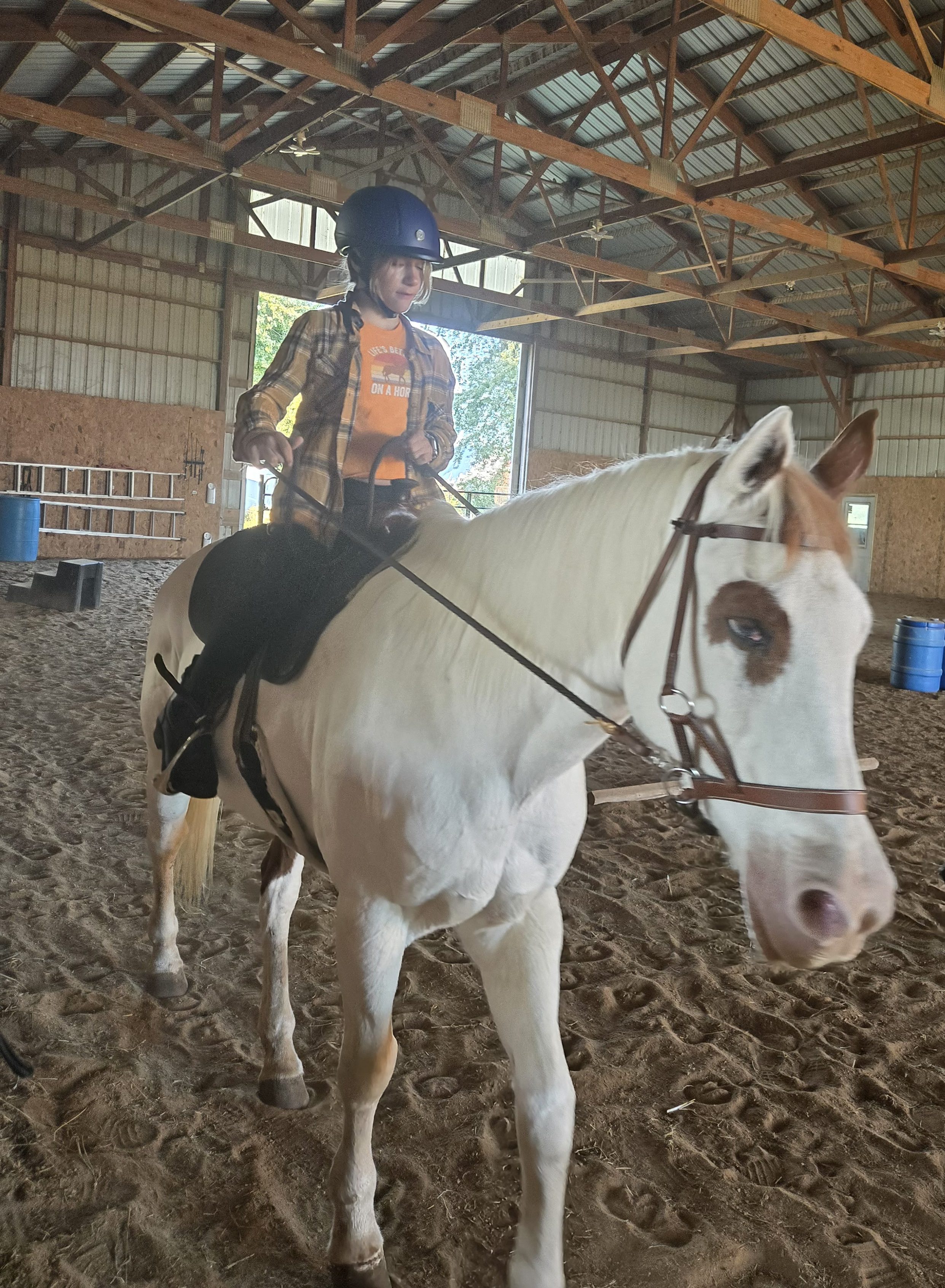
Map the season before the season maps you. When the schedule runs us, everyone feels it: short tempers, rushed dinners, forgotten water bottles, and late nights that bleed into hard mornings. Routines don’t take the fun out of a season. They give kids a steady place to land.
Before the first practice, sit down together and look at the whole season:
- Put every practice, game, meet, and travel weekend on one family calendar.
- Mark the pinch points, like late practices, early mornings, and back-to-back days.
- Decide ahead of time which nights are simple-dinner nights and which ones will need fast food to pinch-hit.
- Build a night-before routine: bag packed, uniform or leo ready, water bottle filled, snack in the bag. If it’s the night before a game, it’s often helpful to talk through the pre-game meal since many young athletes already know which foods sit well before they compete.
- Protect a wind-down routine on late nights so sleep still happens. We love incorporating visualization into these routines to help our athletes walk through their points of worry and start to paint the picture of how they define success.
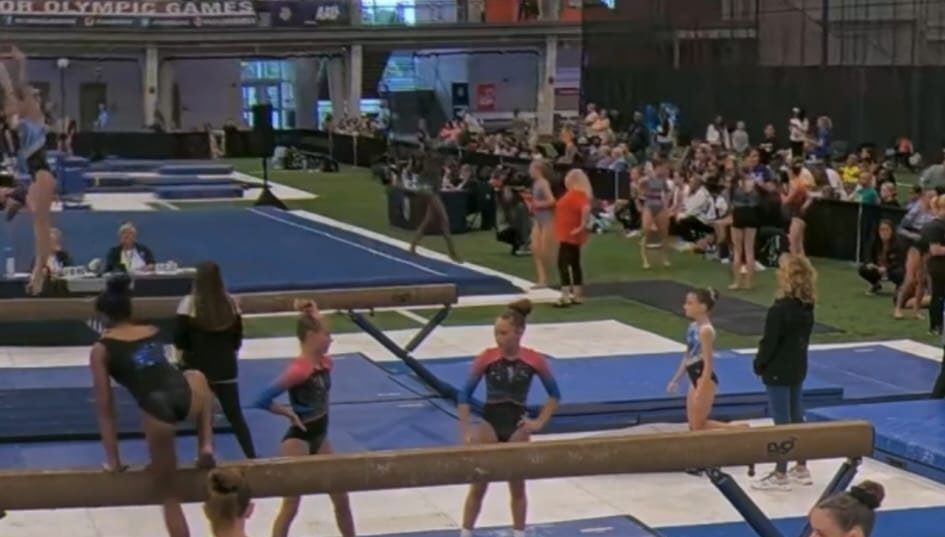
Let kids own pieces of the routine based on their age. Teens can pack their own bags and check the calendar themselves. That ownership builds confidence that carries onto the field, the court, and the mat.
Routine also gives you predictable moments to connect. The drive home, the post-practice snack, and the bedtime check-in become anchors your athlete can count on, win or lose.
Lead with Language
Sports bring out big feelings fast. In a single inning, a kid can feel pride, guilt, shame, embarrassment, and anger. When kids don’t have words for those feelings, they tend to come out sideways: slammed doors, tears on the field or in the car, or going quiet for the rest of the night.
We can help by giving them language. Naming a feeling makes it easier to understand and easier to move through. Here are a few that show up often in sports:
- Pride: “I worked hard for that, and it showed.”
- Guilt: “I feel bad because I think I let my team down.”
- Shame: “I feel like I’m not good enough.” This one needs extra gentleness, because it’s about who they are, not what they did.
- Embarrassment: “I didn’t want everyone to see me mess up.”
- Anger: “That call felt unfair, and I’m mad about it.”
Growth mindset tips for naming feelings in a healthy way:
- Separate the feeling from the person. “I made a mistake” is different from “I am a mistake.”
- Add the word “yet.” “I can’t stick that skill yet” leaves room for growth.
- Normalize the feeling. Big feelings mean they care, and caring is a good thing.
- Ask what the feeling is telling them. Frustration might mean “I want to get better at this.”
- Pair the feeling with a next step. “I’m disappointed, and tomorrow I’ll ask my coach what to work on.”
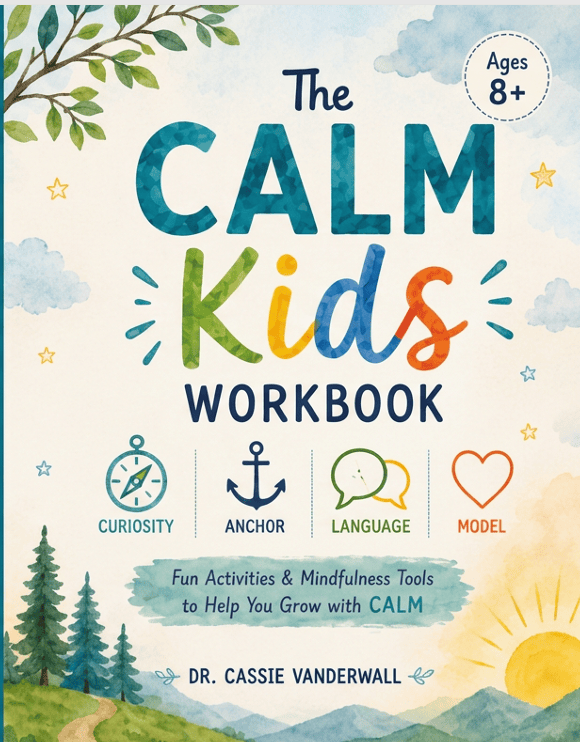
The CALM Kids Workbook gives kids their own tools to name and work through big feelings from sports, school and home.
In our family, we navigate mental health challenges and neurodiversity. These challenges don’t remove the need for a growth mindset. They often amplify it, because it’s easy to fall into a fixed mindset or even a victim mentality. We see these differences as a call to be a bit more considerate because words matter a lot, especially in a family of teens where minds can be really sticky and have a propensity to latch on to harsh words and criticism. To prevent these narratives from turning into game film that they’ll run over and over in their mind’s eye, we do our best to lead with language and communicate directly so no one is left guessing.
Model Emotional Regulation
This one is for us. It’s easy to get heated at a ref, an umpire, a coach, or another player. We love our kids, and passion runs high in the stands. But our athletes are watching how we handle big moments, and they learn more from what we do than from what we say.
Modeling emotional regulation doesn’t mean we stop caring or sit silently on the sidelines. It means we show our kids how to feel a big feeling, filter it, and respond in a way that’s still appropriate. We can stay passionate and still stay kind.
- Notice it: “I’m feeling really frustrated with that call.”
- Pause: take a breath, stand up, or walk a few steps before reacting.
- Filter it: ask yourself whether what you’re about to say helps your athlete or the team.
- Choose your response: cheer for effort, clap for both teams, and save concerns for the right time and the right person.
- Repair when needed: if you lose your cool, own it later. “I got too heated today, and I’m sorry. Here’s what I’ll try next time.”
That repair might be the most powerful lesson of all. It shows our kids that everyone has big feelings, and that we can make it right when we get it wrong. The CALM Parenting Workbook walks caregivers through these moments with practical tools you can use at home and in the stands.
Bringing It All Together
A strong season isn’t only about the scoreboard. It’s about kids who feel understood, supported, and steady, no matter how the game goes. When we stay curious, anchor in routine, lead with language, and model emotional regulation, we give our athletes something that lasts far longer than one season.
Here’s to a season full of growth, grit, and grace.
Ready to bring CALM home this season? Find Baby(ies) to Big Kids, The CALM Parenting Workbook, and The CALM Kids Workbook at https://bump2babies.blog/the-books/.

